
 EN
EN
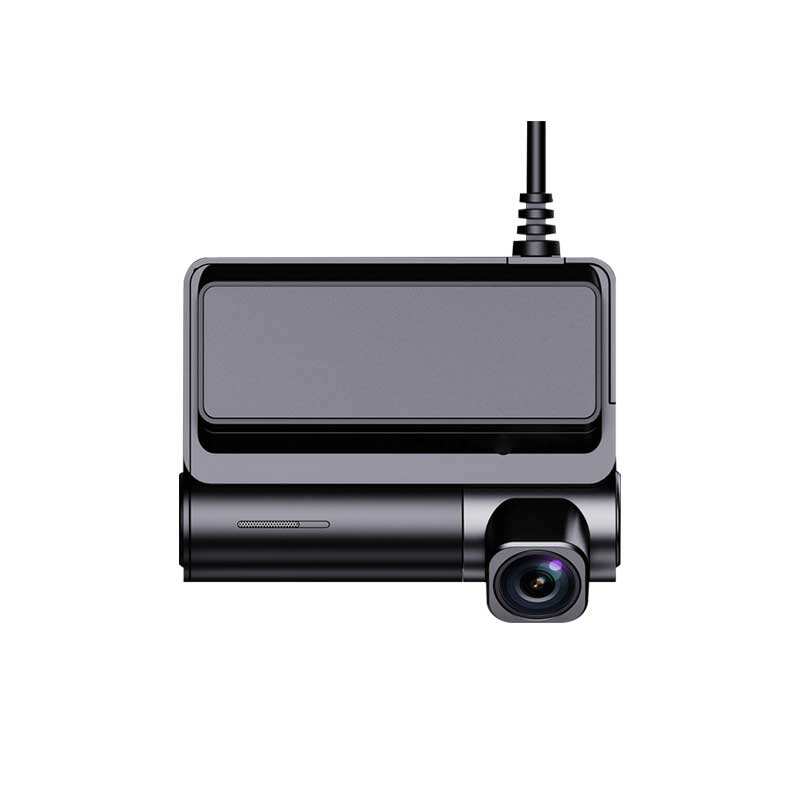
Fleet management has evolved dramatically in recent years, with technology playing a pivotal role in ensuring operational efficiency, safety, and compliance. Among the most transformative tools available today is the 4G LTE dash cam, which has revolutionized how fleet operators monitor their vehicles and maintain oversight of remote operations. This advanced surveillance technology provides real-time connectivity, allowing fleet managers to access critical video footage, track driver behavior, and respond to incidents immediately regardless of their physical location.
The integration of cellular connectivity into dashboard cameras represents a significant leap forward from traditional recording devices that required manual data retrieval. Modern fleet operations demand instant access to information, and the 4G LTE dash cam delivers this capability through seamless cloud connectivity and remote monitoring features. This technology enables fleet managers to maintain comprehensive oversight of their entire vehicle fleet without being physically present at each location.
The importance of real-time monitoring in fleet operations cannot be overstated, particularly when considering factors such as driver safety, cargo security, fuel efficiency, and regulatory compliance. A 4G LTE dash cam system provides the foundation for data-driven decision making, allowing fleet operators to identify patterns, address issues proactively, and optimize their operations for maximum productivity and safety.
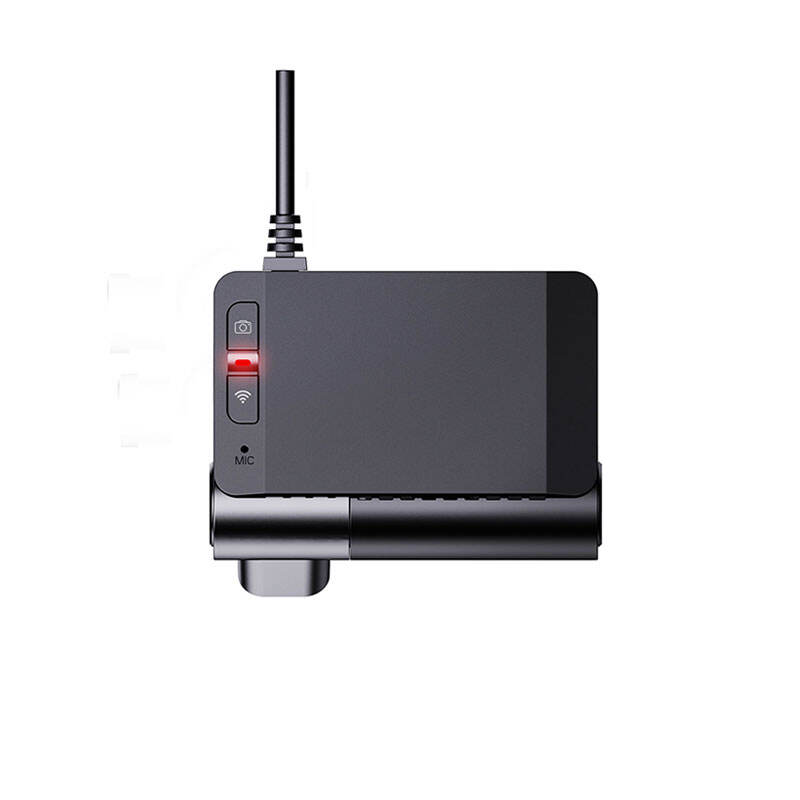
Real-Time Connectivity and Remote Monitoring Capabilities
Instant Video Streaming and Live Monitoring
The primary advantage of a 4G LTE dash cam lies in its ability to provide live video streaming directly to fleet management systems. Unlike traditional dash cameras that store footage locally, these connected devices transmit video data in real-time through cellular networks, enabling fleet managers to monitor driver behavior and road conditions as events unfold. This immediate access to visual information proves invaluable during critical situations such as accidents, theft attempts, or emergency responses.
Fleet operators can establish monitoring protocols that allow designated personnel to access live feeds from any vehicle in their fleet at any time. This capability extends beyond simple surveillance, providing opportunities for coaching drivers, verifying delivery locations, and ensuring compliance with safety protocols. The real-time nature of this technology means that intervention can occur immediately when necessary, potentially preventing accidents or mitigating the severity of incidents.
Cloud Storage and Remote Data Access
Modern 4G LTE dash cam systems automatically upload recorded footage to secure cloud storage platforms, ensuring that critical evidence is preserved even if the physical device is damaged or compromised. This cloud-based approach eliminates the need for manual data retrieval and provides fleet managers with 24/7 access to historical footage from any internet-connected device. The remote access capability is particularly valuable for large fleets operating across multiple geographic regions.
Cloud storage also enables advanced analytics and reporting features that can identify trends in driver behavior, route efficiency, and vehicle performance. Fleet managers can generate comprehensive reports based on accumulated data, helping them make informed decisions about training programs, route optimization, and vehicle maintenance schedules. The scalability of cloud storage ensures that growing fleets can accommodate increasing data volumes without infrastructure limitations.
Enhanced Driver Safety and Behavior Monitoring
Real-Time Driver Coaching and Intervention
The implementation of a 4G LTE dash cam system enables proactive driver coaching through real-time monitoring and immediate feedback mechanisms. Fleet managers can observe driving patterns as they occur, identifying unsafe behaviors such as harsh braking, rapid acceleration, or distracted driving. When concerning behaviors are detected, managers can communicate directly with drivers through integrated communication systems, providing immediate guidance and preventing potential accidents.
This real-time intervention capability extends beyond basic safety monitoring to include coaching opportunities that improve overall fleet performance. Experienced fleet managers can guide new drivers through challenging routes, provide navigation assistance during adverse weather conditions, and offer support during emergency situations. The ability to maintain constant communication and visual oversight creates a safer working environment for drivers while reducing liability exposure for fleet operators.
Automated Safety Alerts and Incident Detection
Advanced 4G LTE dash cam systems incorporate intelligent detection algorithms that automatically identify potentially dangerous situations and generate immediate alerts. These systems can detect events such as sudden impacts, vehicle rollovers, harsh cornering, or unauthorized vehicle movement outside scheduled operating hours. When such events are detected, the system immediately notifies fleet managers and transmits relevant video footage for review.
Automated incident detection significantly reduces response times during emergencies, enabling fleet operators to dispatch assistance, notify emergency services, or implement contingency plans without delay. This rapid response capability can be life-saving in serious accidents and helps minimize damage during theft or vandalism attempts. The integration of GPS tracking with incident detection provides precise location information, further enhancing emergency response effectiveness.
Operational Efficiency and Cost Management
Route Optimization and Fuel Efficiency Monitoring
Fleet operations benefit significantly from the comprehensive data collection capabilities of 4G LTE dash cam systems, particularly in areas of route optimization and fuel efficiency monitoring. By analyzing driving patterns, traffic conditions, and route selections, fleet managers can identify opportunities to reduce fuel consumption and improve delivery times. The real-time data transmission enables dynamic route adjustments based on current traffic conditions or unexpected delays.
Fuel efficiency monitoring through connected dash cameras helps identify drivers who consistently achieve better mileage and those who may benefit from additional training. This data-driven approach to fleet management enables operators to implement targeted improvement programs that can result in substantial cost savings over time. The ability to monitor idle time, speed variations, and route deviations provides actionable insights for optimizing overall fleet performance.
Maintenance Scheduling and Vehicle Health Monitoring
Modern 4G LTE dash cam systems often integrate with vehicle diagnostic systems, providing fleet managers with real-time information about vehicle health and maintenance requirements. This integration enables predictive maintenance scheduling based on actual vehicle usage and performance data rather than arbitrary time intervals. Early detection of mechanical issues through connected monitoring can prevent costly breakdowns and reduce vehicle downtime.
The comprehensive data collection capabilities of these systems extend to monitoring driver habits that may impact vehicle longevity, such as engine idling, harsh acceleration patterns, or excessive speeding. Fleet managers can use this information to implement driver training programs focused on vehicle preservation, ultimately extending vehicle life cycles and reducing replacement costs. The ability to track maintenance-related driving behaviors in real-time enables immediate corrections that prevent long-term damage.
Legal Protection and Insurance Benefits
Evidence Collection and Liability Protection
The legal protection afforded by a 4G LTE dash cam system represents one of the most valuable benefits for fleet operators, particularly in today's litigious environment. High-quality video footage with GPS coordinates and timestamps provides irrefutable evidence in accident investigations, insurance claims, and legal proceedings. The real-time transmission capability ensures that critical evidence is preserved immediately, even in cases where vehicles are severely damaged or stolen.
Fleet operators frequently face false claims related to accidents, cargo damage, or driver misconduct, and video evidence from connected dash cameras provides powerful protection against fraudulent allegations. The ability to access and share footage immediately through cloud-based systems enables rapid response to legal challenges and can often result in quick case resolutions that minimize legal costs and time investments.
Insurance Premium Reductions and Risk Management
Many insurance providers offer significant premium reductions for fleets equipped with 4G LTE dash cam systems, recognizing the risk mitigation benefits these technologies provide. The comprehensive monitoring and incident prevention capabilities of connected camera systems demonstrate a commitment to safety that insurance companies reward through reduced rates and improved coverage terms. The long-term cost savings from insurance reductions often offset the initial investment in camera technology.
Risk management benefits extend beyond insurance cost reductions to include improved safety ratings, reduced accident frequencies, and enhanced driver accountability. Fleet operators who implement comprehensive monitoring systems typically experience measurable improvements in safety metrics, leading to further insurance benefits and reduced operational risks. The data-driven approach to risk management enabled by 4G LTE dash cam systems provides fleet operators with powerful tools for continuous improvement.
Integration with Fleet Management Systems
Comprehensive Fleet Tracking and Coordination
The integration of 4G LTE dash cam technology with existing fleet management systems creates a comprehensive monitoring and coordination platform that enhances operational efficiency across all aspects of fleet operations. This integration enables fleet managers to correlate video footage with GPS tracking data, driver logs, fuel consumption records, and maintenance schedules, providing a complete picture of fleet performance and identifying optimization opportunities.
Coordinated fleet management through integrated systems enables more effective resource allocation, improved customer service, and enhanced operational visibility. Fleet managers can monitor multiple data streams simultaneously, making informed decisions based on comprehensive information rather than isolated data points. The real-time nature of 4G LTE dash cam data ensures that integration benefits are realized immediately rather than requiring delayed data processing.
Scalability and Future Technology Integration
Modern fleet operations require technology solutions that can scale effectively as businesses grow and evolve. 4G LTE dash cam systems provide the foundation for future technology integrations, including artificial intelligence analytics, predictive modeling, and autonomous vehicle preparation. The cellular connectivity infrastructure established by these systems supports additional monitoring devices and sensors that may be implemented as technology advances.
Scalability considerations include the ability to add vehicles to monitoring systems without infrastructure modifications, integrate new software applications as they become available, and adapt to changing regulatory requirements through system updates. The flexibility of cloud-based 4G LTE dash cam systems ensures that fleet operators can leverage technological advances without replacing entire monitoring infrastructures, protecting their technology investments over time.
FAQ
What are the main advantages of 4G LTE connectivity in dash cameras compared to WiFi-only models
4G LTE dash cam systems provide continuous connectivity regardless of location, unlike WiFi-only models that require proximity to wireless networks for data transmission. This cellular connectivity enables real-time monitoring, immediate incident alerts, and continuous cloud storage uploads even in remote areas where WiFi access is unavailable. LTE connectivity also ensures consistent data transmission speeds and reliability that WiFi networks may not provide, particularly important for high-quality video streaming and large file uploads.
How does a 4G LTE dash cam system impact fleet insurance costs and claims processing
Fleet operators typically experience significant insurance cost reductions when implementing 4G LTE dash cam systems, with many insurers offering discounts ranging from 10-25% on premiums. The real-time evidence collection and incident documentation capabilities of these systems expedite claims processing and often result in faster settlements. Insurance companies recognize that fleets with comprehensive monitoring systems have lower accident rates and reduced fraud exposure, leading to improved coverage terms and reduced deductibles in many cases.
What data storage and privacy considerations should fleet operators understand before implementing 4G LTE dash cameras
Fleet operators should ensure their 4G LTE dash cam systems comply with local privacy laws and establish clear policies regarding data access and retention. Most professional-grade systems offer encrypted data transmission and secure cloud storage with access controls that limit who can view footage and under what circumstances. Operators should consider data retention periods, geographic storage requirements, and employee privacy rights when developing implementation policies. Many systems allow configuration options that balance operational oversight needs with privacy considerations through selective recording triggers and access permissions.
How do 4G LTE dash cam systems perform in areas with poor cellular coverage or during network outages
Quality 4G LTE dash cam systems include local storage capabilities that continue recording even when cellular connectivity is temporarily unavailable, automatically uploading stored footage when connection is restored. Many systems support multiple cellular carriers and can switch between networks automatically to maintain optimal connectivity. Advanced systems also include GPS tracking capabilities that continue functioning during network outages, ensuring location data is preserved even when real-time transmission is interrupted. Buffer storage and automatic retry mechanisms ensure that critical footage is not lost during temporary connectivity issues.
Table of Contents
- Real-Time Connectivity and Remote Monitoring Capabilities
- Enhanced Driver Safety and Behavior Monitoring
- Operational Efficiency and Cost Management
- Legal Protection and Insurance Benefits
- Integration with Fleet Management Systems
-
FAQ
- What are the main advantages of 4G LTE connectivity in dash cameras compared to WiFi-only models
- How does a 4G LTE dash cam system impact fleet insurance costs and claims processing
- What data storage and privacy considerations should fleet operators understand before implementing 4G LTE dash cameras
- How do 4G LTE dash cam systems perform in areas with poor cellular coverage or during network outages

