
 EN
EN
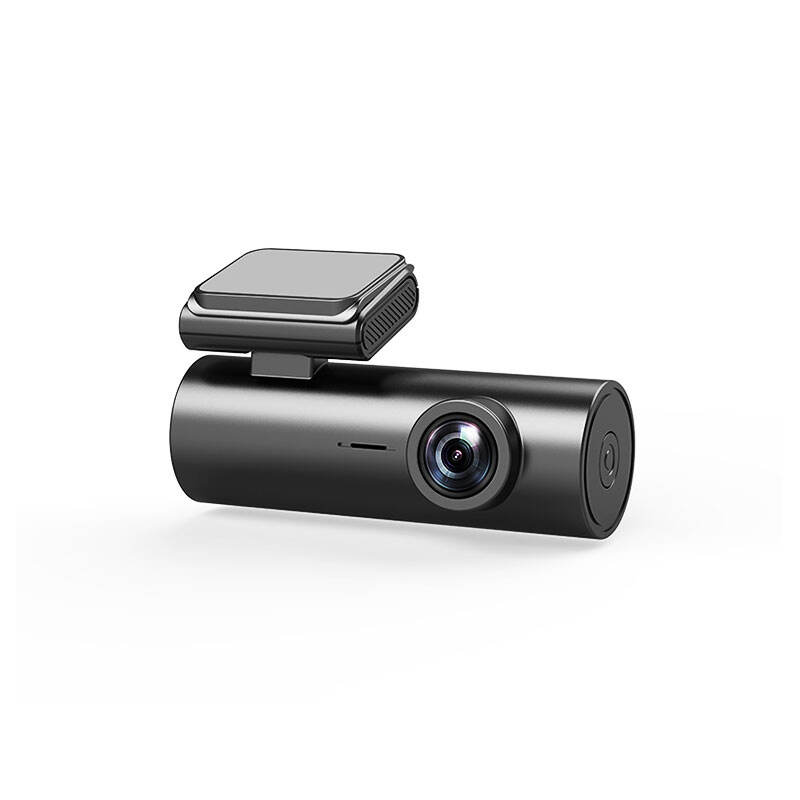
Modern vehicle security has evolved significantly with the integration of advanced recording technology, particularly through WiFi dash cam systems that offer unprecedented connectivity and monitoring capabilities. These innovative devices have transformed how drivers and fleet managers approach vehicle protection, providing real-time access to crucial footage that can make the difference between resolving incidents quickly or facing prolonged disputes. The ability to connect wirelessly to smartphones and cloud platforms has made WiFi dash cam technology an essential component of comprehensive vehicle security strategies.
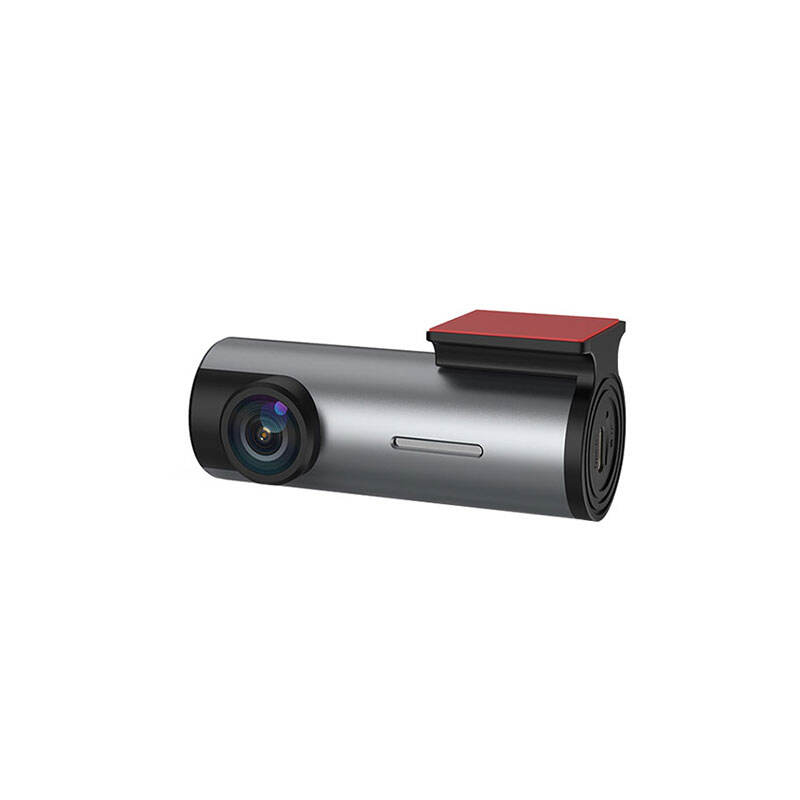
Understanding WiFi Dash Cam Technology and Core Features
Wireless Connectivity and Remote Access Capabilities
The fundamental advantage of a WiFi dash cam lies in its ability to establish wireless connections that eliminate the need for physical data transfer methods. Unlike traditional dash cameras that require manual SD card removal or direct cable connections, WiFi-enabled models create their own wireless networks or connect to existing WiFi infrastructure. This connectivity allows users to access live footage streams, download recorded videos, and adjust camera settings remotely through dedicated mobile applications or web interfaces.
Advanced WiFi dash cam systems often feature dual-band connectivity options, supporting both 2.4GHz and 5GHz frequencies to ensure stable connections even in areas with high wireless interference. The remote access functionality extends beyond simple video retrieval, enabling users to configure recording parameters, adjust video quality settings, and manage storage allocation without physical interaction with the device. This capability proves particularly valuable for fleet managers overseeing multiple vehicles across different locations.
Real-Time Streaming and Instant Notification Systems
Contemporary WiFi dash cam technology incorporates sophisticated streaming protocols that deliver high-quality video feeds in real-time, allowing immediate assessment of vehicle surroundings and driving conditions. The streaming capability operates through optimized compression algorithms that balance video quality with bandwidth requirements, ensuring smooth transmission even over limited connectivity. Many systems support multiple simultaneous streams, enabling both front and rear camera feeds to be monitored concurrently.
Integration with instant notification systems represents another significant advancement in WiFi dash cam functionality, automatically alerting users to critical events such as collision detection, motion sensing while parked, or tampering attempts. These notifications can be delivered through various channels including push notifications to mobile devices, email alerts, or SMS messages, ensuring that vehicle owners remain informed of security-related incidents regardless of their location. The notification system often includes customizable sensitivity settings and filtering options to minimize false alarms while maintaining comprehensive security coverage.
Enhanced Vehicle Security Through Connected Monitoring
Continuous Surveillance and Parking Mode Protection
The security benefits of WiFi dash cam systems extend far beyond active driving scenarios, encompassing comprehensive parking mode surveillance that monitors vehicles during extended stationary periods. Advanced parking mode functionality activates motion detection algorithms and impact sensors that trigger recording when unauthorized activity occurs near the vehicle. The WiFi connectivity enables immediate transmission of security alerts and video evidence to vehicle owners, facilitating rapid response to potential theft attempts or vandalism incidents.
Parking mode protection through WiFi dash cam technology often incorporates time-lapse recording features that compress hours of surveillance into manageable video segments while maintaining sufficient detail for security analysis. The continuous monitoring capability can operate for extended periods through efficient power management systems that minimize battery drain while maintaining essential security functions. Some advanced systems include backup battery options or hardwire installations that provide uninterrupted surveillance even when the vehicle's main power source is disconnected.
Cloud Storage Integration and Evidence Preservation
Cloud storage integration represents a critical security enhancement offered by modern WiFi dash cam systems, automatically backing up crucial footage to secure remote servers that protect evidence from local tampering or device theft. The cloud synchronization process operates seamlessly in the background, uploading priority content such as collision recordings or security alerts while managing bandwidth usage efficiently. This automatic backup functionality ensures that critical evidence remains accessible even if the physical camera device is damaged or stolen during an incident.
Advanced cloud integration features often include selective upload algorithms that prioritize high-importance recordings while managing storage quotas effectively, ensuring that the most critical security footage receives immediate backup protection. Many WiFi dash cam systems offer various cloud storage tiers with different retention periods and storage capacities, allowing users to select appropriate backup solutions based on their specific security requirements and budget considerations. The cloud-based evidence preservation also facilitates easy sharing with insurance companies, law enforcement agencies, or legal representatives when documentation is required for incident resolution.
Real-Time Footage Access and Mobile Integration
Smartphone Application Features and User Interface Design
Modern WiFi dash cam systems provide comprehensive mobile applications that transform smartphones into powerful control centers for vehicle monitoring and footage management. These applications typically feature intuitive user interfaces designed for quick access to essential functions, including live video streaming, recorded footage browsing, and camera configuration options. The mobile integration allows users to view multiple camera angles simultaneously, adjust recording settings on the fly, and receive real-time notifications about vehicle security events.
Advanced smartphone applications for WiFi dash cam systems often incorporate GPS integration that displays vehicle location data alongside video footage, creating comprehensive incident records that include precise geographic coordinates and timestamps. The applications may also feature social sharing capabilities that allow users to quickly distribute important footage to relevant parties while maintaining appropriate privacy controls. Many systems support multi-device access, enabling authorized users to monitor vehicles from various smartphones or tablets while maintaining secure authentication protocols.
Live Monitoring and Remote Vehicle Supervision
The live monitoring capabilities of WiFi dash cam technology enable real-time supervision of vehicles and drivers, particularly valuable for fleet management applications and family vehicle monitoring scenarios. Live streaming functionality provides immediate visibility into driving conditions, passenger behavior, and route adherence, allowing supervisors to address safety concerns or operational issues as they develop. The real-time access extends to audio monitoring in systems equipped with microphone capabilities, providing comprehensive situational awareness.
Remote vehicle supervision through WiFi dash cam systems often includes geofencing capabilities that trigger alerts when vehicles enter or exit designated areas, supporting theft recovery efforts and operational compliance monitoring. The live monitoring functionality can be customized with various viewing modes, including picture-in-picture displays for multi-camera systems and split-screen arrangements for simultaneous front and rear monitoring. Advanced systems may incorporate two-way communication features that enable remote interaction with vehicle occupants through built-in speakers and microphones.
Installation Considerations and Technical Requirements
Power Management and Hardwiring Options
Proper installation of WiFi dash cam systems requires careful consideration of power management solutions that ensure reliable operation without compromising vehicle battery performance. Many WiFi dash cam models offer multiple power options including cigarette lighter adapters for temporary installations and hardwired connections for permanent setups that provide continuous power access. Hardwiring installations typically involve connection to the vehicle's fuse box or direct battery terminals, often incorporating voltage monitoring circuits that prevent excessive battery drain during parking mode operation.
Advanced power management features in WiFi dash cam systems include intelligent shutdown protocols that automatically disable non-essential functions when vehicle battery voltage drops below safe thresholds. Some installations benefit from dedicated backup batteries or capacitor systems that provide uninterrupted recording during engine shutdown periods and protect against power fluctuations. The power management configuration often requires professional installation to ensure proper integration with vehicle electrical systems and compliance with warranty requirements.
Network Configuration and Connectivity Optimization
Successful WiFi dash cam deployment requires careful attention to network configuration and connectivity optimization to ensure reliable wireless performance in various environmental conditions. The initial setup process typically involves configuring the camera's wireless settings, establishing secure authentication protocols, and optimizing transmission parameters for the intended use environment. Many WiFi dash cam systems support multiple connectivity modes including direct device-to-device connections for immediate access and infrastructure-based connections for internet-dependent features.
Network optimization for WiFi dash cam systems often involves selecting appropriate wireless channels to minimize interference from other devices, configuring security protocols to protect against unauthorized access, and establishing backup connectivity options for areas with limited wireless coverage. Advanced systems may support cellular connectivity as a backup option, automatically switching to mobile data connections when WiFi networks are unavailable. The connectivity configuration process should account for bandwidth limitations and data usage considerations, particularly important for systems with continuous streaming or frequent cloud upload requirements.
Comparative Analysis with Traditional Dash Camera Systems
Functionality Differences and Capability Enhancements
The functional advantages of WiFi dash cam systems become apparent when compared to traditional dashboard cameras that rely solely on local storage and manual data retrieval methods. While conventional dash cameras excel in basic recording functionality, WiFi-enabled models provide enhanced capabilities including remote access, real-time monitoring, and automated evidence backup that significantly improve their practical utility. The connectivity features enable proactive security management rather than reactive incident discovery, allowing users to address potential issues before they escalate into serious problems.
Traditional dash camera limitations such as storage capacity constraints, manual file management requirements, and delayed incident discovery are effectively addressed through WiFi dash cam technology. The wireless connectivity enables selective recording upload, cloud-based storage expansion, and immediate incident notification that transforms the device from a passive recording tool into an active security system. The enhanced functionality often justifies the additional cost and complexity associated with WiFi-enabled models, particularly for users requiring comprehensive vehicle monitoring capabilities.
Cost Considerations and Return on Investment Analysis
Investment analysis for WiFi dash cam systems must account for both initial purchase costs and ongoing operational expenses including data plans, cloud storage subscriptions, and potential professional installation fees. While WiFi-enabled models typically command higher prices than basic dash cameras, the additional functionality often provides measurable value through improved security outcomes, reduced insurance premiums, and enhanced operational efficiency. Fleet operators frequently realize significant returns through reduced liability exposure, improved driver behavior monitoring, and streamlined incident investigation processes.
Long-term cost considerations for WiFi dash cam systems include subscription fees for cloud services, cellular data charges for remote connectivity, and periodic software updates that may require hardware upgrades. However, these ongoing costs are often offset by tangible benefits such as faster insurance claim resolution, reduced fraud liability, and improved vehicle recovery rates in theft situations. The comprehensive security and monitoring capabilities provided by WiFi dash cam technology frequently justify the investment for both individual vehicle owners and commercial fleet operators seeking advanced protection solutions.
Future Developments and Industry Trends
Artificial Intelligence Integration and Smart Analytics
The evolution of WiFi dash cam technology increasingly incorporates artificial intelligence capabilities that enhance automated incident detection, behavioral analysis, and predictive security features. Advanced AI algorithms can identify specific events such as aggressive driving patterns, unauthorized vehicle access attempts, or suspicious activity in parking areas, automatically prioritizing relevant footage for immediate attention. The integration of machine learning capabilities enables WiFi dash cam systems to adapt to individual usage patterns and environmental conditions, improving detection accuracy while reducing false alarm rates.
Smart analytics features in future WiFi dash cam systems may include advanced object recognition capabilities that identify specific threats such as break-in attempts, vandalism, or collision risks in real-time. The AI integration extends to automated report generation that creates comprehensive incident summaries including video evidence, location data, and contextual analysis for insurance and legal proceedings. These intelligent features transform WiFi dash cam systems from passive recording devices into proactive security platforms that can anticipate and respond to potential threats automatically.
5G Connectivity and Enhanced Streaming Capabilities
The deployment of 5G wireless networks promises significant enhancements to WiFi dash cam functionality through improved bandwidth, reduced latency, and enhanced connectivity reliability. The increased data transmission capabilities will enable higher resolution video streaming, multi-camera synchronization, and real-time video processing features that were previously limited by bandwidth constraints. 5G integration may also support advanced features such as augmented reality overlays, real-time traffic integration, and enhanced emergency response coordination.
Future WiFi dash cam systems leveraging 5G connectivity may incorporate edge computing capabilities that process video analysis locally while maintaining high-speed connections to cloud services for backup and sharing functions. The enhanced connectivity will likely enable new applications such as vehicle-to-vehicle communication for collision avoidance, real-time traffic pattern analysis, and integration with smart city infrastructure systems. These advanced connectivity features will position WiFi dash cam technology as a crucial component of intelligent transportation systems and connected vehicle ecosystems.
FAQ
How much data does a WiFi dash cam typically consume during normal operation?
Data consumption for WiFi dash cam systems varies significantly based on usage patterns, video quality settings, and streaming frequency. Basic notification and settings synchronization typically consume less than 100MB per month, while regular video uploads and live streaming can use 1-5GB monthly depending on resolution and frequency. Many systems offer configurable data management options to control usage and prevent exceeding mobile data limits.
Can WiFi dash cam systems function without internet connectivity?
Most WiFi dash cam systems maintain core recording functionality even without internet access, storing footage locally on memory cards or internal storage. However, features requiring connectivity such as remote access, cloud backup, real-time notifications, and live streaming become unavailable during offline periods. Many systems automatically resume cloud synchronization and upload pending footage once connectivity is restored.
What security measures protect WiFi dash cam footage from unauthorized access?
Modern WiFi dash cam systems employ multiple security layers including encrypted wireless communications, password-protected access controls, and secure cloud storage with user authentication. Many systems support two-factor authentication, end-to-end encryption for video transmission, and access logging to monitor account activity. Regular firmware updates address potential security vulnerabilities and maintain protection against emerging threats.
How do WiFi dash cam systems handle storage management and automatic deletion?
WiFi dash cam systems typically employ intelligent storage management that automatically overwrites oldest footage when storage capacity is reached, while protecting critical recordings marked as important events. Many systems offer configurable retention periods, priority-based deletion algorithms, and cloud backup integration that preserves essential footage beyond local storage limitations. Users can usually adjust storage allocation between continuous recording and event-triggered footage based on their specific needs.
Table of Contents
- Understanding WiFi Dash Cam Technology and Core Features
- Enhanced Vehicle Security Through Connected Monitoring
- Real-Time Footage Access and Mobile Integration
- Installation Considerations and Technical Requirements
- Comparative Analysis with Traditional Dash Camera Systems
- Future Developments and Industry Trends
-
FAQ
- How much data does a WiFi dash cam typically consume during normal operation?
- Can WiFi dash cam systems function without internet connectivity?
- What security measures protect WiFi dash cam footage from unauthorized access?
- How do WiFi dash cam systems handle storage management and automatic deletion?

