
 EN
EN
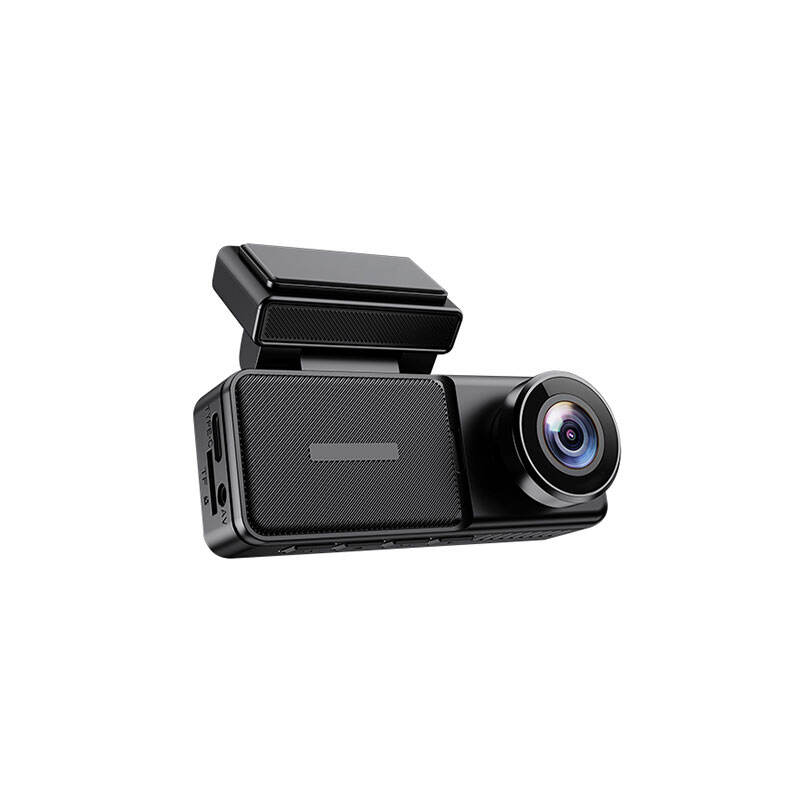
Vehicle security has become a paramount concern for drivers worldwide, especially when leaving cars unattended for extended periods. Modern technology has introduced sophisticated solutions to address these security challenges, with parking mode dash cam systems emerging as one of the most effective protective measures available today. These advanced recording devices offer continuous monitoring capabilities that traditional security systems simply cannot match, providing comprehensive protection through intelligent surveillance technology. The parking mode dash cam represents a significant evolution in automotive security, combining cutting-edge sensor technology with reliable recording capabilities to create an impenetrable shield around your vehicle. Understanding how these systems function and their protective benefits can help vehicle owners make informed decisions about their automotive security investments.
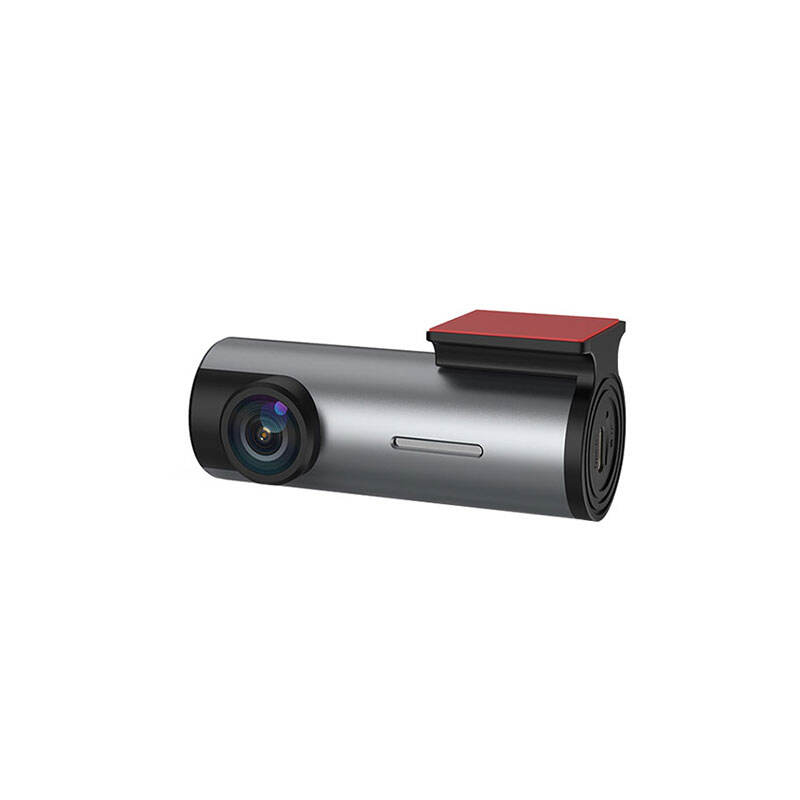
Understanding Parking Mode Technology
Core Components and Functionality
The parking mode dash cam operates through a sophisticated network of sensors and processors that remain active even when the vehicle's ignition is turned off. These systems typically incorporate accelerometers, gyroscopes, and motion detection sensors that can identify various types of disturbances around the parked vehicle. The technology behind parking mode functionality relies on continuous power management systems that draw minimal energy from the vehicle's battery while maintaining full operational capability. Advanced models feature intelligent power management that automatically adjusts recording quality and frequency based on available battery levels, ensuring optimal protection without draining the vehicle's electrical system.
Modern parking mode dash cam units utilize multiple trigger mechanisms to initiate recording sequences. Impact detection sensors can identify collisions, attempted break-ins, or vandalism attempts through precise vibration analysis. Motion sensors create invisible perimeters around the vehicle, activating recording when movement is detected within specified ranges. Some advanced systems incorporate sound detection capabilities that can differentiate between normal environmental noise and potential security threats. The integration of these multiple detection methods creates a comprehensive security network that captures incidents from various angles and perspectives, providing complete documentation of any security events.
Power Management and Battery Protection
Effective power management represents a critical aspect of parking mode dash cam operation, as these devices must balance continuous monitoring with battery preservation. Most professional-grade systems incorporate low-voltage cutoff mechanisms that prevent excessive battery drain while maintaining security functionality. These intelligent power management systems monitor the vehicle's electrical status continuously, automatically adjusting operational parameters to ensure the vehicle remains startable after extended parking periods. Advanced models feature multiple power modes that can be customized based on parking duration and security requirements.
The parking mode dash cam typically operates through hardwired connections that provide stable power supply and enhanced reliability compared to cigarette lighter adapters. Professional installation ensures proper integration with the vehicle's electrical system, incorporating appropriate fusing and circuit protection to prevent any electrical damage. Some systems offer external battery pack options that provide extended operation times without impacting the vehicle's main electrical system. These supplementary power sources can maintain parking mode functionality for days or weeks, depending on the specific requirements and usage patterns of individual vehicle owners.
Security Benefits and Protection Capabilities
Incident Documentation and Evidence Collection
The primary advantage of parking mode dash cam systems lies in their ability to provide comprehensive incident documentation that can serve as crucial evidence in various scenarios. When accidents occur in parking lots or driveways, these systems capture high-definition video footage that clearly shows the sequence of events, identifying responsible parties and documenting damage patterns. The recorded evidence proves invaluable for insurance claims, legal proceedings, and police investigations, providing objective documentation that eliminates disputes about fault or circumstances. Time-stamped recordings with GPS coordinates create irrefutable evidence that can significantly expedite claim processing and resolution.
Beyond collision documentation, parking mode dash cam systems excel at capturing criminal activities targeting parked vehicles. Vandalism attempts, break-in efforts, and theft activities are all recorded in detail, providing law enforcement with clear evidence for prosecution. The mere presence of visible recording equipment often serves as an effective deterrent, discouraging potential criminals from targeting equipped vehicles. Some advanced systems feature cloud connectivity that automatically uploads incident footage to secure servers, ensuring evidence preservation even if the physical device is damaged or stolen during criminal activities.
Real-Time Monitoring and Alert Systems
Contemporary parking mode dash cam systems offer sophisticated notification capabilities that keep vehicle owners informed about security events in real-time. Smartphone connectivity allows users to receive instant alerts when incidents are detected, enabling immediate response to potential threats. These notification systems can differentiate between minor disturbances and serious security events, reducing false alarms while ensuring important incidents receive immediate attention. GPS tracking integration provides precise location information with each alert, facilitating rapid response from owners or security personnel.
Advanced monitoring features include live streaming capabilities that allow remote viewing of the vehicle's surroundings through mobile applications. This functionality proves particularly valuable in high-risk parking environments or when leaving vehicles unattended for extended periods. Some systems offer two-way communication features that enable owners to interact with individuals near their vehicles, providing an additional layer of security and deterrence. The combination of real-time monitoring, instant notifications, and remote interaction capabilities creates a comprehensive security ecosystem that extends far beyond simple recording functionality.
Installation and Setup Considerations
Professional Installation Requirements
Proper installation represents a crucial factor in maximizing the effectiveness of parking mode dash cam systems. Professional installation ensures optimal camera positioning for comprehensive coverage while maintaining aesthetic appeal and avoiding interference with vehicle operation. Skilled technicians understand the electrical requirements for hardwired installations, incorporating appropriate circuit protection and power management components. The installation process involves careful routing of power cables through vehicle interiors, connecting to appropriate fuse boxes while maintaining manufacturer warranty requirements.
Camera placement decisions significantly impact the effectiveness of parking mode monitoring capabilities. Front-facing cameras should provide clear views of approaching traffic and potential collision scenarios, while rear cameras monitor backing situations and rear-end incidents. Some installations incorporate multiple cameras for 360-degree coverage, eliminating blind spots and providing comprehensive surveillance of the entire vehicle perimeter. Professional installers ensure proper weatherproofing and cable management that prevents moisture intrusion and maintains long-term reliability under various environmental conditions.
Configuration and Optimization
Optimizing parking mode dash cam settings requires careful consideration of individual usage patterns, parking environments, and security requirements. Sensitivity adjustments for motion detection and impact sensors must balance comprehensive coverage with false alarm prevention. Environmental factors such as high-traffic areas, construction zones, or windy conditions may require specific sensitivity modifications to maintain effective monitoring without excessive triggering. Recording quality settings should balance storage capacity with evidence clarity, ensuring sufficient detail for identification while maximizing recording duration.
Advanced configuration options allow users to customize recording schedules, storage management, and notification preferences according to specific needs. Some systems offer intelligent scheduling that automatically activates enhanced monitoring during high-risk periods while reducing activity during safe timeframes. Storage management features can automatically delete older footage to ensure continuous recording capability, while cloud backup options preserve important incidents indefinitely. The parking mode dash cam configuration process should align with individual security priorities and usage patterns to maximize protective effectiveness.
Advanced Features and Technology Integration
Artificial Intelligence and Smart Detection
Modern parking mode dash cam systems incorporate sophisticated artificial intelligence algorithms that enhance detection accuracy while reducing false alarms. Machine learning capabilities enable these devices to distinguish between genuine security threats and benign environmental factors such as wind, rain, or passing pedestrians. AI-powered systems can identify specific types of incidents, automatically categorizing events as collisions, break-in attempts, vandalism, or routine activities. This intelligent classification system allows for more targeted responses and more efficient storage management of recorded footage.
Advanced AI features include facial recognition capabilities that can identify repeat offenders or suspicious individuals in parking areas. License plate recognition technology automatically captures and stores vehicle identification information for incidents involving other vehicles. Some systems integrate with building security networks, sharing threat information across connected parking facilities to enhance overall security effectiveness. The parking mode dash cam technology continues evolving with machine learning improvements that enhance detection capabilities through continuous algorithm refinement and expanded threat recognition databases.
Connectivity and Integration Options
Contemporary parking mode dash cam systems offer extensive connectivity options that integrate seamlessly with existing security infrastructure and smart home systems. Wi-Fi connectivity enables automatic footage uploading to cloud storage platforms, ensuring evidence preservation and remote access capabilities. Bluetooth integration allows for easy smartphone pairing and configuration management through dedicated mobile applications. Some advanced systems support integration with vehicle telematics platforms, sharing security information with fleet management systems or insurance providers for enhanced safety monitoring.
Smart home integration capabilities allow parking mode dash cam systems to coordinate with residential security networks, creating comprehensive property protection systems. Integration with home automation platforms enables coordinated responses to security events, such as activating exterior lighting when incidents are detected. Voice control compatibility through popular smart assistants provides convenient access to system status and recorded footage. The expanding connectivity options ensure that parking mode dash cam technology remains compatible with evolving smart technology ecosystems while maintaining robust security functionality.
Legal Considerations and Privacy Compliance
Recording Laws and Regulations
Operating parking mode dash cam systems requires careful attention to local and federal recording laws that govern surveillance activities in various jurisdictions. Public parking areas generally allow vehicle-mounted recording systems, but private property recordings may require specific permissions or notifications. Understanding the legal framework surrounding parking mode dash cam usage ensures compliance while maximizing protective benefits. Some jurisdictions require visible notifications that recording is taking place, while others have specific restrictions on audio recording capabilities that may affect system configuration.
Evidence admissibility standards vary across different legal systems, but properly configured parking mode dash cam footage generally enjoys strong legal recognition in court proceedings. Maintaining accurate timestamps, GPS coordinates, and proper chain of custody documentation enhances the legal value of recorded evidence. Regular system maintenance and proper calibration ensure that recorded footage meets technical standards required for legal proceedings. Vehicle owners should familiarize themselves with local regulations to ensure their parking mode dash cam systems operate within appropriate legal boundaries while providing maximum protective value.
Privacy Protection and Data Security
Protecting the privacy of recorded individuals while maintaining security effectiveness requires careful consideration of data handling and storage practices. Parking mode dash cam systems should incorporate strong encryption protocols for stored footage and wireless transmissions to prevent unauthorized access to sensitive recordings. Regular password updates and secure authentication methods protect against data breaches that could compromise both vehicle security and personal privacy. Cloud storage providers should offer appropriate security certifications and data protection guarantees to ensure recorded footage remains secure from cyber threats.
Responsible data management includes establishing appropriate retention periods for recorded footage, automatically deleting routine recordings while preserving incident documentation. Some parking mode dash cam systems offer privacy masking features that can obscure sensitive areas while maintaining security monitoring capabilities. User education about proper system operation and data handling ensures that privacy protection measures remain effective throughout the system's operational life. Balancing comprehensive security monitoring with appropriate privacy protection creates sustainable surveillance systems that provide long-term protective benefits without compromising individual rights.
FAQ
How long can a parking mode dash cam record continuously
The recording duration for parking mode dash cam systems depends on several factors including storage capacity, recording quality settings, power source, and trigger frequency. Most systems can record continuously for 24-72 hours on internal vehicle power before requiring battery protection cutoffs. External battery packs can extend this duration to several weeks depending on capacity and power consumption settings. Loop recording ensures continuous operation by automatically overwriting older footage when storage becomes full, maintaining ongoing protection without manual intervention.
Will parking mode drain my vehicle battery
Professional parking mode dash cam installations include intelligent power management systems designed to prevent battery drainage that could affect vehicle starting. Low-voltage cutoff features automatically disable the system when battery levels drop to safe thresholds, typically around 11.8-12.0 volts for 12V systems. Most modern vehicles can support parking mode operation for 24-48 hours without significant impact on starting capability. External battery options eliminate concerns about vehicle battery drainage while providing extended monitoring capabilities for longer parking periods.
Can parking mode dash cams work in extreme weather conditions
Quality parking mode dash cam systems are designed to operate reliably in extreme weather conditions including high heat, freezing temperatures, and severe storms. Operating temperature ranges typically span from -20°F to 140°F (-29°C to 60°C) for professional-grade units. Weatherproof housings protect internal components from moisture, dust, and temperature fluctuations that could affect performance. Some systems include heating elements for cold weather operation and thermal management for high-temperature environments, ensuring consistent protection regardless of environmental conditions.
How much storage space do parking mode recordings require
Storage requirements for parking mode dash cam recordings vary based on video quality, compression settings, and recording frequency. High-definition recording typically consumes 1-3 GB per hour of footage, while 4K recording may require 5-8 GB per hour. Motion-activated recording significantly reduces storage consumption compared to continuous recording modes. Most systems support storage capacities from 32GB to 512GB, providing several days to weeks of recording capability depending on activity levels and quality settings. Cloud storage options provide unlimited capacity for important incident preservation.

