
 EN
EN
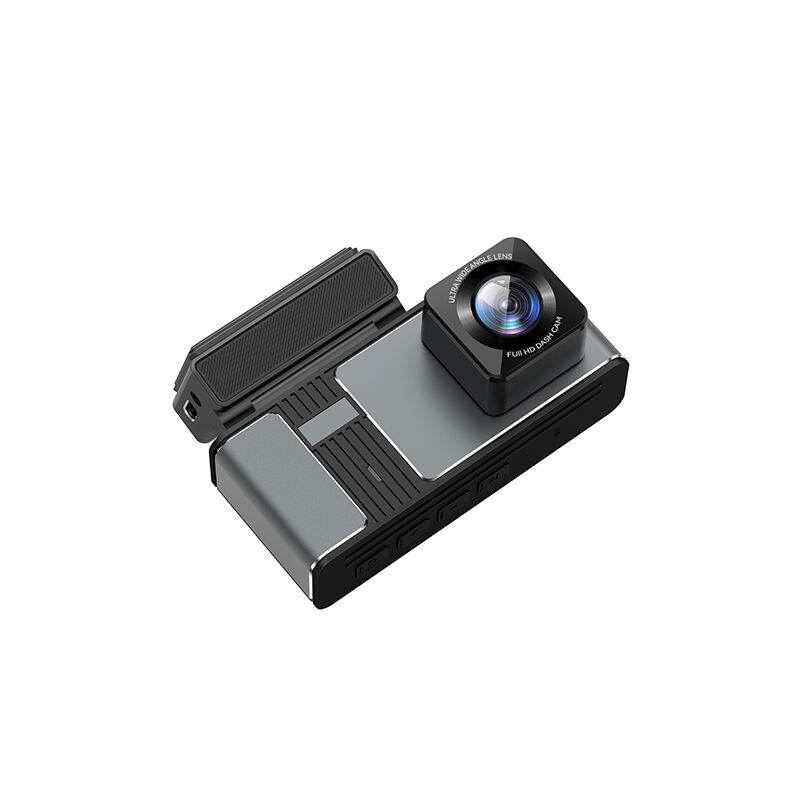
Selecting the right outdoor security camera is crucial for protecting your property and ensuring comprehensive surveillance coverage. With numerous options available in today's market, understanding the key features and specifications that define a quality outdoor security camera becomes essential for making an informed decision. The durability, performance, and reliability of your outdoor security camera system will significantly impact your overall security strategy and long-term investment value.
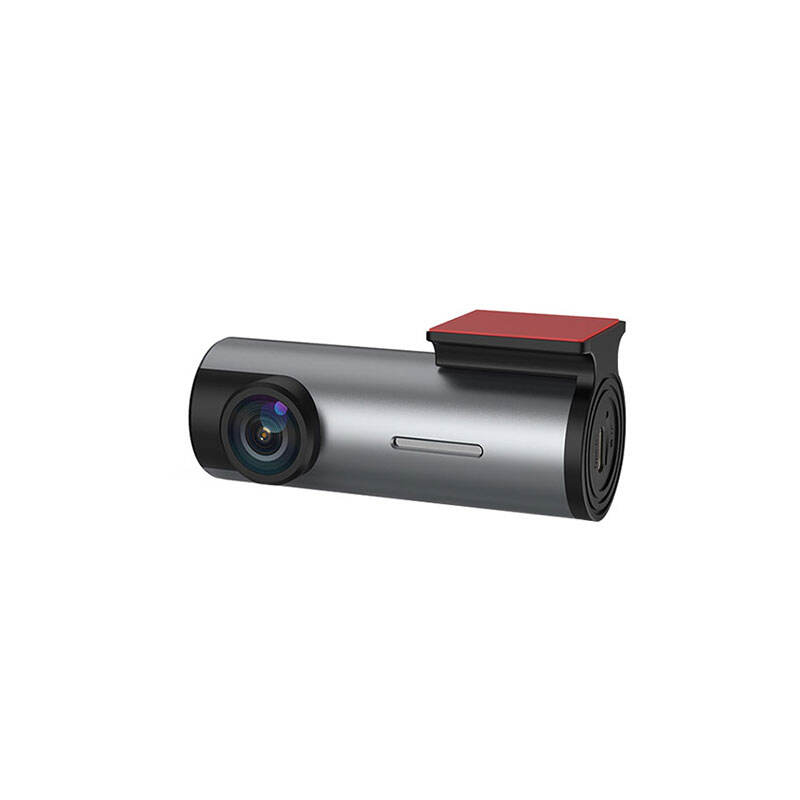
Modern outdoor security camera technology has evolved dramatically, offering enhanced features such as high-definition recording, night vision capabilities, and smart detection algorithms. These advanced systems provide homeowners and business owners with unprecedented control over their property monitoring needs. When evaluating different models, it's important to consider factors such as weather resistance, image quality, storage options, and integration capabilities with existing security infrastructure.
The investment in a robust outdoor security camera system extends beyond the initial purchase price, encompassing installation costs, ongoing maintenance requirements, and potential upgrade needs. Understanding these comprehensive costs helps establish realistic budgets and ensures optimal return on investment. Additionally, the rapid advancement of surveillance technology means that choosing a future-proof outdoor security camera solution becomes increasingly important for long-term satisfaction and effectiveness.
Essential Weather Resistance Features
IP Rating Requirements for Outdoor Deployment
The Ingress Protection rating system provides standardized measurements for an outdoor security camera's resistance to environmental elements. IP65 and IP66 ratings represent the minimum standards for reliable outdoor operation, ensuring protection against dust ingress and powerful water jets from multiple directions. Higher ratings such as IP67 and IP68 offer enhanced protection against temporary submersion, making them ideal for areas prone to flooding or extreme weather conditions.
Understanding the specific IP rating requirements for your installation environment helps ensure optimal performance throughout various seasonal changes. Coastal installations may require higher corrosion resistance, while desert environments demand superior dust protection capabilities. The outdoor security camera housing materials should complement the IP rating, utilizing corrosion-resistant alloys and UV-stabilized plastics to maintain structural integrity over extended periods.
Professional-grade outdoor security camera systems often incorporate additional protective features beyond standard IP ratings, including surge protection circuits and temperature compensation mechanisms. These advanced features help maintain consistent performance during extreme weather events and extend the overall lifespan of the surveillance equipment. Proper installation techniques and protective accessories further enhance weather resistance capabilities.
Temperature Tolerance and Performance Specifications
Operating temperature ranges significantly impact outdoor security camera reliability and longevity in challenging climates. Standard consumer models typically function within temperature ranges of -10°C to 50°C, while professional-grade systems extend these ranges to -30°C to 60°C or beyond. Understanding your local climate extremes helps determine appropriate temperature specifications for consistent year-round operation.
Thermal management systems within quality outdoor security camera designs prevent performance degradation during temperature fluctuations. Built-in heaters maintain optimal sensor temperatures during cold weather conditions, while cooling mechanisms prevent overheating during summer months. These features ensure consistent image quality and prevent condensation issues that could compromise visibility.
Advanced thermal compensation algorithms automatically adjust camera settings based on ambient temperature conditions, maintaining optimal exposure and color balance throughout varying environmental conditions. This intelligent adaptation reduces the need for manual adjustments and ensures reliable surveillance coverage regardless of weather variations. Regular maintenance schedules should account for temperature-related wear patterns to maximize equipment lifespan.
Image Quality and Resolution Considerations
4K Versus Full HD Performance Analysis
Resolution selection directly impacts the effectiveness of your outdoor security camera system in capturing critical details for identification and evidence purposes. 4K resolution provides four times the pixel density of Full HD, enabling superior digital zoom capabilities and enhanced detail retention at greater distances. This increased resolution proves particularly valuable for monitoring large outdoor areas where subjects may be positioned far from the camera location.
However, higher resolution outdoor security camera systems require increased storage capacity and network bandwidth for optimal performance. The additional data processing requirements may necessitate upgraded recording equipment and network infrastructure investments. Balancing resolution benefits against system requirements and budget constraints helps determine the most appropriate specification level for specific applications.
Modern compression technologies such as H.265+ significantly reduce storage requirements while maintaining image quality, making 4K outdoor security camera systems more practical for extended recording periods. Advanced video analytics capabilities often perform better with higher resolution inputs, providing more accurate detection and classification results. Consider future scalability requirements when selecting resolution specifications to ensure long-term system compatibility.
Low Light and Night Vision Capabilities
Effective nighttime surveillance requires sophisticated low-light performance characteristics that extend beyond basic infrared illumination. Starlight sensor technology enables outdoor security camera systems to produce usable color images in extremely low-light conditions, providing superior identification capabilities compared to traditional black-and-white infrared imaging. These advanced sensors typically require minimal ambient lighting to maintain color reproduction.
Infrared range and coverage patterns significantly impact nighttime surveillance effectiveness for outdoor security camera installations. Quality IR illuminators provide uniform coverage across the entire field of view without creating hot spots or dark zones that could compromise detection capabilities. Adjustable IR intensity settings allow optimization for different monitoring distances and environmental conditions.
Smart IR technology automatically adjusts illumination intensity based on subject distance, preventing overexposure of nearby objects while maintaining visibility of distant subjects. This intelligent adaptation ensures optimal image quality across varying surveillance scenarios and reduces power consumption during extended operation periods. Consider supplemental lighting options for enhanced performance in completely dark environments.
Connectivity and Storage Solutions
Wired Versus Wireless Installation Options
Infrastructure requirements vary significantly between wired and wireless outdoor security camera implementations, each offering distinct advantages for different installation scenarios. Wired systems provide consistent power delivery and data transmission reliability, eliminating concerns about signal interference or battery maintenance requirements. Power over Ethernet technology simplifies installation by combining power and data transmission through single cable runs.
Wireless outdoor security camera systems offer enhanced installation flexibility, particularly for locations where cable routing proves challenging or cost-prohibitive. Modern wireless protocols provide sufficient bandwidth for high-definition video transmission while maintaining encrypted security protocols. Battery life considerations become critical for wireless installations, with solar panel supplements extending operation periods in remote locations.
Hybrid approaches combining wired power with wireless data transmission optimize reliability while maintaining installation flexibility. These configurations eliminate battery maintenance requirements while providing wireless connectivity benefits. Signal strength testing during initial installation ensures reliable performance throughout varying weather conditions and potential interference sources.
Cloud Storage and Local Recording Capabilities
Storage architecture decisions significantly impact both ongoing operational costs and data accessibility for outdoor security camera systems. Cloud storage solutions provide off-site backup capabilities and remote access features, ensuring footage availability even if local equipment suffers damage or theft. Subscription costs and bandwidth requirements should be evaluated against long-term storage needs and budget constraints.
Local storage systems offer enhanced privacy control and eliminate ongoing subscription fees, while providing faster access to recent recordings. Network-attached storage devices enable centralized management of multiple outdoor security camera feeds while maintaining local control over sensitive surveillance data. Redundant storage configurations protect against data loss due to equipment failures.
Intelligent recording modes such as motion-triggered capture and smart detection algorithms significantly reduce storage requirements while ensuring critical events are properly documented. Edge recording capabilities maintain surveillance continuity during network outages, automatically synchronizing footage when connectivity is restored. Consider data retention policies and legal requirements when configuring storage duration settings.
Smart Features and Integration Options
Motion Detection and Alert Systems
Advanced motion detection algorithms distinguish between relevant security events and false triggers caused by environmental factors such as moving vegetation, shadows, or weather conditions. Machine learning capabilities enable outdoor security camera systems to adapt to specific environmental patterns, reducing nuisance alerts while maintaining sensitivity to genuine security threats. Customizable detection zones allow fine-tuning surveillance coverage to focus on critical areas.
Real-time alert delivery through multiple communication channels ensures prompt response to security events regardless of location or time of day. Mobile applications provide instant notifications with accompanying video clips, enabling immediate assessment of potential threats. Integration with existing security systems allows coordinated responses including automatic lighting activation and alarm system triggering.
Artificial intelligence enhancement continues advancing outdoor security camera detection capabilities, incorporating facial recognition, vehicle identification, and behavioral analysis features. These intelligent systems can differentiate between authorized personnel and potential intruders, reducing false alarms while enhancing security effectiveness. Regular firmware updates ensure access to the latest detection algorithms and security enhancements.
Mobile App Control and Remote Monitoring
Comprehensive mobile applications provide complete outdoor security camera system control from any location with internet connectivity. Live viewing capabilities enable real-time monitoring with pan, tilt, and zoom controls for adjustable camera models. Two-way audio features facilitate remote communication, allowing users to interact with visitors or deter potential intruders through voice announcements.
Multi-camera management interfaces consolidate monitoring of extensive outdoor security camera installations through single applications, streamlining surveillance operations for large properties or commercial facilities. Customizable dashboard layouts prioritize critical information while providing quick access to frequently used functions. Offline notification queuing ensures alert delivery even during temporary connectivity interruptions.
Advanced scheduling features enable automatic system mode changes based on time of day, occupancy status, or specific events. Geofencing capabilities can automatically arm or disarm surveillance systems based on user location, providing convenient automation while maintaining security protocols. Regular application updates introduce new features and address security vulnerabilities to ensure optimal performance.
Installation and Maintenance Requirements
Professional Installation Versus DIY Considerations
Installation complexity varies significantly based on outdoor security camera system specifications and site-specific requirements. Professional installation ensures optimal camera positioning, proper weatherproofing, and code compliance while typically including warranty coverage for installation-related issues. Experienced technicians can identify potential challenges and implement solutions that maximize system effectiveness and longevity.
DIY installation offers cost savings and scheduling flexibility while providing hands-on familiarity with system operation and basic troubleshooting procedures. Modern outdoor security camera systems increasingly incorporate user-friendly installation guides and simplified mounting hardware to accommodate self-installation preferences. However, electrical work and network configuration may require professional expertise depending on local regulations and system complexity.
Permit requirements and local building codes may mandate professional installation for certain outdoor security camera configurations, particularly those involving electrical connections or structural modifications. Homeowner associations and municipal regulations should be reviewed before installation to ensure compliance with applicable restrictions and requirements. Insurance considerations may also favor professional installation for liability and coverage purposes.
Ongoing Maintenance and Troubleshooting
Regular maintenance schedules significantly extend outdoor security camera system lifespan while ensuring consistent performance throughout varying environmental conditions. Lens cleaning, housing inspection, and connection verification should be performed quarterly or more frequently in harsh environments. Preventive maintenance identifies potential issues before they impact surveillance effectiveness or require emergency repairs.
Firmware updates provide essential security patches and feature enhancements that maintain optimal outdoor security camera performance and protect against emerging cyber threats. Automated update scheduling ensures timely installation while minimizing system downtime. Configuration backups protect custom settings and reduce restoration time following equipment failures or replacements.
Common troubleshooting procedures for outdoor security camera systems include network connectivity verification, power supply testing, and image quality assessment. Understanding basic diagnostic techniques enables rapid issue identification and resolution, reducing dependence on professional service calls for minor problems. Manufacturer support resources and user communities provide additional troubleshooting assistance and best practice recommendations.
Budget Planning and Cost Analysis
Initial Investment and Equipment Costs
Comprehensive outdoor security camera system budgets encompass equipment costs, installation expenses, and necessary infrastructure upgrades to support optimal operation. Entry-level systems suitable for basic residential monitoring typically range from several hundred to a few thousand dollars, while commercial-grade installations may require significantly larger investments depending on coverage requirements and feature specifications.
Quality outdoor security camera equipment represents a long-term investment that should be evaluated based on total cost of ownership rather than initial purchase price alone. Premium components often provide superior durability, extended warranty coverage, and enhanced features that justify higher upfront costs through improved performance and reduced maintenance requirements over time.
Additional infrastructure requirements such as network switches, storage devices, and power supply upgrades should be included in initial budget planning to avoid unexpected expenses during installation. Professional site surveys can identify necessary infrastructure improvements and provide accurate cost estimates for complete system implementation. Financing options may be available for larger installations to distribute costs over extended periods.
Operational Expenses and Long-term Value
Ongoing operational costs for outdoor security camera systems include electricity consumption, internet bandwidth, storage subscriptions, and periodic maintenance expenses. Energy-efficient models and intelligent recording modes can significantly reduce power consumption, while local storage options eliminate recurring subscription fees. Understanding these operational costs helps establish realistic long-term budgets and evaluate total ownership expenses.
Insurance premium reductions often offset outdoor security camera system costs over time, with many providers offering discounts for properties equipped with monitored surveillance systems. Enhanced security documentation can also expedite insurance claim processing and improve settlement outcomes in the event of theft or property damage. These indirect benefits should be considered when evaluating system return on investment.
Technology refresh cycles typically range from five to ten years for quality outdoor security camera systems, depending on feature evolution and performance requirements. Planning for eventual upgrades ensures budget availability for maintaining current capabilities and accessing new features as they become available. Modular system designs facilitate incremental upgrades rather than complete replacements, extending overall system value.
FAQ
What is the minimum IP rating required for outdoor security cameras
The minimum recommended IP rating for outdoor security camera installations is IP65, which provides protection against dust ingress and water jets from any direction. This rating ensures reliable operation during normal weather conditions including rain, snow, and wind-driven moisture. For areas prone to flooding or extreme weather, IP67 or IP68 ratings offer enhanced protection against temporary submersion and provide superior long-term durability in challenging environments.
How much storage space do outdoor security cameras require
Storage requirements for outdoor security camera systems vary based on resolution settings, recording modes, and retention periods. A single 4K camera recording continuously requires approximately 7-10 GB per day, while motion-activated recording can reduce this to 1-3 GB daily. For a typical four-camera system with 30-day retention, plan for 1-2 TB of storage capacity. Cloud storage options provide scalable alternatives with monthly subscription costs typically ranging from $3-15 per camera depending on storage duration and features.
Can outdoor security cameras operate effectively in extreme temperatures
Quality outdoor security camera systems are designed to operate reliably in temperature ranges from -30°C to 60°C (-22°F to 140°F) depending on the specific model and manufacturer specifications. Professional-grade cameras incorporate thermal management features such as internal heaters for cold weather operation and cooling systems for hot climates. However, extreme temperature conditions may require additional protective housing or climate control measures to ensure optimal performance and equipment longevity.
What are the key differences between wired and wireless outdoor security cameras
Wired outdoor security camera systems provide consistent power delivery and reliable data transmission without battery maintenance requirements or signal interference concerns. They typically offer better image quality and unlimited recording capability but require cable installation which may be challenging in some locations. Wireless systems offer installation flexibility and easier relocation but depend on battery life, Wi-Fi signal strength, and may experience occasional connectivity issues. Hybrid solutions combining wired power with wireless data transmission provide optimal reliability while maintaining installation convenience.

