
 EN
EN
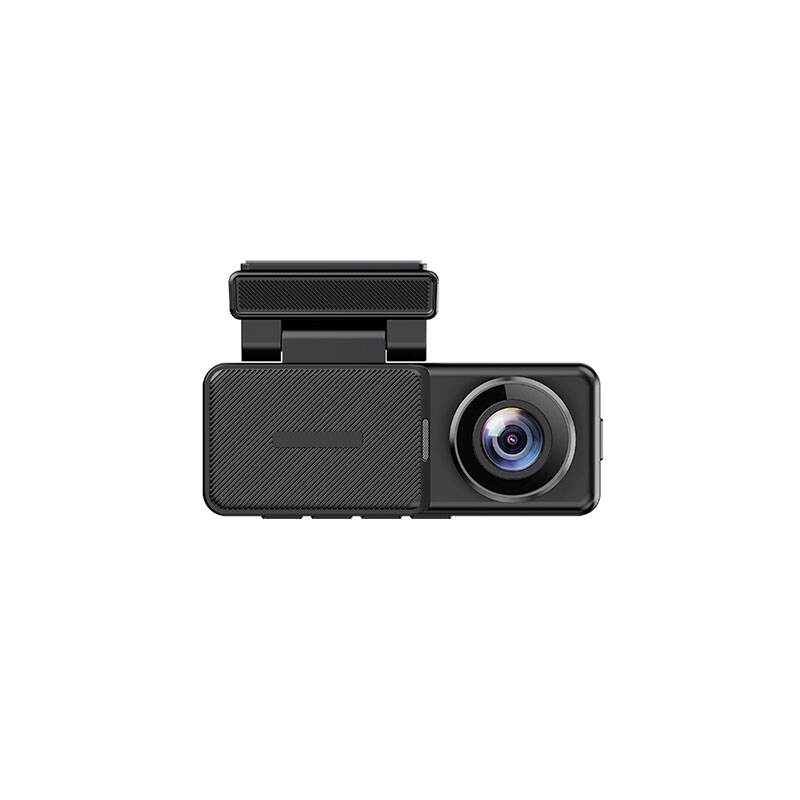
Modern security systems demand reliable surveillance solutions that can withstand harsh environmental conditions while delivering consistent performance. Waterproof outdoor cameras have become essential components for property protection, offering year-round monitoring capabilities regardless of weather challenges. These advanced security devices combine cutting-edge technology with robust weatherproof construction to ensure continuous operation in rain, snow, extreme temperatures, and humidity variations.
Professional-grade waterproof outdoor cameras feature sophisticated sealing mechanisms and durable materials designed to prevent moisture infiltration while maintaining optimal image quality. The integration of advanced sensors, infrared capabilities, and wireless connectivity transforms traditional security monitoring into comprehensive surveillance systems that adapt to various outdoor environments and operational requirements.
Essential Features of Premium Waterproof Outdoor Cameras
Weather Resistance Standards and Certifications
Industry-standard waterproof outdoor cameras must meet specific Ingress Protection ratings, commonly IP65 or IP67, which indicate their ability to resist dust penetration and water immersion. These certifications ensure that cameras can operate effectively in environments with heavy precipitation, snow accumulation, and temperature fluctuations ranging from -40°F to 140°F without compromising internal components.
Advanced sealing technologies utilize multiple gasket layers, corrosion-resistant materials, and precision-engineered housings to create impermeable barriers against environmental contaminants. The most reliable waterproof outdoor cameras incorporate stainless steel components, aluminum alloy construction, and specialized coatings that prevent oxidation and maintain structural integrity over extended operational periods.
Image Quality and Night Vision Capabilities
High-definition imaging capabilities remain paramount in waterproof outdoor cameras, with many models supporting 4K resolution and advanced digital zoom functionality. Professional security applications demand cameras that deliver clear, detailed footage during both daylight and nighttime conditions, ensuring comprehensive monitoring coverage across all operational scenarios.
Infrared illumination systems integrated into waterproof outdoor cameras provide exceptional night vision performance, typically extending effective monitoring ranges up to 100 feet in complete darkness. These sophisticated illumination arrays automatically adjust intensity based on ambient light conditions, conserving power while maintaining optimal image clarity throughout extended surveillance periods.
Installation Considerations for Maximum Performance
Strategic Positioning and Coverage Optimization
Proper installation of waterproof outdoor cameras requires careful consideration of mounting locations, viewing angles, and environmental factors that could impact performance. Strategic positioning ensures comprehensive coverage while minimizing blind spots and maximizing the effectiveness of each camera unit within the overall security system architecture.
Professional installers recommend positioning waterproof outdoor cameras at heights between 8-12 feet to balance accessibility for maintenance with security against tampering. Optimal viewing angles typically range from 90-120 degrees, providing wide-area coverage while maintaining sufficient detail resolution for identification purposes.
Power Supply and Connectivity Solutions
Reliable power delivery systems ensure uninterrupted operation of waterproof outdoor cameras throughout extended monitoring periods. Power-over-Ethernet solutions offer streamlined installation by combining data transmission and electrical supply through single cable connections, reducing installation complexity while improving system reliability and maintenance efficiency.
Wireless connectivity options in modern waterproof outdoor cameras provide installation flexibility while maintaining robust data transmission capabilities. Advanced wireless protocols support high-bandwidth video streaming, remote configuration access, and real-time alert notifications without compromising security or performance standards.
Advanced Technology Integration
Motion Detection and Smart Analytics
Contemporary waterproof outdoor cameras incorporate sophisticated motion detection algorithms that differentiate between genuine security threats and environmental factors such as moving vegetation, precipitation, or wildlife. These intelligent systems reduce false alarms while ensuring rapid response to actual security incidents through customizable sensitivity settings and zone-based monitoring configurations.
Artificial intelligence integration enables waterproof outdoor cameras to perform advanced analytics including facial recognition, vehicle identification, and behavioral pattern analysis. These capabilities transform passive surveillance into proactive security systems that can predict potential threats and automatically initiate appropriate response protocols.
Cloud Storage and Data Management
Modern waterproof outdoor cameras support multiple storage options including local network-attached storage, cloud-based repositories, and hybrid solutions that combine on-site and remote data management. Professional installations typically incorporate redundant storage systems to ensure footage preservation and accessibility during network disruptions or equipment failures.
Advanced data compression technologies optimize storage utilization while maintaining image quality standards required for security applications. These systems automatically adjust recording parameters based on activity levels, storage availability, and user-defined retention policies to maximize operational efficiency and cost-effectiveness.
Maintenance and Longevity Optimization
Preventive Maintenance Protocols
Regular maintenance schedules ensure optimal performance and extended operational life for waterproof outdoor cameras exposed to challenging environmental conditions. Preventive maintenance protocols include periodic cleaning of lens assemblies, verification of mounting hardware integrity, and systematic testing of all electronic components and connectivity systems.
Professional maintenance programs typically recommend quarterly inspections focusing on housing seals, cable connections, and image quality assessment. These comprehensive evaluations identify potential issues before they compromise system performance, ensuring continuous protection and minimizing unexpected downtime or replacement costs.
Seasonal Preparation and Environmental Adaptation
Seasonal transitions require specific preparation procedures to maintain optimal performance of waterproof outdoor cameras throughout varying environmental conditions. Winter preparation includes verification of heating elements, de-icing systems, and power supply stability to prevent cold-weather operational disruptions.
Summer preparation focuses on cooling system functionality, UV protection verification, and thermal management to prevent overheating during extreme temperature conditions. These seasonal maintenance activities ensure consistent performance while protecting sensitive electronic components from environmental damage that could compromise long-term reliability.
Cost-Benefit Analysis and ROI Considerations
Initial Investment and Total Cost of Ownership
Professional-grade waterproof outdoor cameras represent significant initial investments that must be evaluated against long-term operational benefits and security value. Total cost of ownership calculations include equipment costs, installation expenses, ongoing maintenance requirements, and potential insurance premium reductions resulting from enhanced security capabilities.
Return on investment analysis demonstrates that high-quality waterproof outdoor cameras typically pay for themselves through reduced security incidents, lower insurance costs, and improved operational efficiency. Professional installations often achieve full ROI within 18-24 months through measurable security improvements and operational cost savings.
Scalability and System Expansion
Modern waterproof outdoor cameras support scalable architectures that accommodate future expansion requirements without requiring complete system replacement. Modular designs enable incremental additions of camera units, storage capacity, and analytical capabilities as security needs evolve or operational requirements change.
Integration capabilities with existing security infrastructure ensure that waterproof outdoor cameras can enhance current systems rather than requiring complete replacement. These compatibility features provide cost-effective upgrade paths while preserving existing investments in security hardware and software platforms.
FAQ
What IP rating should I look for in waterproof outdoor cameras
Professional waterproof outdoor cameras should feature minimum IP65 ratings for dust and water resistance, with IP67 ratings preferred for installations in extreme weather conditions. These ratings ensure protection against heavy rain, snow accumulation, and dust infiltration while maintaining optimal performance throughout extended operational periods.
How long do waterproof outdoor cameras typically last in harsh weather
High-quality waterproof outdoor cameras with proper installation and regular maintenance typically operate effectively for 5-7 years in harsh weather conditions. Premium models with advanced materials and construction may exceed 10 years of reliable operation when supported by appropriate preventive maintenance protocols and seasonal preparation procedures.
Can waterproof outdoor cameras operate effectively in extreme temperatures
Professional waterproof outdoor cameras are designed to operate in temperature ranges from -40°F to 140°F, with many models incorporating heating and cooling systems to maintain optimal performance. Internal temperature regulation ensures consistent operation during extreme weather events while protecting sensitive electronic components from thermal damage.
What connectivity options work best for waterproof outdoor cameras
Power-over-Ethernet connections provide the most reliable connectivity for waterproof outdoor cameras, combining data transmission and power supply through single cable installations. Wireless options offer installation flexibility but require careful consideration of signal strength, environmental interference, and backup power systems to ensure consistent performance and connectivity reliability.

