
 EN
EN
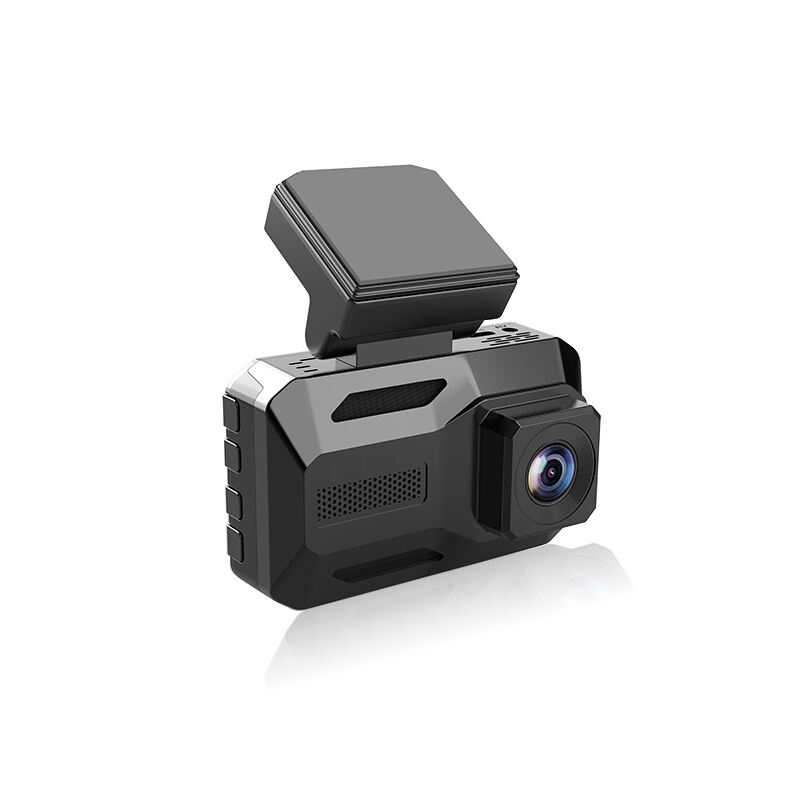
Modern vehicle safety technology has revolutionized how drivers navigate today's increasingly complex roadways. Among the most significant innovations is the ADAS dashcam, which combines traditional video recording capabilities with advanced driver assistance systems. This sophisticated technology represents a crucial evolution in automotive safety, offering drivers unprecedented protection through intelligent monitoring and real-time alerts. As traffic conditions become more challenging and distracted driving incidents continue to rise, the integration of ADAS dashcam systems provides a comprehensive safety solution that extends far beyond simple accident documentation.
Advanced Collision Prevention Technology
Forward Collision Warning Systems
The forward collision warning capability of an ADAS dashcam represents one of the most critical safety features for preventing rear-end accidents. This system continuously monitors the distance between your vehicle and the car ahead, calculating closing speeds and potential collision trajectories in real-time. When the system detects an imminent collision risk, it immediately alerts the driver through visual and audible warnings, providing crucial seconds to react appropriately. The sophisticated algorithms powering these ADAS dashcam units can distinguish between genuine threats and false alarms, ensuring drivers receive accurate warnings without experiencing alert fatigue.
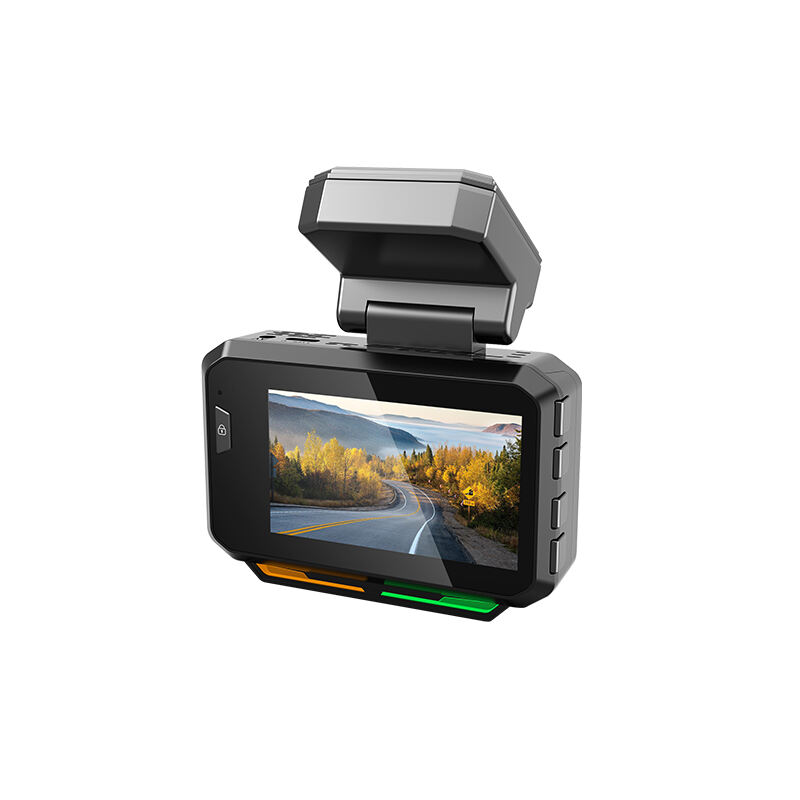
Modern ADAS dashcam systems utilize high-resolution cameras combined with advanced image processing technology to maintain constant vigilance over road conditions ahead. The system's ability to function effectively in various weather conditions and lighting scenarios makes it an invaluable safety companion for drivers who frequently travel during challenging conditions. Statistical data shows that vehicles equipped with forward collision warning systems experience significantly fewer rear-end collisions, demonstrating the tangible safety benefits these ADAS dashcam features provide to everyday drivers.
Lane Departure Prevention
Lane departure warnings integrated into ADAS dashcam systems provide essential protection against one of the leading causes of highway accidents. The system uses computer vision technology to continuously track lane markings and monitor your vehicle's position within the driving lane. When the ADAS dashcam detects unintentional lane drift without proper turn signal activation, it immediately alerts the driver through distinctive warning signals. This feature proves particularly valuable during long-distance driving when driver fatigue or momentary distraction could lead to dangerous lane departures.
The precision of modern ADAS dashcam lane departure systems has improved dramatically, with advanced algorithms capable of distinguishing between intentional lane changes and potentially dangerous drift patterns. These systems work seamlessly with existing vehicle safety features, creating a comprehensive safety network that protects drivers from common highway hazards. The continuous monitoring provided by ADAS dashcam technology ensures that drivers maintain proper lane discipline even during extended periods of highway driving.
Real-Time Driver Behavior Monitoring
Fatigue Detection Capabilities
Driver fatigue represents a significant safety concern that traditional dashcams cannot address, but modern ADAS dashcam systems incorporate sophisticated fatigue detection algorithms. These systems monitor driving patterns, steering input consistency, and vehicle position maintenance to identify signs of driver drowsiness or inattention. When the ADAS dashcam detects patterns consistent with fatigue, it provides immediate alerts encouraging drivers to take necessary rest breaks. The system's ability to recognize subtle changes in driving behavior makes it an effective early warning system for preventing fatigue-related accidents.
The fatigue detection features in advanced ADAS dashcam units continuously learn and adapt to individual driving styles, improving accuracy over time. This personalization ensures that the system provides relevant alerts without creating unnecessary distractions for attentive drivers. Commercial fleet operators have reported significant reductions in fatigue-related incidents after implementing ADAS dashcam systems with comprehensive driver monitoring capabilities, highlighting the real-world effectiveness of this technology.
Distraction Alert Systems
Modern ADAS dashcam technology extends beyond traditional recording to actively monitor driver attention levels throughout the journey. These systems can detect when drivers become distracted by mobile devices, conversations, or other activities that divert attention from the road. The ADAS dashcam uses sophisticated sensors and algorithms to track head position, eye movement patterns, and steering consistency to identify periods of reduced attention. When distraction is detected, the system provides immediate alerts to refocus driver attention on safe vehicle operation.
The integration of distraction monitoring in ADAS dashcam systems represents a proactive approach to accident prevention, addressing one of the primary causes of modern traffic incidents. These systems work continuously in the background, providing unobtrusive monitoring that doesn't interfere with normal driving activities. The ability of ADAS dashcam technology to provide real-time feedback helps drivers develop better habits and maintain consistent attention to road conditions throughout their journey.
Enhanced Vehicle Protection Features
Parking Mode Surveillance
The parking mode functionality of ADAS dashcam systems provides comprehensive vehicle protection even when the engine is turned off. This feature utilizes motion sensors and low-power recording capabilities to monitor the vehicle's surroundings for potential security threats or accidental damage. When unexpected movement or impact is detected, the ADAS dashcam automatically begins recording, capturing crucial evidence of parking lot incidents, vandalism attempts, or hit-and-run accidents. The system's ability to operate independently of the vehicle's main power systems ensures continuous protection during extended parking periods.
Advanced ADAS dashcam parking modes incorporate time-lapse recording capabilities that can document extended periods while conserving storage space and battery power. The intelligent recording algorithms prioritize significant events while maintaining efficient power consumption, ensuring the system remains operational for maximum protection duration. Vehicle owners have successfully used ADAS dashcam parking footage to resolve insurance claims and identify individuals responsible for parking lot damage, demonstrating the practical value of this comprehensive protection feature.
Impact Detection and Emergency Response
The impact detection capabilities integrated into modern ADAS dashcam systems provide immediate response to collision events, automatically saving critical footage and potentially alerting emergency contacts. These systems use sophisticated accelerometers and gyroscopic sensors to detect sudden changes in vehicle motion that indicate collision or impact events. When an impact is detected, the ADAS dashcam immediately protects the relevant video files from being overwritten and may trigger emergency protocols depending on the system configuration.
Some advanced ADAS dashcam systems include GPS connectivity and emergency communication features that can automatically contact emergency services or designated contacts following severe impact detection. This capability ensures that help can be dispatched even if the driver is incapacitated following an accident. The combination of automatic footage protection and emergency response features makes ADAS dashcam systems invaluable for solo drivers or those who frequently travel in remote areas where immediate assistance might not be readily available.
Insurance and Legal Protection Benefits
Comprehensive Evidence Documentation
The video recording capabilities of ADAS dashcam systems provide irrefutable evidence in accident scenarios, protecting drivers from fraudulent claims and ensuring accurate fault determination. Unlike traditional dashcams that only record basic video, ADAS dashcam systems capture additional data including vehicle speed, GPS coordinates, and ADAS alert information that occurred before and during incidents. This comprehensive data collection creates a complete picture of events leading up to accidents, providing insurance companies and legal professionals with detailed information necessary for fair claim resolution.
The timestamp and GPS data integration in ADAS dashcam systems ensures that all recorded evidence includes verifiable location and time information, strengthening the legal validity of captured footage. Many insurance companies now recognize the value of ADAS dashcam evidence, with some providers offering premium discounts for vehicles equipped with these advanced recording systems. The ability to provide clear, documented evidence of driving behavior and accident circumstances has proven invaluable for drivers seeking to protect themselves from unfair liability assignments.
Fleet Management and Liability Reduction
Commercial fleet operators have embraced ADAS dashcam technology as an essential tool for reducing liability exposure and improving overall safety performance. These systems provide fleet managers with comprehensive visibility into driver behavior, vehicle performance, and incident circumstances across their entire operation. The detailed reporting capabilities of ADAS dashcam systems enable proactive driver training programs and help identify patterns that could lead to future accidents or liability issues.
The integration of ADAS dashcam data with fleet management systems allows for comprehensive analysis of safety metrics and driver performance trends. This data-driven approach to fleet safety management has resulted in measurable reductions in accident rates and associated costs for organizations that have fully implemented ADAS dashcam technology. The ability to demonstrate proactive safety measures through ADAS dashcam deployment can also result in favorable insurance rates and regulatory compliance advantages for commercial fleet operations.
Technology Integration and Future Developments
Smartphone Connectivity and Remote Monitoring
Modern ADAS dashcam systems incorporate advanced connectivity features that allow drivers to monitor their vehicles remotely through smartphone applications. These apps provide real-time access to ADAS dashcam feeds, alert notifications, and recorded footage, enabling drivers to stay connected to their vehicle's safety systems even when away from the car. The remote monitoring capabilities prove particularly valuable for parents monitoring teen drivers or fleet managers overseeing multiple vehicles across different locations.
The smartphone integration features of advanced ADAS dashcam systems include customizable alert settings, allowing users to receive immediate notifications when specific safety events occur. This connectivity ensures that drivers can respond quickly to potential security threats or emergency situations involving their vehicles. The ability to access ADAS dashcam footage remotely also facilitates quick evidence sharing with insurance companies or law enforcement agencies when incidents occur, streamlining the claims and investigation process.
Artificial Intelligence and Machine Learning Enhancement
The future of ADAS dashcam technology lies in the continued advancement of artificial intelligence and machine learning capabilities that will make these systems even more effective at preventing accidents and protecting drivers. Current AI algorithms in ADAS dashcam systems continuously learn from driving patterns and environmental conditions to improve accuracy and reduce false alerts. Future developments will likely include predictive capabilities that can anticipate potential hazards before they become immediate threats.
Machine learning integration in ADAS dashcam systems enables continuous improvement in object recognition, hazard detection, and driver behavior analysis. As these systems process more data from diverse driving conditions and scenarios, their ability to provide accurate and helpful safety interventions will continue to improve. The evolution of ADAS dashcam technology toward more intelligent and predictive safety systems represents a significant advancement in automotive safety that will benefit all road users.
FAQ
How does an ADAS dashcam differ from a regular dashcam?
An ADAS dashcam incorporates advanced driver assistance features beyond simple video recording, including collision warnings, lane departure alerts, and driver behavior monitoring. While regular dashcams only record footage, ADAS dashcam systems actively monitor road conditions and provide real-time safety alerts to prevent accidents before they occur.
Can ADAS dashcam systems work effectively in all weather conditions?
Modern ADAS dashcam systems are designed to function in various weather conditions, though performance may be affected by severe weather like heavy rain, snow, or fog. Most systems include algorithms that adjust sensitivity based on environmental conditions and will alert drivers when weather conditions may impact system effectiveness.
Do insurance companies offer discounts for ADAS dashcam installation?
Many insurance companies recognize the safety benefits of ADAS dashcam systems and offer premium discounts for vehicles equipped with these devices. The exact discount amount varies by insurer, but the combination of accident prevention features and comprehensive evidence documentation makes ADAS dashcam systems attractive to insurance providers seeking to reduce claim costs.
How much storage space do ADAS dashcam systems typically require?
ADAS dashcam systems typically use loop recording technology that automatically overwrites older footage when storage becomes full, ensuring continuous operation without manual file management. Most systems work effectively with storage capacities ranging from 32GB to 256GB, with the exact requirements depending on video quality settings and recording duration preferences.

