
 EN
EN
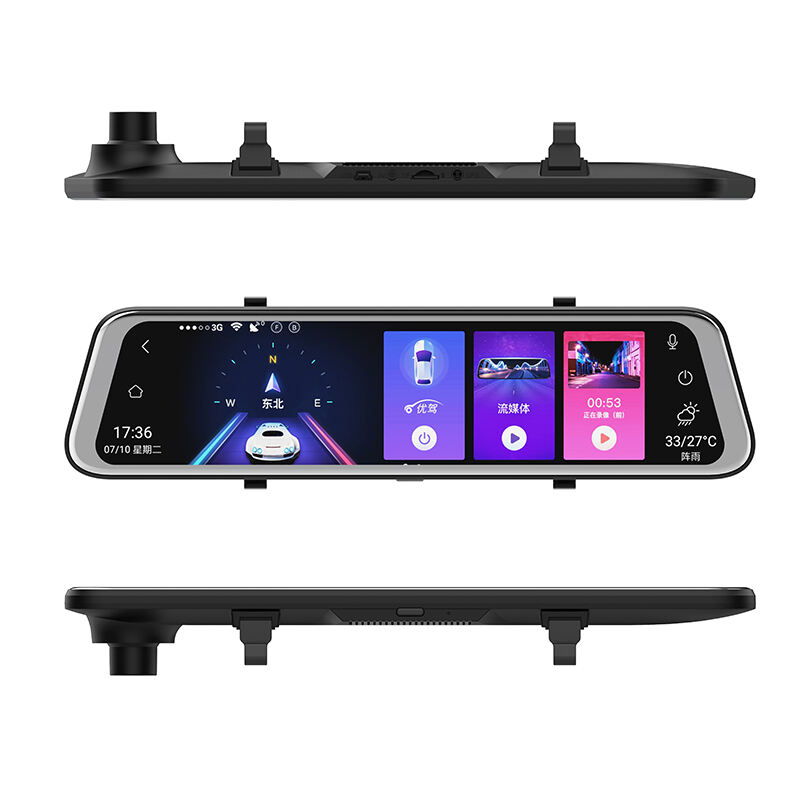
Modern automotive technology continues to revolutionize vehicle safety systems, with advanced solutions emerging to address critical blind spot challenges. The integration of a rearview mirror camera represents a significant advancement in driver assistance technology, offering enhanced visibility and improved safety protocols for contemporary vehicles. This innovative system transforms traditional mirror functionality by incorporating high-definition camera technology directly into the mirror assembly, providing drivers with comprehensive rear visibility that extends far beyond conventional mirror limitations.
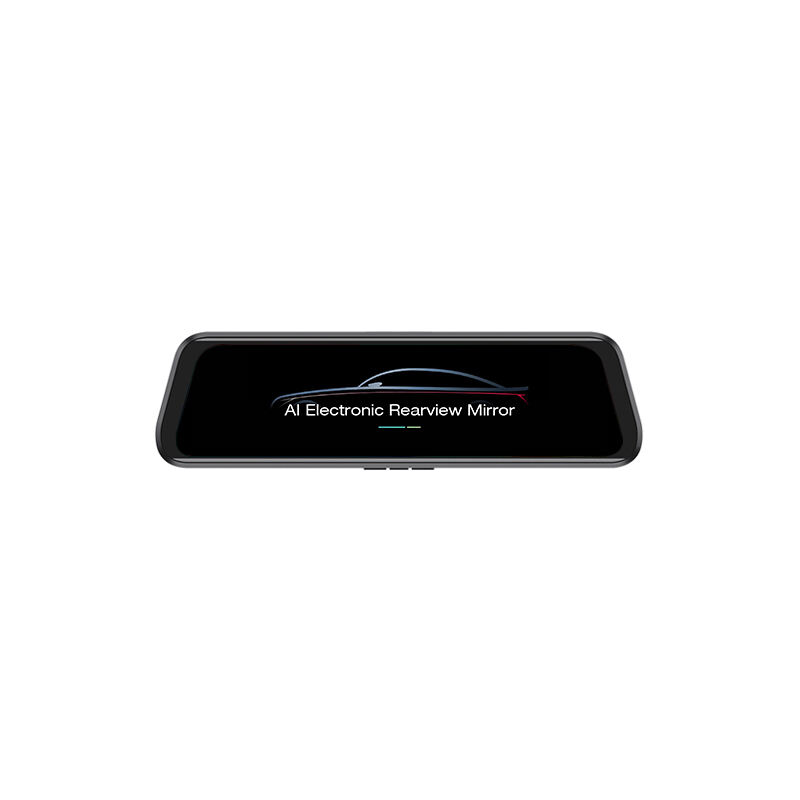
The implementation of camera-integrated mirror systems addresses fundamental visibility constraints that have challenged drivers for decades. Traditional mirrors create inherent blind spots that can compromise safety during lane changes, parking maneuvers, and general navigation. A sophisticated rearview mirror camera eliminates these limitations by providing real-time video feed that captures broader viewing angles and delivers clearer imagery under various lighting conditions. This technology integration represents a natural evolution in automotive safety equipment, combining familiar mirror interfaces with cutting-edge camera capabilities.
Professional fleet operators and individual vehicle owners increasingly recognize the value proposition offered by advanced mirror camera systems. These solutions provide immediate safety benefits while maintaining intuitive operation that requires minimal learning curve for drivers accustomed to traditional mirror usage. The seamless integration of camera technology into existing mirror housings ensures that vehicle aesthetics remain uncompromised while delivering enhanced functionality that significantly improves overall driving experience and safety outcomes.
Enhanced Visibility Technology Features
High-Definition Display Integration
Contemporary rearview mirror camera systems incorporate high-resolution display technology that delivers crystal-clear imagery under diverse environmental conditions. These advanced displays utilize LED backlighting and anti-glare coatings to ensure optimal visibility during both daylight and nighttime driving scenarios. The integration of adjustable brightness controls allows drivers to customize display intensity based on ambient lighting conditions, preventing eye strain while maintaining clear visibility of rear traffic patterns and obstacles.
The display technology embedded within modern mirror camera systems supports multiple viewing modes, including standard mirror reflection and full-screen camera display. This dual-functionality design ensures that drivers maintain access to traditional mirror capabilities while benefiting from enhanced camera-based visibility when conditions warrant expanded viewing coverage. Advanced processing algorithms optimize image quality in real-time, automatically adjusting contrast, brightness, and color saturation to deliver consistently clear imagery regardless of weather conditions or lighting variations.
Wide-Angle Camera Coverage
Professional-grade rearview mirror camera systems feature wide-angle lens technology that captures significantly broader viewing areas compared to conventional mirrors. These cameras typically provide 150-degree to 180-degree viewing angles, effectively eliminating traditional blind spots that pose safety risks during vehicle operation. The expanded coverage area ensures that drivers maintain awareness of adjacent lanes, approaching vehicles, and potential hazards that might otherwise remain undetected through standard mirror observation.
The wide-angle camera configuration delivers comprehensive rear visibility without the distortion commonly associated with convex mirror systems. Advanced lens design and digital processing technology maintain proportional imagery across the entire viewing field, enabling drivers to accurately judge distances and vehicle positions. This enhanced spatial awareness proves particularly valuable during highway merging, parking operations, and navigation through congested traffic environments where precise vehicle positioning becomes critical for safe maneuvering.
Safety Enhancement Benefits
Blind Spot Elimination Technology
The primary safety advantage offered by a rearview mirror camera lies in its ability to eliminate dangerous blind spots that traditional mirrors cannot address effectively. These systems provide continuous visual coverage of areas adjacent to and behind the vehicle, ensuring that drivers maintain awareness of approaching motorcycles, bicycles, and other vehicles that might otherwise remain undetected. The elimination of blind spots significantly reduces the risk of collision during lane changes and merging maneuvers, contributing to overall highway safety improvement.
Advanced camera systems incorporate motion detection algorithms that can highlight moving objects within the viewing field, drawing driver attention to potential hazards before they become immediate safety threats. These intelligent features provide proactive safety alerts that complement the enhanced visibility offered by camera technology. The combination of expanded viewing coverage and intelligent detection capabilities creates a comprehensive safety system that addresses multiple risk factors simultaneously, providing drivers with unprecedented situational awareness during vehicle operation.
Night Vision and Low-Light Performance
Modern rearview mirror camera systems excel in low-light conditions where traditional mirrors become significantly less effective. Advanced image sensors and processing technology enable these cameras to deliver clear visibility during nighttime driving, dusk, and dawn conditions when natural lighting proves insufficient for safe mirror-based observation. The enhanced low-light performance ensures that drivers maintain consistent visibility regardless of ambient lighting conditions, contributing to improved safety during extended driving periods.
Infrared illumination technology integrated into professional camera systems further enhances night vision capabilities, providing clear imagery even in complete darkness. This advanced lighting system operates invisibly to other drivers while delivering comprehensive rear visibility that surpasses any traditional mirror configuration. The improved night vision performance proves particularly valuable for commercial vehicle operators and long-distance travelers who frequently navigate during low-light conditions where conventional mirrors offer limited effectiveness.
Installation and Integration Advantages
Seamless Vehicle Integration
Contemporary rearview mirror camera systems are designed for seamless integration with existing vehicle electrical and mounting systems. Professional installation typically requires minimal modification to vehicle structure, with camera units designed to replace standard mirror assemblies using existing mounting points and electrical connections. This straightforward installation process ensures that vehicle warranties remain unaffected while providing immediate access to enhanced visibility capabilities without complex retrofitting requirements.
The integration process maintains vehicle aesthetics while delivering advanced functionality that appears factory-installed rather than aftermarket addition. Modern camera systems incorporate weatherproofing and vibration resistance designed to withstand harsh automotive environments, ensuring long-term reliability under diverse operating conditions. The professional-grade construction and seamless integration approach make rearview mirror camera systems suitable for both individual vehicle enhancement and fleet-wide implementation across commercial operations.
Power Management and Connectivity
Advanced power management systems ensure that rearview mirror camera technology operates efficiently without compromising vehicle electrical systems or battery performance. These systems incorporate intelligent power regulation that automatically adjusts consumption based on operational requirements, maximizing battery life while maintaining optimal camera performance. The efficient power management approach enables continuous operation during extended driving periods without creating additional electrical system stress or reducing vehicle reliability.
Modern connectivity options allow rearview mirror camera systems to integrate with existing vehicle networks and telematics systems, providing data logging capabilities and remote monitoring options for fleet operators. This connectivity enables comprehensive vehicle monitoring that extends beyond immediate visibility enhancement to include operational analytics and maintenance scheduling based on actual usage patterns. The integration of smart connectivity features positions camera systems as components of broader vehicle management solutions rather than standalone safety devices.
Performance Optimization Features
Weather Resistance and Durability
Professional-grade rearview mirror camera systems incorporate comprehensive weather resistance features designed to maintain optimal performance under challenging environmental conditions. Advanced lens coatings prevent water spotting and ice accumulation, ensuring clear visibility during rain, snow, and freezing conditions when traditional mirrors become significantly less effective. The weatherproofing technology extends to all electrical connections and housing components, providing long-term reliability in diverse climate conditions.
Durability engineering ensures that camera systems withstand continuous vibration, temperature fluctuations, and exposure to road salt and debris without compromising image quality or operational reliability. The robust construction approach utilizes automotive-grade materials and sealing techniques that meet or exceed original equipment manufacturer standards for longevity and performance consistency. This emphasis on durability makes rearview mirror camera systems suitable for heavy-duty commercial applications where reliability becomes critical for operational efficiency and safety compliance.
Image Processing and Enhancement
Sophisticated image processing algorithms continuously optimize display quality by automatically adjusting parameters based on environmental conditions and viewing requirements. These systems incorporate real-time enhancement features that improve contrast, reduce glare, and enhance detail visibility without creating artificial imagery that might mislead drivers about actual distances or object positions. The processing technology maintains natural color reproduction while optimizing visibility across diverse lighting conditions and weather scenarios.
Advanced enhancement features include automatic headlight glare reduction, which prevents temporary vision impairment from following vehicles with bright lighting systems. The processing algorithms detect and compensate for glare sources while maintaining clear visibility of surrounding traffic and road conditions. This intelligent glare management proves particularly valuable during nighttime highway driving where headlight glare from following vehicles can create dangerous visibility limitations with traditional mirror systems.
Commercial and Fleet Applications
Fleet Safety Management
Commercial fleet operators benefit significantly from implementing rearview mirror camera technology across their vehicle inventories. These systems provide consistent safety enhancement that reduces liability risks while improving driver performance and confidence during challenging maneuvering situations. The standardization of enhanced visibility technology across fleet operations ensures that all drivers have access to identical safety tools, contributing to overall operational safety consistency and reduced accident rates.
Fleet management systems can integrate camera data for comprehensive safety monitoring and driver training programs. The recorded imagery provides valuable feedback for identifying improvement opportunities and documenting safety incidents when they occur. This data integration capability transforms rearview mirror camera systems from simple visibility tools into comprehensive safety management resources that contribute to operational efficiency and regulatory compliance across commercial transportation operations.
Regulatory Compliance and Insurance Benefits
The implementation of advanced rearview mirror camera technology often qualifies commercial operators for insurance premium reductions and regulatory compliance credits. Insurance providers recognize the proven safety benefits offered by enhanced visibility systems and frequently adjust coverage costs to reflect reduced risk profiles associated with camera-equipped vehicles. These financial benefits help offset initial system costs while providing ongoing operational savings throughout the equipment lifecycle.
Regulatory agencies increasingly recognize camera-based safety systems as acceptable alternatives to traditional mirror configurations for certain vehicle classifications. This regulatory acceptance enables fleet operators to standardize on camera technology while maintaining compliance with visibility requirements across diverse operational environments. The regulatory flexibility provided by camera systems proves particularly valuable for specialized vehicles where traditional mirror configurations might not provide adequate visibility coverage for safe operation.
FAQ
How does a rearview mirror camera improve safety compared to traditional mirrors
A rearview mirror camera significantly enhances safety by eliminating blind spots that traditional mirrors cannot address, providing wider viewing angles that capture adjacent lanes and approaching vehicles. The camera system delivers clear visibility during low-light conditions when standard mirrors become less effective, while advanced features like motion detection and glare reduction further improve hazard awareness. The enhanced visibility coverage reduces collision risks during lane changes, merging, and parking maneuvers by providing comprehensive rear and side visibility that extends far beyond conventional mirror limitations.
What installation requirements are needed for rearview mirror camera systems
Modern rearview mirror camera systems are designed for straightforward installation using existing mirror mounting points and vehicle electrical connections. Professional installation typically requires minimal vehicle modification, with most systems connecting directly to existing power sources and mounting hardware. The installation process maintains vehicle warranties while providing immediate access to enhanced visibility capabilities, with weatherproof connections and automotive-grade components ensuring long-term reliability under diverse operating conditions.
Can rearview mirror camera technology integrate with existing vehicle systems
Contemporary camera systems offer excellent integration capabilities with existing vehicle electrical networks and telematics systems. These systems can connect to vehicle power management networks for efficient operation while providing data connectivity options for fleet monitoring and maintenance scheduling. The integration flexibility allows camera systems to function as components of broader vehicle management solutions, providing operational analytics and safety monitoring capabilities that extend beyond immediate visibility enhancement to support comprehensive fleet management objectives.
What maintenance is required for rearview mirror camera systems
Rearview mirror camera maintenance requirements are minimal, typically involving periodic lens cleaning and basic system checks to ensure optimal performance. The robust construction and weatherproof design minimize maintenance needs while automotive-grade components provide long-term reliability under normal operating conditions. Regular cleaning of camera lenses ensures continued image clarity, while periodic system diagnostics can identify any performance issues before they affect operational safety or visibility quality.

