
 EN
EN
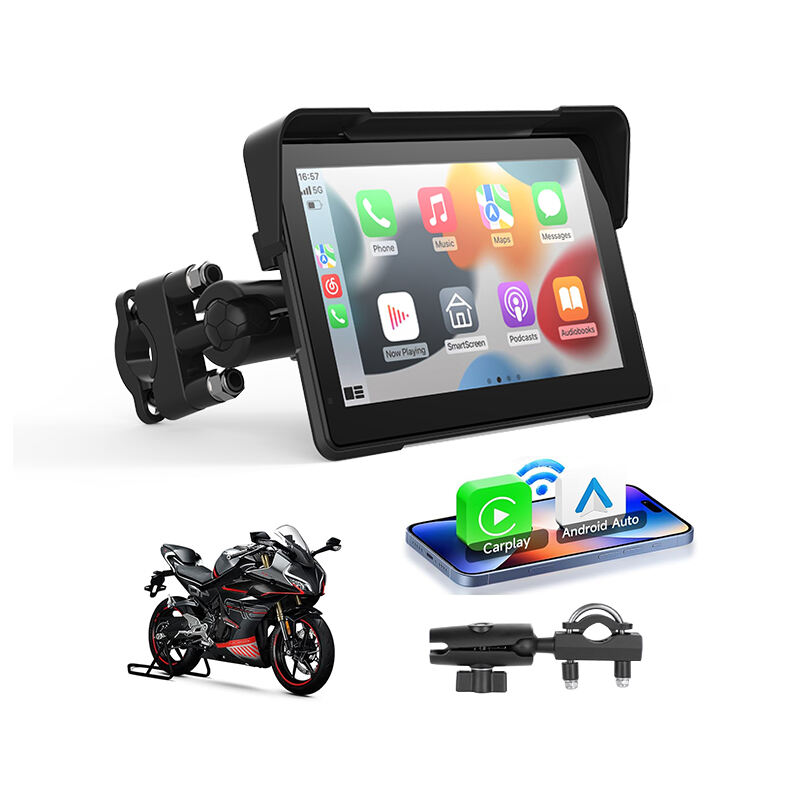
Modern motorcycles are evolving rapidly with advanced technology integration, and one of the most significant additions to contemporary bikes is the motorcycle android touchscreen system. These sophisticated devices transform the riding experience by providing navigation, entertainment, communication, and vehicle monitoring capabilities all in one centralized unit. As riders increasingly demand connectivity and convenience during their journeys, understanding the essential features and considerations for selecting the right motorcycle android touchscreen becomes crucial for making an informed purchase decision.
Essential Display Specifications and Performance Features
Screen Size and Resolution Considerations
The display dimensions play a fundamental role in usability and safety when selecting a motorcycle android touchscreen system. Screen sizes typically range from 5 to 10 inches, with larger displays offering better visibility but potentially creating wind resistance issues. Resolution quality directly impacts readability in various lighting conditions, with Full HD displays providing crisp text and clear graphics essential for navigation purposes. Consider the mounting position on your motorcycle and ensure the screen size complements your bike's design while maintaining optimal viewing angles during rides.
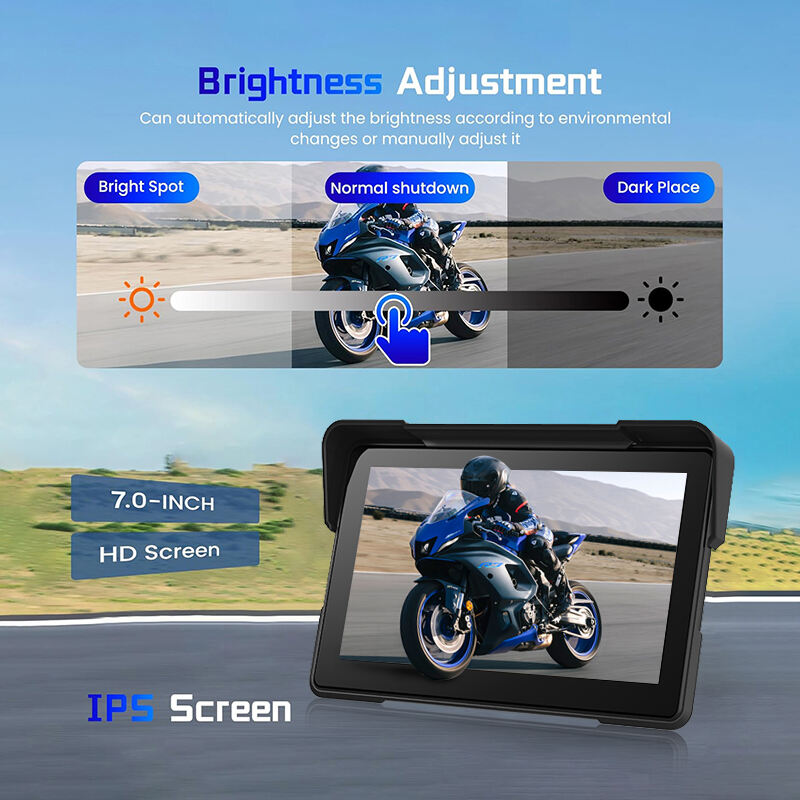
Brightness levels and anti-glare properties become critical factors when riding in direct sunlight or varying weather conditions. Premium motorcycle android touchscreen units feature adjustable brightness settings and specialized coatings that reduce reflections and improve visibility. The pixel density should be sufficient to display detailed maps and small text clearly, ensuring you can read information quickly without compromising safety while riding.
Processing Power and Memory Requirements
The internal processing capabilities determine how smoothly your motorcycle android touchscreen operates, particularly when running multiple applications simultaneously. Modern units should feature at least a quad-core processor with adequate RAM to handle navigation apps, music streaming, and communication functions without lag or freezing. Storage capacity affects how many maps, music files, and applications you can store locally on the device, reducing dependency on cellular data connections during remote rides.
Consider systems that support expandable storage through microSD cards, allowing you to increase capacity as needed. The operating system version should be recent enough to support current applications while receiving security updates and feature enhancements. Processing speed becomes particularly important when calculating complex routes or switching between different functions while maintaining real-time GPS tracking accuracy.
Connectivity and Integration Capabilities
Wireless Communication Standards
Modern motorcycle android touchscreen systems must support comprehensive wireless connectivity options to maximize functionality and convenience. Bluetooth connectivity enables hands-free calling, music streaming, and integration with helmet communication systems, allowing riders to stay connected while maintaining focus on the road. WiFi capabilities facilitate software updates, map downloads, and internet-based services when parked or in coverage areas with available networks.
GPS accuracy and satellite reception quality directly impact navigation reliability, especially in challenging environments such as dense urban areas or remote locations with limited signal coverage. Look for systems supporting multiple satellite networks including GPS, GLONASS, and Galileo for enhanced positioning accuracy. Cellular connectivity options, whether built-in or through smartphone tethering, enable real-time traffic updates, weather information, and emergency communication capabilities during extended rides.
Smartphone and Device Integration
Seamless smartphone integration transforms your motorcycle android touchscreen into a comprehensive command center for your digital life. Android Auto and Apple CarPlay compatibility ensures your preferred mobile applications work seamlessly with the motorcycle display, maintaining familiar interfaces and functionality. Mirror link capabilities allow you to project your smartphone screen directly onto the motorcycle display, providing access to any mobile application through the larger, more visible interface.
Contact synchronization and message integration enable safe communication management while riding, with voice-to-text capabilities reducing the need for manual interaction. Music streaming services integration provides access to your entire digital music library, podcasts, and audiobooks, enhancing the entertainment experience during long rides. Consider systems that support multiple device connections simultaneously, allowing passenger integration and shared control of entertainment or navigation functions.
Durability and Weather Resistance Standards
Environmental Protection Requirements
Motorcycle android touchscreen units face harsh environmental conditions that would quickly destroy standard consumer electronics, making robust construction and protective ratings essential selection criteria. IP67 or higher waterproof ratings ensure the device can withstand heavy rain, pressure washing, and temporary submersion without internal damage. Temperature resistance capabilities should accommodate extreme hot and cold conditions encountered during different seasons and geographic locations, with operating ranges typically spanning from negative temperatures to over 140 degrees Fahrenheit.
Vibration resistance becomes crucial given the constant mechanical stress from engine operation and road conditions, requiring specialized mounting systems and internal shock absorption mechanisms. UV resistance prevents screen degradation and housing discoloration from prolonged sun exposure, maintaining visibility and appearance over extended use periods. Salt water and corrosion resistance prove particularly important for riders in coastal areas or those who frequently encounter road salt during winter conditions.
Construction Materials and Build Quality
The housing materials and construction techniques determine long-term durability and reliability of motorcycle android touchscreen systems under demanding use conditions. Aircraft-grade aluminum housings provide excellent heat dissipation and impact resistance while maintaining relatively lightweight characteristics. Tempered glass screens with oleophobic coatings resist scratches, fingerprints, and impact damage while maintaining touch sensitivity even when wearing gloves.
Sealed button and port designs prevent moisture intrusion while maintaining tactile feedback and connection reliability over thousands of use cycles. Internal component protection through conformal coatings and ruggedized circuit boards ensures electronic reliability despite exposure to moisture, temperature fluctuations, and mechanical stress. Quality control standards and warranty coverage reflect manufacturer confidence in product durability and provide protection for your investment in advanced motorcycle technology.
User Interface Design and Safety Considerations
Ergonomic Interface Elements
The user interface design of motorcycle android touchscreen systems must prioritize safety and ease of use while minimizing distraction from primary riding tasks. Large, clearly defined buttons and menu options accommodate gloved hands and reduce the precision required for accurate touch input while riding. Voice control capabilities enable hands-free operation of primary functions such as navigation, communication, and music control, keeping your hands on the handlebars and eyes on the road.
Customizable home screens and quick-access shortcuts allow riders to organize frequently used functions for immediate availability without navigating through complex menu structures. Night mode settings automatically adjust colors and brightness levels for optimal visibility during dark riding conditions while reducing eye strain and maintaining night vision adaptation. Gesture controls and haptic feedback provide alternative input methods that enhance usability in challenging riding conditions where traditional touch input may be difficult.
Safety Integration and Alert Systems
Advanced motorcycle android touchscreen systems incorporate safety features that enhance rider awareness and emergency response capabilities during critical situations. Speed limit displays and alerts help maintain legal compliance while providing real-time feedback about current riding speeds relative to posted limits. Lane departure warnings and blind spot detection integration with compatible motorcycle safety systems provide additional layers of protection during highway riding and lane changes.
Emergency contact integration and automatic crash detection capabilities can potentially save lives by alerting designated contacts and emergency services in case of accidents or mechanical failures. Maintenance reminder systems track service intervals, tire pressure monitoring integration, and diagnostic code reading help prevent mechanical issues that could lead to dangerous situations. Theft protection features including GPS tracking, remote immobilization, and security alerts provide peace of mind when parking in unfamiliar locations or high-risk areas.
Installation and Mounting System Requirements
Mounting Hardware and Compatibility
The mounting system quality and compatibility directly affect both safety and functionality of motorcycle android touchscreen installations, requiring careful consideration of your specific motorcycle model and riding style. Universal mounting systems offer flexibility for various bike configurations but may require additional adapters or modifications to achieve secure installation. Bike-specific mounting solutions provide optimal integration and appearance but limit future compatibility if you change motorcycles or upgrade components.
Anti-theft mounting mechanisms prevent opportunistic theft while maintaining quick release capabilities for legitimate removal during maintenance or storage. Vibration dampening mounts reduce mechanical stress on the display unit while improving touch screen accuracy and extending component lifespan. Adjustable viewing angles accommodate different riding positions and handle bar configurations, ensuring optimal screen visibility regardless of your motorcycle's ergonomic setup.
Power Supply and Wiring Integration
Reliable power supply integration ensures your motorcycle android touchscreen operates consistently without draining the motorcycle's electrical system or causing starting problems. Direct connection to the motorcycle's electrical system provides continuous power and charging capabilities but requires professional installation to avoid damaging sensitive electronic components. Battery backup systems enable continued operation during engine-off periods for setup, planning, and emergency communication functions.
Waterproof wiring connectors and proper cable routing prevent electrical failures caused by moisture intrusion or mechanical damage from road debris and moving parts. Fuse protection and voltage regulation circuits protect both the display unit and motorcycle electrical system from power surges and short circuit conditions. Consider systems that integrate with existing motorcycle wiring harnesses to minimize modification requirements and maintain warranty coverage on your motorcycle's electrical components.
Advanced Features and Future Compatibility
Smart Technology Integration
Contemporary motorcycle android touchscreen systems increasingly incorporate smart technology features that enhance the riding experience through artificial intelligence and machine learning capabilities. Predictive routing algorithms analyze traffic patterns, weather conditions, and your riding preferences to suggest optimal routes before you begin your journey. Adaptive interface systems learn your usage patterns and automatically adjust displays, shortcuts, and notification settings based on time of day, location, and riding conditions.
Cloud connectivity enables synchronization across multiple devices, allowing you to plan routes on your computer or smartphone and automatically transfer them to your motorcycle display system. Social media integration and ride sharing features connect you with other riders, enabling group ride coordination and sharing of interesting routes or destinations. Over-the-air updates ensure your system remains current with the latest features, security patches, and compatibility improvements without requiring manual intervention or dealer visits.
Expandability and Accessory Integration
Future-proofing your motorcycle android touchscreen investment requires considering expandability options and compatibility with emerging technologies and accessories. Camera integration capabilities support both rear-view cameras for parking assistance and action cameras for ride recording and sharing. Sensor integration possibilities include tire pressure monitors, engine diagnostics, and performance tracking systems that display real-time information about your motorcycle's condition and performance.
Third-party application support ensures access to specialized motorcycle applications, weather services, and community platforms that enhance the riding experience beyond basic navigation and communication functions. Firmware update capabilities and hardware expansion ports provide pathways for adding new features and compatibility with future accessories or technologies. Consider systems with active developer communities and regular feature updates to maximize long-term value and functionality as motorcycle technology continues evolving rapidly.
FAQ
What screen size works best for different motorcycle types
Screen size selection depends on your motorcycle type, riding style, and personal preferences, with sport bikes typically accommodating smaller 5-7 inch displays while touring motorcycles can support larger 8-10 inch screens. Consider wind resistance impacts on larger screens, especially for high-speed riding, and ensure the display doesn't obstruct important gauges or controls. The mounting location and your typical viewing distance while riding should guide your size decision, with larger screens providing better visibility but potentially creating more distraction.
How important is waterproofing for motorcycle touchscreens
Waterproofing is absolutely critical for motorcycle android touchscreen systems since they face direct exposure to rain, road spray, and pressure washing during regular maintenance. Look for IP67 or higher ratings that guarantee protection against temporary submersion and high-pressure water jets. Poor waterproofing leads to immediate failure, expensive repairs, and potential safety hazards if the system fails during critical navigation or communication situations while riding in remote areas.
Can motorcycle touchscreens work with gloves
Modern motorcycle android touchscreen systems should support gloved operation through capacitive touch technology designed for thicker materials and reduced finger sensitivity. Look for systems specifically tested with motorcycle gloves and consider models with adjustable touch sensitivity settings. Voice control and physical button alternatives provide backup input methods when gloved operation becomes difficult, ensuring safe system operation regardless of weather conditions or glove thickness requirements.
What happens to the screen in extreme temperatures
Quality motorcycle android touchscreen systems operate reliably across temperature ranges from approximately negative 20 to positive 140 degrees Fahrenheit, though response times may slow in extreme cold conditions. LCD displays can become sluggish in very cold weather while potentially overheating in direct sunlight, making thermal management and automatic brightness adjustment essential features. Choose systems with wide operating temperature ranges and thermal protection circuits to ensure consistent performance across all riding conditions and geographic locations.

