
 EN
EN
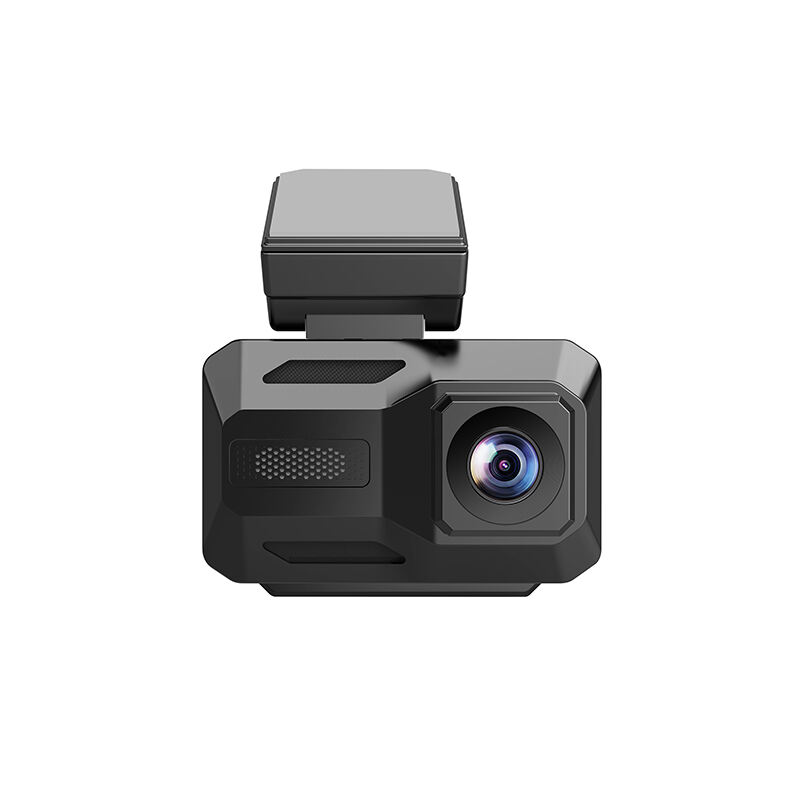
Modern vehicle security has evolved significantly with the introduction of advanced dash cam technology, particularly the development of parking mode functionality. A parking mode dash cam represents a crucial advancement in automotive surveillance, providing continuous protection for your vehicle even when you're not behind the wheel. This sophisticated feature transforms a standard dashboard camera into a comprehensive security system that monitors your parked vehicle around the clock, detecting potential threats and capturing evidence of incidents that occur while you're away.
The concept of parking surveillance has become increasingly important in urban environments where vehicle vandalism, theft attempts, and parking lot accidents are common occurrences. Traditional dash cameras only function when the vehicle's ignition is active, leaving a significant security gap during the hours when your car sits unattended. Parking mode technology bridges this gap by maintaining surveillance capabilities through various activation methods and power management systems designed to protect your vehicle's battery while ensuring continuous monitoring.
Understanding how parking mode operates and its various applications can help vehicle owners make informed decisions about their security needs. This comprehensive guide explores the technical aspects, benefits, installation considerations, and practical applications of parking mode technology in modern dash cam systems, providing valuable insights for anyone considering this enhanced level of vehicle protection.
Understanding Parking Mode Technology
Core Functionality and Operation
Parking mode functionality in dash cameras operates through sophisticated motion detection and impact sensing technologies that remain active when the vehicle's engine is turned off. The system typically utilizes built-in G-sensors, also known as accelerometers, which can detect sudden movements, vibrations, or impacts that may indicate someone is tampering with or damaging your vehicle. When these sensors detect unusual activity, the camera automatically begins recording, capturing crucial footage that could serve as evidence in insurance claims or legal proceedings.
The technology behind parking mode dash cam systems involves multiple detection methods working in conjunction. Motion detection algorithms analyze the camera's field of view for movement patterns that suggest potential threats, while impact sensors monitor for physical disturbances to the vehicle. Advanced systems may also incorporate time-lapse recording, which captures periodic snapshots or short video clips at predetermined intervals, providing a comprehensive overview of activity around your parked vehicle throughout extended periods.
Power management represents another critical aspect of parking mode operation. These systems must balance continuous monitoring capabilities with battery preservation to avoid draining your vehicle's electrical system. Most modern parking mode dash cams incorporate intelligent power management features that monitor battery voltage and automatically adjust recording settings or shut down completely when battery levels reach predetermined thresholds, ensuring your vehicle will start normally when you return.
Detection Sensitivity and Customization
Modern parking mode systems offer adjustable sensitivity settings that allow users to customize detection parameters based on their specific environment and security needs. High sensitivity settings may trigger recordings for minor vibrations such as strong winds or nearby traffic, while lower sensitivity settings focus on more significant impacts or movements that likely indicate genuine security concerns. This customization capability ensures that the system captures relevant incidents while minimizing false alarms that could quickly fill storage space with unnecessary footage.
Environmental factors play a crucial role in determining optimal sensitivity settings for parking mode operation. Urban parking environments with heavy pedestrian traffic and nearby construction may require different sensitivity levels compared to suburban residential driveways or secure parking garages. Understanding these environmental considerations helps users optimize their parking mode settings for maximum effectiveness while avoiding excessive battery drain from constant false triggering.
Advanced parking mode systems may also incorporate zone-based detection, allowing users to specify particular areas within the camera's field of view for monitoring. This selective monitoring capability proves especially useful in situations where certain areas consistently generate false alarms, such as tree branches moving in the wind or regular pedestrian traffic in adjacent areas that don't pose security risks to the vehicle.
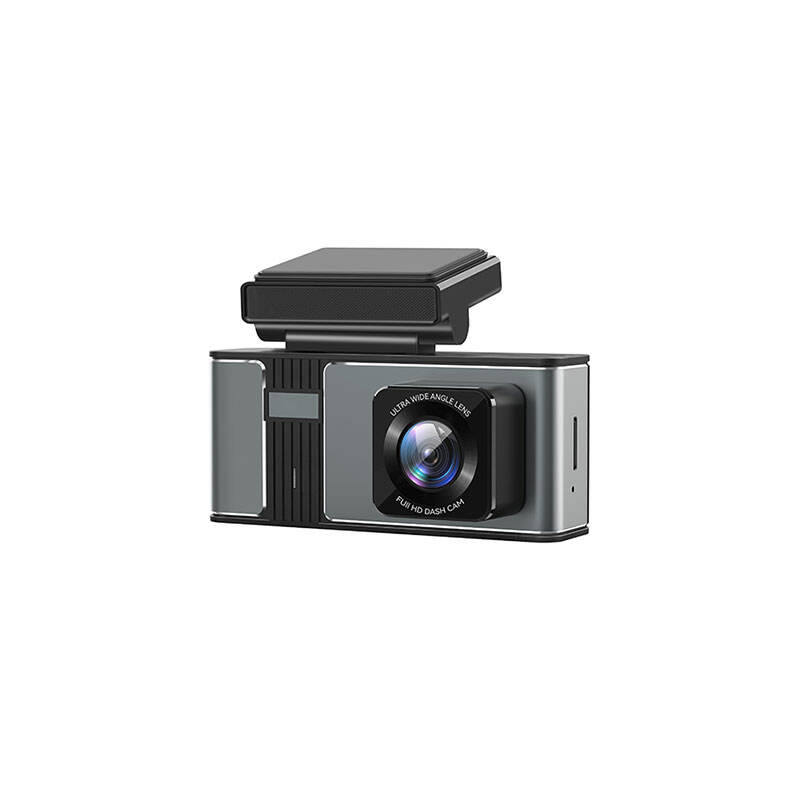
Power Supply Solutions for Parking Mode
Hardwire Installation Benefits
Hardwiring a parking mode dash cam directly to your vehicle's electrical system provides the most reliable and convenient power solution for extended surveillance periods. This installation method connects the camera to both constant power and ignition-switched power sources, allowing the system to operate continuously while implementing intelligent power management to protect the vehicle's battery. Professional hardwire installations typically include fuse tap connections and voltage monitoring capabilities that ensure safe operation without risking battery depletion.
The hardwire approach eliminates the need for manual camera activation or external battery management, creating a seamless user experience where parking mode automatically engages whenever the vehicle is turned off. This installation method also provides cleaner cable routing compared to plug-in power adapters, reducing visual clutter in the vehicle's interior while ensuring reliable power connections that won't accidentally disconnect during normal vehicle operation.
Voltage cutoff features in hardwired systems represent a critical safety component that monitors the vehicle's battery voltage and automatically disables recording when levels drop to predetermined thresholds. These cutoff settings are typically adjustable, allowing users to set conservative voltage limits for older batteries or more aggressive settings for newer, high-capacity batteries, ensuring optimal balance between surveillance duration and reliable vehicle starting capability.
Battery Pack Alternatives
External battery packs offer an alternative power solution for parking mode operation, particularly useful for vehicles where hardwiring installation may be impractical or undesirable. High-capacity lithium battery packs can provide several hours or even days of continuous parking mode operation, depending on the camera's power consumption and recording settings. These portable power solutions allow for flexible installation without permanent modifications to the vehicle's electrical system.
Battery pack systems require more active management compared to hardwired installations, as users must monitor charge levels and recharge the batteries periodically to maintain continuous protection. However, this approach provides complete independence from the vehicle's electrical system, eliminating any risk of battery drain while offering the flexibility to move the entire system between different vehicles as needed.
Modern battery packs designed specifically for dash cam applications often include intelligent charging circuits, USB connectivity for easy recharging, and capacity indicators that help users monitor remaining power levels. Some advanced battery systems even incorporate pass-through charging capabilities, allowing the battery to charge while simultaneously powering the camera, providing uninterrupted operation during short stops.
Security Benefits and Applications
Vandalism and Theft Protection
Parking mode dash cams serve as powerful deterrents against vehicle vandalism and theft attempts, providing both active monitoring and evidence collection capabilities. The mere presence of a visible dash camera can discourage potential vandals or thieves, while the parking mode functionality ensures that any criminal activity is captured on video regardless of whether the vehicle owner is present. This documentation proves invaluable for insurance claims, police reports, and potential legal proceedings resulting from vehicle damage or theft attempts.
The rapid activation capabilities of parking mode systems ensure that critical moments of criminal activity are captured, including clear images of perpetrators' faces, license plates of getaway vehicles, and detailed documentation of the damage or theft process. This evidence significantly improves the likelihood of successful insurance claims and criminal prosecutions, while also providing peace of mind for vehicle owners who frequently park in high-risk areas.
Beyond documenting criminal activity, parking mode recordings can also capture attempts at vehicle break-ins that may not result in successful theft but could cause damage to locks, windows, or other vehicle components. This comprehensive documentation helps vehicle owners understand the full extent of security threats their vehicles face and make informed decisions about additional security measures or parking location changes.
Hit-and-Run Incident Documentation
Parking mode functionality proves particularly valuable in documenting hit-and-run incidents that occur in parking lots, on streets, or in other locations where vehicles are left unattended. Traditional security cameras in parking facilities may not capture incidents from optimal angles or may not be present at all, making dash cam footage the only available evidence of accident details. Parking mode recordings can capture license plate numbers, driver descriptions, and accident dynamics that prove crucial for insurance claims and legal proceedings.
The multi-angle coverage provided by front and rear parking mode cameras creates comprehensive documentation of incidents that may occur from any direction around the parked vehicle. This 360-degree protection ensures that even glancing impacts or side-swipe accidents are properly documented, providing clear evidence of fault determination and damage causation that significantly strengthens insurance claims and legal cases.
Time-stamped parking mode footage also provides crucial context for incident reconstruction, showing pre-impact conditions, the actual collision, and post-impact behavior of involved parties. This detailed timeline proves especially valuable when dealing with disputes about accident circumstances or when other parties attempt to deny responsibility for damages.
Installation and Setup Considerations
Professional Installation Advantages
Professional installation of parking mode dash cam systems ensures proper integration with vehicle electrical systems and optimal camera positioning for maximum coverage and effectiveness. Certified installers possess the technical knowledge to identify appropriate power sources, fuse ratings, and wiring routes that maintain vehicle warranty compliance while providing reliable parking mode operation. Professional installation also typically includes voltage cutoff calibration and system testing to ensure proper operation under various conditions.
The complexity of modern vehicle electrical systems makes professional installation particularly important for newer cars with sophisticated computer networks and power management systems. Improper installation attempts could potentially interfere with vehicle electronics or void warranty coverage, making professional installation a worthwhile investment for protecting both the dash cam system and the vehicle itself.
Professional installers can also provide valuable guidance on camera positioning, sensitivity settings, and ongoing maintenance requirements that maximize the effectiveness of parking mode functionality. Their experience with various vehicle types and parking scenarios helps ensure optimal system configuration for specific user needs and environmental conditions.
DIY Installation Considerations
Do-it-yourself installation of parking mode systems is possible for technically inclined users who understand vehicle electrical systems and proper safety procedures. DIY installation requires careful attention to fuse ratings, wire gauge selection, and proper grounding techniques to ensure safe operation without risking damage to vehicle electronics or creating fire hazards. Comprehensive installation guides and quality wiring kits can help DIY installers achieve professional-grade results.
The primary challenges in DIY parking mode installation involve identifying appropriate power sources and routing cables through vehicle interior panels without causing damage or creating safety hazards. Modern vehicles often require specific tools and techniques for panel removal and cable routing, making thorough research and preparation essential for successful DIY installation projects.
DIY installers must also understand voltage cutoff settings and battery protection features to avoid inadvertently draining vehicle batteries or creating situations where the vehicle won't start. Testing procedures and voltage monitoring tools help ensure proper system operation and identify potential issues before they cause problems with normal vehicle operation.
Optimizing Parking Mode Performance
Storage Management and Recording Settings
Effective storage management represents a critical aspect of parking mode optimization, as continuous monitoring can quickly consume available memory card space without proper configuration. Loop recording features ensure that older footage is automatically overwritten when storage capacity is reached, while event-based recording prioritizes important incidents over routine monitoring footage. Understanding these storage management options helps users maximize recording duration while preserving critical evidence.
Recording quality settings significantly impact both storage consumption and battery life during parking mode operation. Lower resolution settings extend recording duration and reduce power consumption but may compromise evidence quality, while higher resolution settings provide clearer footage at the cost of shorter recording periods and faster battery drain. Balancing these factors based on specific security needs and environmental conditions optimizes overall system performance.
Advanced storage management features may include cloud connectivity for automatic footage backup, smartphone notifications for significant events, and remote monitoring capabilities that allow users to check their vehicle's status from distant locations. These connected features enhance the value of parking mode systems while providing additional peace of mind for vehicle owners.
Environmental Adaptation Strategies
Different parking environments require specific optimization strategies to maximize parking mode effectiveness while minimizing false alarms and unnecessary battery consumption. High-traffic areas may benefit from reduced sensitivity settings and shorter recording clips to avoid filling storage with routine activity, while isolated parking locations might utilize maximum sensitivity settings to capture any unusual activity around the vehicle.
Weather conditions significantly influence parking mode performance, with extreme temperatures affecting battery life and camera operation. Cold weather reduces battery capacity and may require adjusted voltage cutoff settings, while hot climates can cause camera overheating and may necessitate different mounting locations or thermal management considerations. Understanding these environmental factors helps users adapt their parking mode configurations for optimal year-round operation.
Seasonal adjustments to parking mode settings account for changing daylight hours, weather patterns, and activity levels in parking areas. Summer configurations might emphasize night recording capabilities, while winter settings could focus on conserving battery power during extended cold periods when battery performance naturally degrades.
FAQ
How long can a parking mode dash cam record continuously?
The recording duration depends on several factors including power source, storage capacity, and recording settings. Hardwired systems can typically record for 12-24 hours or more depending on battery cutoff settings, while external battery packs may provide 6-48 hours of operation based on capacity and camera power consumption. Storage capacity also affects duration, with larger memory cards allowing for longer recording periods before loop recording overwrites older footage.
Will parking mode drain my car battery?
Properly configured parking mode systems include voltage monitoring and automatic cutoff features that prevent excessive battery drain. Most systems allow users to set voltage thresholds that ensure sufficient battery power remains for reliable vehicle starting. However, older or weak batteries may require more conservative cutoff settings, and extended parking periods in extreme temperatures may require additional consideration of battery condition and capacity.
Can parking mode work without hardwiring the dash cam?
Yes, parking mode can operate using external battery packs or portable power sources that don't require hardwiring to the vehicle's electrical system. While these solutions provide flexibility and avoid permanent installation, they require regular recharging and monitoring to maintain continuous protection. Some users prefer this approach for rental vehicles or situations where hardwiring isn't practical or permitted.
Do I need special memory cards for parking mode recording?
High-endurance or surveillance-grade memory cards are recommended for parking mode applications due to the constant write cycles involved in continuous recording. These specialized cards are designed to handle frequent overwrites and extended operation periods better than standard memory cards. Proper card formatting and regular maintenance also help ensure reliable operation and prevent data corruption during extended parking mode sessions.

