
 EN
EN
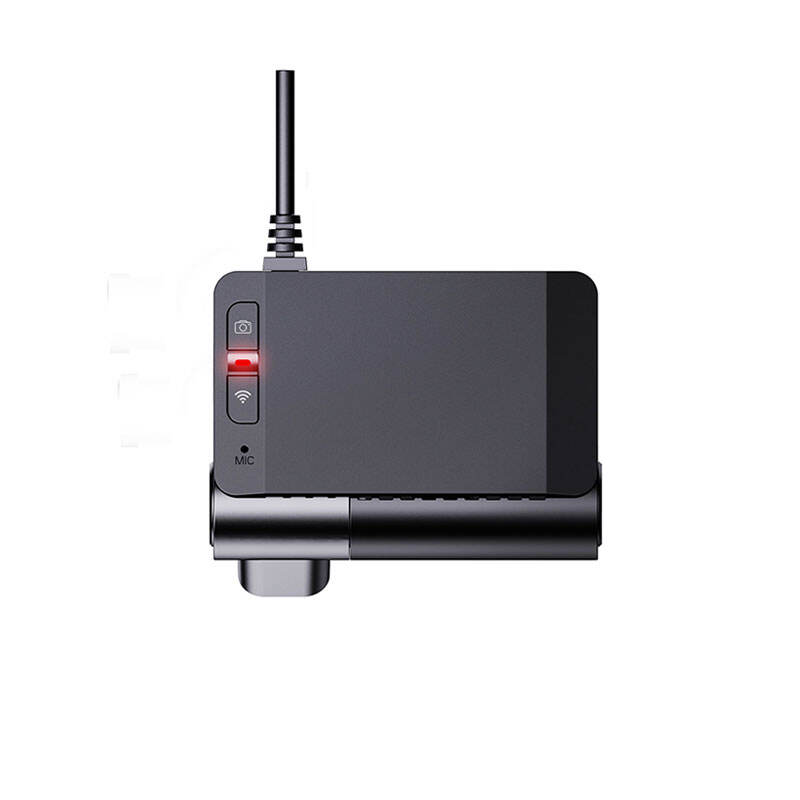
Modern parking challenges require advanced technological solutions, and display parking sensors have emerged as one of the most effective tools for enhancing vehicle safety and driver confidence. These sophisticated automotive accessories combine traditional ultrasonic detection capabilities with visual feedback systems, creating a comprehensive parking assistance experience that goes far beyond basic audio alerts. Display parking sensors represent a significant evolution in automotive safety technology, offering drivers real-time visual information about their vehicle's proximity to obstacles during parking maneuvers.
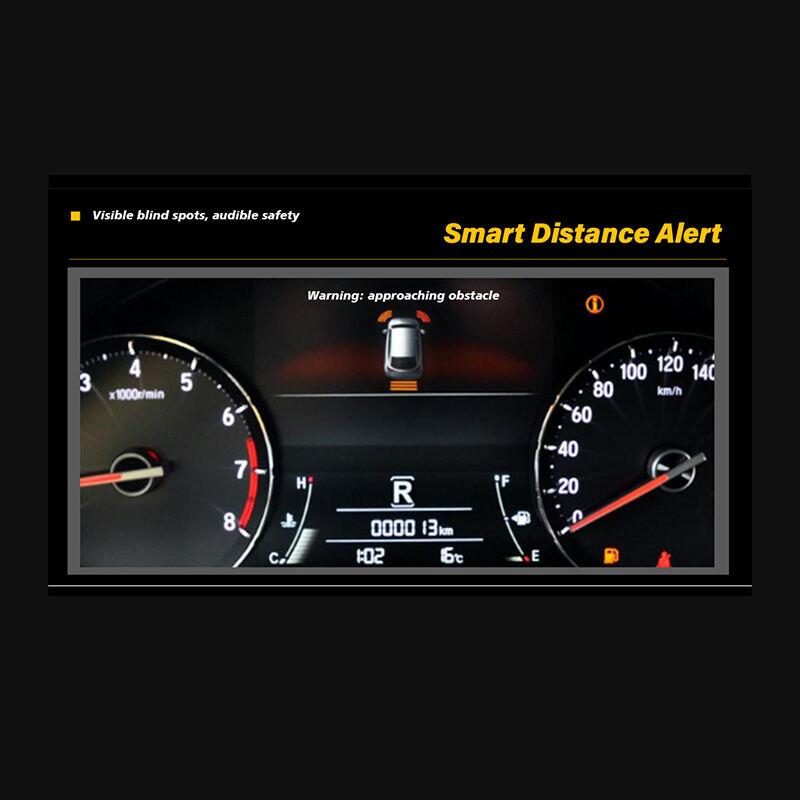
The integration of visual display technology with parking sensors has revolutionized how drivers approach parking situations, particularly in crowded urban environments where space is at a premium. Unlike conventional parking sensors that rely solely on audible beeps, display parking sensor systems provide precise distance measurements and visual representations of obstacles, enabling drivers to make more informed decisions during parking operations.
Enhanced Safety and Accident Prevention
Reduced Risk of Collision Damage
Display parking sensors significantly reduce the likelihood of parking-related accidents by providing accurate distance measurements between your vehicle and surrounding obstacles. Traditional parking methods often rely on driver estimation and mirrors alone, which can lead to miscalculations and costly damage. The visual feedback from a display parking sensor eliminates guesswork by showing exact distances in real-time, typically measured in centimeters or inches.
The precision offered by these systems is particularly valuable when parking near expensive vehicles, delicate structures, or in tight spaces where even minor contact could result in significant repair costs. Professional drivers and fleet operators have reported substantial reductions in insurance claims and repair expenses after implementing display parking sensor technology across their vehicle fleets.
Protection for Pedestrians and Cyclists
Beyond protecting vehicles and property, display parking sensors play a crucial role in pedestrian and cyclist safety. These systems can detect moving objects within their range, alerting drivers to the presence of people or bicycles that might not be visible through mirrors or cameras. This capability is especially important in busy parking areas, school zones, and urban environments where foot traffic is common.
The visual nature of display parking sensor alerts ensures that drivers receive immediate feedback about potential hazards, even in noisy environments where audio alerts might be missed. This enhanced awareness contributes to overall road safety and helps prevent tragic accidents involving vulnerable road users.
Improved Parking Precision and Efficiency
Optimal Space Utilization
Display parking sensors enable drivers to maximize the use of available parking space by providing precise measurements that allow for optimal vehicle positioning. In commercial parking facilities and residential areas where space is limited, the ability to park with millimeter precision can mean the difference between fitting into a space or having to search for an alternative location.
The visual feedback system shows drivers exactly how much space remains on all sides of their vehicle, allowing them to position their car as close as safely possible to boundaries, curbs, or other vehicles. This precision is particularly valuable for delivery drivers, commercial vehicle operators, and anyone who frequently parks in challenging urban environments.
Reduced Parking Time and Stress
The confidence provided by a display parking sensor system translates directly into faster, more efficient parking operations. Drivers no longer need to exit their vehicle multiple times to check clearances or rely on passenger assistance for guidance. The real-time visual feedback allows for smooth, continuous parking maneuvers that save time and reduce traffic congestion in parking areas.
This efficiency benefit extends beyond individual convenience to impact broader traffic flow patterns. When drivers can park quickly and confidently, it reduces bottlenecks in parking facilities and creates a better experience for all users. Shopping centers, airports, and other high-traffic venues have noted improved customer satisfaction and reduced complaints related to parking difficulties after encouraging the use of advanced parking assistance technologies.
Advanced Technology Integration
Multi-Sensor System Capabilities
Modern display parking sensors often incorporate multiple detection technologies, including ultrasonic sensors, electromagnetic sensors, and sometimes even camera integration. This multi-modal approach provides comprehensive coverage around the vehicle and ensures reliable detection of various obstacle types, from solid barriers to soft materials that might not register clearly on single-technology systems.
The display unit typically shows a bird's-eye view or rear-view representation of the vehicle with color-coded proximity indicators that change from green to yellow to red as obstacles become closer. Some advanced display parking sensor systems even provide numerical distance readings and can distinguish between different types of obstacles, offering enhanced situational awareness for the driver.
Customizable Alert Systems
Display parking sensors offer extensive customization options that allow drivers to tailor the system behavior to their specific needs and preferences. Users can typically adjust sensitivity levels, modify visual alert patterns, and set custom distance thresholds for different types of warnings. This flexibility ensures that the system works optimally for various vehicle sizes, driving styles, and parking environments.
Professional applications often benefit from advanced configuration options that allow fleet managers to standardize settings across multiple vehicles or adjust parameters based on specific operational requirements. The ability to fine-tune display parking sensor behavior ensures maximum effectiveness while minimizing false alarms or unnecessary alerts.
Installation and Maintenance Benefits
Professional Installation Advantages
While display parking sensor systems may seem complex, professional installation typically involves straightforward procedures that can be completed without major modifications to the vehicle. Most systems are designed to integrate seamlessly with existing vehicle electronics and can often utilize factory-installed wiring harnesses where available.
Professional installers ensure optimal sensor placement for maximum coverage and accuracy, taking into account vehicle-specific factors such as bumper design, exhaust system configuration, and trailer hitch presence. Proper installation is crucial for display parking sensor performance, as incorrectly positioned sensors can create blind spots or generate false readings that diminish system effectiveness.
Long-term Reliability and Support
Quality display parking sensor systems are engineered for long-term reliability in automotive environments, with weatherproof components and robust construction that withstands temperature extremes, moisture, and road debris. Regular maintenance requirements are typically minimal, involving periodic cleaning of sensor surfaces and occasional calibration checks to ensure continued accuracy.
Many display parking sensor manufacturers provide comprehensive warranty coverage and technical support services that help users maximize their investment over the product lifecycle. This support infrastructure is particularly valuable for commercial applications where system downtime can impact business operations and productivity.
Cost-Effectiveness and Return on Investment
Insurance and Liability Benefits
The installation of display parking sensor systems can often lead to reduced insurance premiums for both individual drivers and commercial fleet operators. Insurance companies recognize the proven safety benefits of these technologies and may offer discounts to policyholders who demonstrate proactive approaches to accident prevention.
Beyond premium reductions, display parking sensors provide substantial protection against liability claims related to parking incidents. The enhanced awareness and precision these systems provide can prevent accidents that might otherwise result in expensive legal proceedings and reputation damage, particularly important considerations for businesses that operate vehicle fleets.
Vehicle Value Enhancement
Display parking sensor systems can enhance vehicle resale value by adding desirable safety and convenience features that appeal to potential buyers. As these technologies become increasingly standard in new vehicles, aftermarket installations help maintain competitive positioning in the used vehicle market.
The perception of enhanced safety and technological sophistication associated with display parking sensor installations can also improve driver recruitment and retention for commercial operations, where professional drivers increasingly expect access to advanced safety technologies as part of their working conditions.
FAQ
How accurate are display parking sensor measurements
Display parking sensor systems typically provide accuracy within 2-3 centimeters under optimal conditions. The precision can vary based on environmental factors such as temperature, surface texture of detected objects, and sensor quality. High-end systems often achieve even greater accuracy through advanced signal processing and multi-sensor fusion technologies.
Can display parking sensors work in all weather conditions
Quality display parking sensor systems are designed to function reliably in various weather conditions including rain, snow, and fog. However, extreme conditions such as heavy ice buildup on sensors or dense fog may temporarily affect performance. Most systems include self-diagnostic capabilities that alert users to potential environmental interference.
Do display parking sensors require professional installation
While some display parking sensor systems offer DIY installation options, professional installation is generally recommended to ensure optimal performance and warranty compliance. Professional installers have the expertise to properly position sensors, integrate with vehicle electronics, and calibrate the system for maximum accuracy and reliability.
What maintenance do display parking sensors require
Display parking sensor maintenance typically involves regular cleaning of sensor surfaces to remove dirt and debris, periodic checks of wiring connections, and occasional system calibration. Most modern systems are designed for minimal maintenance requirements, with many components rated for the vehicle's operational lifetime under normal use conditions.

