
 EN
EN
Vehicle safety has evolved dramatically with the introduction of advanced parking sensors that transform how drivers navigate tight spaces and reverse parking scenarios. Modern parking sensors utilize sophisticated ultrasonic technology to detect obstacles, providing drivers with precise distance measurements and audible warnings that significantly reduce the risk of collisions and property damage. These intelligent systems have become essential components in contemporary automotive safety, offering real-time feedback that enhances driver confidence and vehicle protection in challenging parking situations.
Understanding Advanced Parking Sensor Technology
Ultrasonic Detection Principles
Parking sensors operate on ultrasonic wave transmission principles, emitting high-frequency sound waves that bounce off nearby objects and return to the sensor units for processing. This sophisticated detection method allows parking sensors to calculate precise distances between the vehicle and potential obstacles with remarkable accuracy. The ultrasonic technology employed in modern parking sensors can detect objects ranging from solid barriers like walls and poles to smaller items such as bicycles or shopping carts that might otherwise go unnoticed during parking maneuvers.
The effectiveness of parking sensors depends on their ability to process reflected sound waves within milliseconds, converting acoustic data into meaningful distance measurements that drivers can interpret instantly. Advanced parking sensors feature multiple detection zones that create a comprehensive safety perimeter around the vehicle, ensuring that even irregularly shaped obstacles are detected reliably. This technology has proven particularly valuable in urban environments where parking spaces are increasingly confined and the margin for error continues to shrink.
Multi-Zone Coverage Systems
Contemporary parking sensors incorporate multi-zone coverage that divides the detection area into distinct segments, each providing specific distance information and warning levels. This segmented approach allows parking sensors to differentiate between immediate threats requiring urgent attention and distant objects that pose minimal risk during parking procedures. The multi-zone functionality ensures that drivers receive graduated warnings, with alert intensity increasing as proximity to obstacles decreases, creating an intuitive feedback system that enhances parking precision.
Professional-grade parking sensors often feature customizable zone configurations that can be adjusted to accommodate different vehicle sizes and parking preferences. These adaptive systems recognize that commercial vehicles, SUVs, and compact cars have varying spatial requirements and detection needs. The flexibility of modern parking sensors allows for personalized safety profiles that optimize warning sensitivity based on individual driving patterns and vehicle specifications.
Installation and Configuration Benefits
Professional Installation Advantages
Professional installation of parking sensors ensures optimal sensor placement that maximizes detection coverage while maintaining vehicle aesthetics and functionality. Experienced technicians understand the precise mounting angles and positioning requirements that enable parking sensors to operate at peak efficiency without interference from vehicle design elements or environmental factors. Proper installation eliminates common issues such as sensor misalignment, inadequate coverage areas, or false readings that can compromise system reliability.
The installation process for quality parking sensors involves careful consideration of sensor height, spacing, and orientation to create seamless integration with existing vehicle systems. Professional installers ensure that parking sensors are positioned to avoid interference from exhaust systems, trailer hitches, or decorative elements that might obstruct detection capabilities. This attention to installation detail directly impacts the long-term performance and reliability of parking sensors in real-world driving conditions.
System Calibration and Optimization
Calibration procedures for parking sensors involve fine-tuning sensitivity levels and response parameters to match specific vehicle characteristics and driver preferences. This optimization process ensures that parking sensors provide consistent and accurate feedback across various parking scenarios, from tight urban spaces to open parking lots with different surface conditions. Proper calibration eliminates nuisance alerts while maintaining sensitivity to genuine obstacles that pose collision risks.
Advanced parking sensors feature self-diagnostic capabilities that monitor system performance and alert users to potential maintenance needs or calibration drift. These intelligent monitoring functions help maintain optimal sensor performance throughout the system's operational life, ensuring that parking sensors continue delivering reliable safety benefits regardless of environmental exposure or normal wear patterns.
Enhanced Safety Features and Applications
Collision Prevention Mechanisms
Modern parking sensors incorporate sophisticated collision prevention mechanisms that extend beyond simple proximity warnings to include automatic braking integration and steering assistance features. These advanced safety systems can intervene when parking sensors detect imminent collision threats that drivers might not perceive in time to avoid contact. The integration of parking sensors with vehicle stability systems creates comprehensive safety networks that protect both the vehicle and surrounding property during parking operations.
The collision prevention capabilities of advanced parking sensors include predictive analysis that considers vehicle speed, steering angle, and obstacle proximity to determine potential impact scenarios before they occur. This proactive approach allows parking sensors to provide earlier warnings and more effective intervention strategies that prevent accidents rather than simply alerting drivers to existing dangers. Such preventive functionality has proven especially valuable for commercial fleet operators who prioritize accident reduction and insurance cost management.
Weather Resistance and Durability
High-quality parking sensors feature robust weather resistance that maintains reliable operation across diverse environmental conditions, from extreme temperatures to heavy precipitation and road salt exposure. The durability of parking sensors directly impacts their long-term value proposition, as reliable performance throughout various weather conditions ensures consistent safety benefits regardless of seasonal challenges. Weather-sealed sensor housings protect delicate electronic components from moisture infiltration and corrosive elements that could compromise detection accuracy.
The construction materials used in premium parking sensors include UV-resistant plastics and corrosion-resistant metals that withstand prolonged exposure to automotive environments without degradation. These durable materials ensure that parking sensors maintain their appearance and functionality throughout extended service lives, providing sustained value for vehicle owners who depend on consistent safety performance. The longevity of well-constructed parking sensors makes them cost-effective safety investments that deliver reliable protection for years.
Integration with Vehicle Systems
Dashboard Display Integration
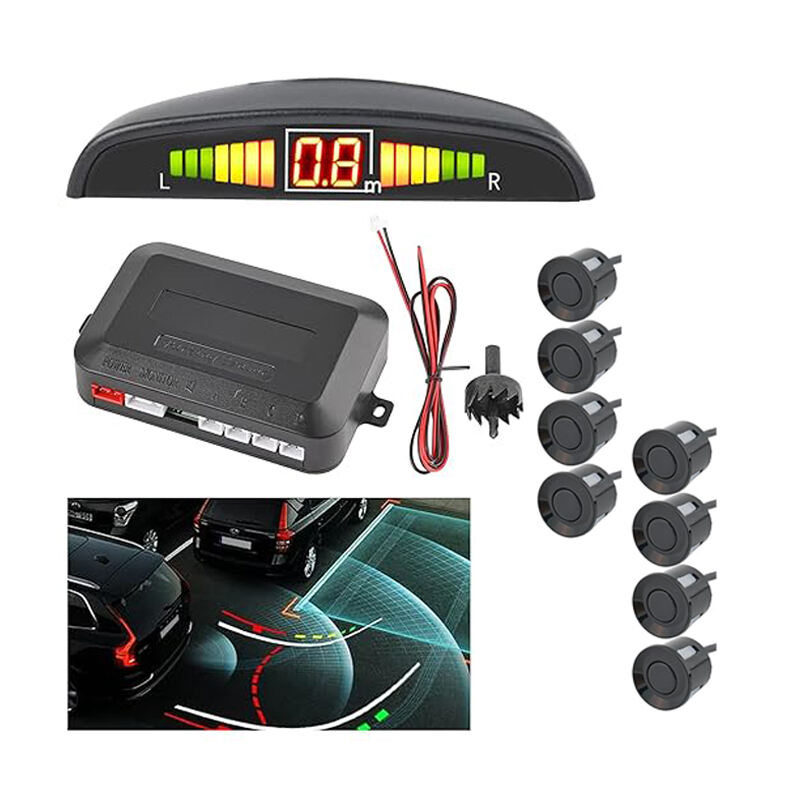
Contemporary parking sensors integrate seamlessly with vehicle dashboard displays to provide visual representations of obstacle proximity and detection zones alongside traditional audio warnings. This visual feedback system allows drivers to quickly assess parking situations without relying solely on audible alerts that might be difficult to interpret in noisy environments. Dashboard integration transforms parking sensors from simple warning devices into comprehensive parking assistance systems that enhance driver situational awareness.
The visual display capabilities of integrated parking sensors include color-coded distance indicators, obstacle mapping, and trajectory guidance that help drivers understand optimal parking approaches and potential problem areas. These sophisticated display features make parking sensors more intuitive and user-friendly, particularly for drivers who are new to sensor-equipped vehicles or those operating unfamiliar vehicle types. Visual integration enhances the overall effectiveness of parking sensors by providing multiple feedback channels that reinforce safety messages.
Backup Camera Coordination
Advanced parking sensors coordinate with backup camera systems to create comprehensive rear-view safety networks that combine visual and acoustic feedback for maximum awareness during reverse parking operations. This coordination allows parking sensors to highlight detected obstacles on camera displays while providing distance measurements that cameras alone cannot deliver reliably. The synergy between parking sensors and backup cameras addresses the limitations of each individual system while amplifying their collective safety benefits.
The integration of parking sensors with backup cameras enables dynamic display overlays that show detection zones and distance measurements directly on camera feeds, creating intuitive visual guidance systems. This combined approach helps drivers understand exactly where obstacles are located relative to their vehicle position, improving parking accuracy and reducing the likelihood of misjudging distances during critical maneuvering phases. Such coordination represents the evolution of parking sensors from standalone warning devices to integral components of comprehensive vehicle safety systems.
Commercial and Fleet Applications
Fleet Management Benefits
Commercial fleet operators have discovered significant value in equipping vehicles with professional-grade parking sensors that reduce accident rates, insurance claims, and vehicle downtime associated with parking-related damage. Fleet parking sensors provide quantifiable safety improvements that translate directly into operational cost savings and improved driver safety records. The return on investment for fleet parking sensors typically materializes quickly through reduced repair costs and lower insurance premiums that recognize enhanced safety equipment.
Fleet management systems can integrate parking sensors data to track driver performance, identify high-risk parking scenarios, and develop targeted training programs that address specific safety challenges. This data-driven approach allows fleet managers to optimize safety protocols while recognizing drivers who demonstrate consistent safe parking practices. The analytical capabilities of modern parking sensors contribute valuable insights that support comprehensive fleet safety management strategies.
Specialized Vehicle Applications
Specialized vehicles such as delivery trucks, construction equipment, and emergency response vehicles benefit tremendously from customized parking sensors configurations that address unique operational requirements and obstacle detection challenges. These specialized applications often require parking sensors with enhanced sensitivity, extended detection ranges, or modified warning patterns that accommodate specific vehicle roles and operating environments. The adaptability of modern parking sensors makes them suitable for diverse commercial applications beyond standard passenger vehicles.
The effectiveness of parking sensors in specialized applications depends on proper system specification and configuration that considers vehicle size, operational environment, and specific safety priorities. Professional-grade parking sensors can be tailored to meet the demanding requirements of commercial operations while maintaining the reliability and accuracy needed for consistent safety performance. This flexibility has made parking sensors essential safety equipment across numerous commercial vehicle categories.
FAQ
How do parking sensors work in different weather conditions
Parking sensors utilize ultrasonic technology that generally performs well across various weather conditions, though extreme weather may slightly affect detection accuracy. Rain and snow can create temporary interference, but quality parking sensors incorporate weather compensation algorithms that adjust sensitivity automatically. Professional-grade parking sensors feature weatherproof housings that protect internal components from moisture and temperature extremes, ensuring consistent operation throughout different seasonal conditions.
What is the typical detection range for automotive parking sensors
Most parking sensors provide detection ranges between 0.3 to 2.5 meters, with graduated warning zones that increase alert intensity as obstacles get closer to the vehicle. The detection range can be adjusted during installation to accommodate different vehicle types and driver preferences. Advanced parking sensors may offer extended detection ranges for larger vehicles or specialized applications, while maintaining precision at close distances where accuracy is most critical for collision prevention.
Can parking sensors be installed on any vehicle type
Parking sensors can be installed on virtually any vehicle type, from compact cars to large commercial trucks, though installation complexity may vary based on vehicle design and bumper configuration. Professional installation ensures optimal sensor placement regardless of vehicle type, with custom mounting solutions available for challenging installations. The versatility of modern parking sensors makes them suitable for aftermarket installation on older vehicles as well as integration with new vehicle purchases.
Do parking sensors require regular maintenance or calibration
Quality parking sensors require minimal maintenance beyond periodic cleaning to remove dirt and debris that might obstruct sensor faces, though professional systems may benefit from annual calibration checks to maintain optimal accuracy. Most parking sensors feature self-diagnostic capabilities that alert users to potential issues before they affect performance. Regular inspection of sensor housings and connections helps ensure long-term reliability, while professional maintenance can address any calibration drift that might occur over extended use periods.

