
 EN
EN
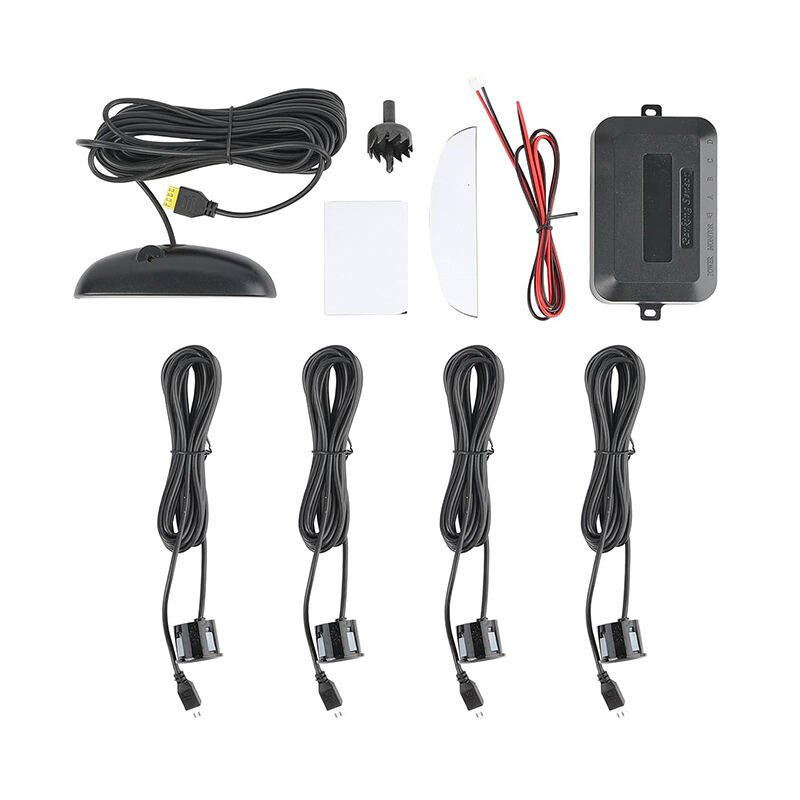
Modern automotive technology has revolutionized the way drivers navigate tight parking spaces and crowded urban environments. Vehicle parking sensors with digital display represent one of the most significant advances in automotive safety and convenience systems. These sophisticated devices combine ultrasonic or electromagnetic sensing technology with clear digital readouts to provide drivers with real-time feedback about obstacles and distances while parking. The integration of digital displays has transformed traditional beeping sensors into comprehensive parking assistance systems that offer precise distance measurements and visual guidance.
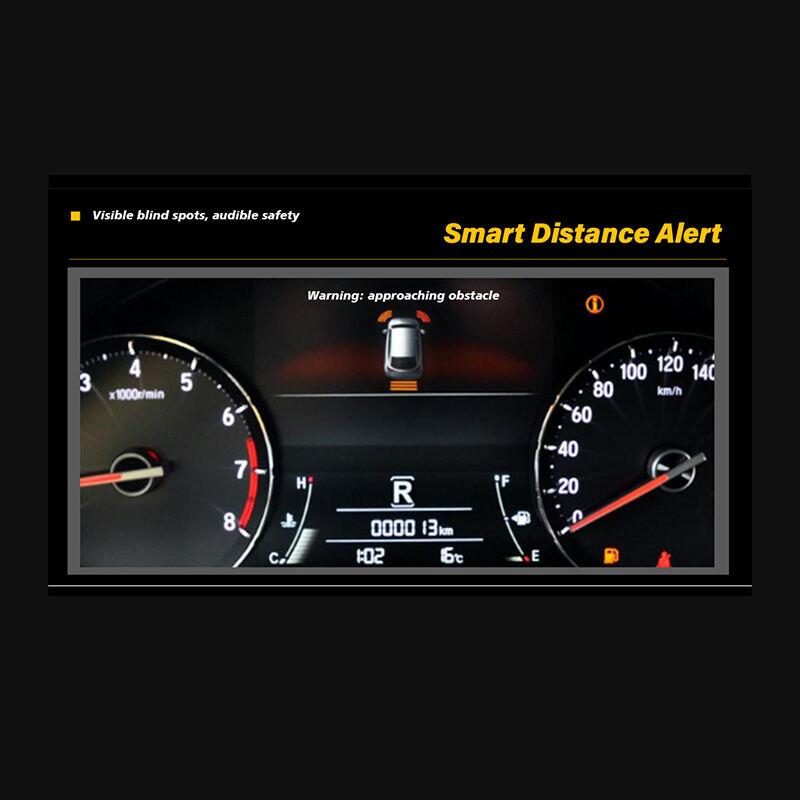
The automotive aftermarket has witnessed tremendous growth in parking sensor technology over the past decade. Professional installers and vehicle owners increasingly prefer systems that combine multiple sensing technologies with intuitive digital interfaces. These advanced systems not only detect obstacles but also provide visual representations of the vehicle's surroundings through LCD or LED displays. The enhanced visibility and accuracy offered by digital displays make parking in challenging conditions significantly safer and more manageable for drivers of all experience levels.
Contemporary vehicle parking sensors with digital display systems utilize advanced microprocessor technology to process sensor data and convert it into meaningful visual information. The digital displays can show distance measurements in real-time, often with color-coded warnings that change from green to yellow to red as obstacles get closer. This visual feedback system complements traditional audio alerts and provides drivers with more comprehensive situational awareness during parking maneuvers.
Advanced Technology Integration in Modern Parking Sensor Systems
Ultrasonic Sensor Technology and Digital Processing
The foundation of effective vehicle parking sensors with digital display systems lies in their ultrasonic sensing technology. These sensors emit high-frequency sound waves that bounce off nearby objects and return to the sensor, allowing the system to calculate precise distances. Modern digital processing units can analyze multiple sensor inputs simultaneously, creating a comprehensive picture of the vehicle's immediate surroundings. The integration of microcontrollers enables real-time data processing and instant display updates, ensuring drivers receive immediate feedback about changing conditions.
Advanced ultrasonic sensors operate at frequencies typically ranging from 40 kHz to 48 kHz, providing excellent detection accuracy for objects within the parking zone. The digital processing systems can filter out environmental noise and false signals, ensuring reliable performance in various weather conditions. Temperature compensation algorithms adjust sensor sensitivity based on ambient conditions, maintaining consistent accuracy whether parking in summer heat or winter cold.
Digital Display Technologies and User Interface Design
Contemporary digital displays for parking sensor systems employ various technologies including LCD, LED, and OLED screens to present information clearly to drivers. High-contrast displays ensure visibility in different lighting conditions, from bright sunlight to nighttime parking scenarios. The user interface design focuses on intuitive information presentation, with distance readings, directional indicators, and warning zones clearly marked. Many systems feature customizable display settings that allow drivers to adjust brightness, color schemes, and information density according to their preferences.
The ergonomic placement of digital displays within the vehicle cabin plays a crucial role in system effectiveness. Most installations position the display within the driver's natural line of sight, minimizing distraction while maximizing information accessibility. Advanced systems may include multiple display options, such as dashboard-mounted units, rearview mirror integration, or heads-up display compatibility.
Installation Considerations and System Configuration
Professional Installation Requirements and Best Practices
Installing vehicle parking sensors with digital display systems requires careful planning and technical expertise to ensure optimal performance. Professional installers must consider vehicle-specific factors such as bumper design, electrical system compatibility, and sensor placement angles. The installation process typically involves drilling precision holes for sensor mounting, routing wiring harnesses through the vehicle's structure, and integrating the digital display with the existing electrical system. Proper sensor alignment and calibration are critical for accurate distance measurements and reliable obstacle detection.
Modern installation techniques utilize specialized tools and equipment to ensure clean, professional results. Waterproof connections and proper cable management protect the system from environmental factors and vehicle vibrations. Quality installations include thorough testing procedures to verify sensor functionality, display accuracy, and system integration with vehicle operations such as reverse gear engagement and ignition cycling.
System Calibration and Performance Optimization
Calibrating vehicle parking sensors with digital display systems involves fine-tuning sensor sensitivity, adjusting detection zones, and configuring display parameters for optimal performance. Professional calibration ensures accurate distance readings across the entire detection range and eliminates false alarms caused by environmental factors or vehicle-specific characteristics. The calibration process includes testing sensor response to various obstacle types, materials, and sizes to ensure comprehensive detection coverage.
Performance optimization extends beyond initial calibration to include ongoing maintenance and adjustment procedures. Regular system checks verify sensor cleanliness, electrical connections, and display functionality. Advanced systems may include self-diagnostic features that monitor sensor performance and alert users to potential issues before they affect system reliability.
Market Applications and Industry Benefits
Commercial Vehicle Fleet Applications
Commercial vehicle fleets have embraced vehicle parking sensors with digital display technology to improve driver safety and reduce accident-related costs. Fleet managers recognize that parking sensor systems significantly decrease the likelihood of backing accidents, property damage, and insurance claims. The digital display component provides fleet drivers with standardized visual feedback across different vehicle types and parking scenarios. Large delivery trucks, service vehicles, and commercial vans benefit particularly from enhanced spatial awareness during loading dock operations and customer site visits.
The return on investment for commercial fleet installations often justifies the initial system cost through reduced accident rates and lower insurance premiums. Fleet operators report decreased driver stress levels and improved confidence when maneuvering in tight spaces. The professional appearance of integrated digital display systems also enhances the fleet's technological image and demonstrates commitment to safety practices.
Consumer Automotive Market Trends
The consumer automotive aftermarket has shown strong demand for vehicle parking sensors with digital display systems as standard features become more expected by car buyers. Consumers appreciate the enhanced safety and convenience these systems provide, particularly in urban environments where parking spaces are increasingly challenging. The visual feedback from digital displays appeals to drivers who prefer clear, immediate information over audio-only warning systems.
Market research indicates that consumers value the professional appearance and advanced functionality of digital display parking systems. The ability to see exact distance measurements and obstacle positions gives drivers greater confidence during parking maneuvers. Many consumers view these systems as essential safety equipment rather than luxury accessories, driving continued market growth and technology development.
Performance Advantages and Operational Benefits
Enhanced Safety Features and Accident Prevention
Vehicle parking sensors with digital display systems provide multiple layers of safety enhancement that significantly reduce the risk of parking-related accidents. The combination of audio alerts and visual distance displays creates redundant warning systems that accommodate different driver preferences and environmental conditions. Digital displays remain effective in noisy environments where audio warnings might be missed, while the visual representation of obstacles helps drivers understand spatial relationships more accurately than sound alone.
Statistical data from insurance companies and fleet operators demonstrates measurable reductions in backing accidents and property damage when digital display parking systems are properly installed and utilized. The immediate feedback provided by these systems allows drivers to make corrections before contact occurs, preventing costly repairs and potential injury situations. Emergency stop features in advanced systems can even trigger automatic braking when objects are detected at critical distances.
Operational Efficiency and Driver Confidence
The operational benefits of vehicle parking sensors with digital display systems extend beyond safety to include improved efficiency and driver confidence. Drivers can park more quickly and accurately with digital distance feedback, reducing the time spent maneuvering in tight spaces. This efficiency gain is particularly valuable in commercial applications where time represents direct operating costs. The visual confirmation provided by digital displays eliminates guesswork and allows drivers to use available space more effectively.
Driver confidence improvements translate into reduced stress and fatigue during parking operations. New or inexperienced drivers benefit significantly from the guidance provided by digital display systems, allowing them to develop spatial awareness skills more rapidly. The consistent feedback helps drivers learn to judge distances accurately and develop better parking techniques over time.
Technical Specifications and System Capabilities
Sensor Range and Detection Accuracy
Modern vehicle parking sensors with digital display systems typically offer detection ranges from 0.3 meters to 2.5 meters, with accuracy levels within plus or minus 5 centimeters under optimal conditions. The sensor array configuration affects both detection range and coverage area, with four-sensor systems providing basic rear coverage and eight-sensor systems offering comprehensive front and rear protection. Digital processing algorithms can distinguish between different obstacle types and filter out ground irregularities or environmental factors that might cause false readings.
Detection accuracy varies based on obstacle characteristics such as material density, surface texture, and geometric shape. Solid objects like concrete barriers and metal poles provide the strongest reflection signals, while soft materials or irregular surfaces may require closer proximity for reliable detection. Advanced systems incorporate multiple sensing technologies to improve detection reliability across diverse obstacle types and environmental conditions.
Display Resolution and Information Presentation
Digital displays in parking sensor systems utilize various resolution standards depending on the technology employed and information complexity required. LCD displays typically offer resolutions suitable for clear distance readings and simple graphical representations, while higher-end systems may incorporate full-color displays capable of detailed obstacle mapping. The information presentation includes numeric distance readings, color-coded proximity warnings, and directional indicators showing obstacle locations relative to the vehicle.
Advanced display systems can present multiple data streams simultaneously, showing distances to obstacles in different directions along with system status indicators and diagnostic information. Customizable display options allow users to select preferred measurement units, warning thresholds, and visual presentation styles. Night mode features automatically adjust display brightness and contrast for optimal visibility in low-light conditions.
Maintenance Requirements and System Longevity
Routine Maintenance Procedures
Maintaining vehicle parking sensors with digital display systems requires regular attention to sensor cleanliness and electrical connections to ensure continued accuracy and reliability. Sensor faces should be cleaned periodically to remove dirt, ice, or debris that can interfere with ultrasonic transmission and reception. The cleaning process involves gentle washing with appropriate solvents and avoiding abrasive materials that might damage sensor surfaces or protective coatings.
Electrical connections require periodic inspection to identify corrosion, loose fittings, or wire damage that could affect system performance. Professional maintenance includes checking sensor mounting integrity, verifying display functionality, and testing system response across the full detection range. Seasonal maintenance may include additional checks for systems exposed to extreme weather conditions or harsh operating environments.
Troubleshooting Common Issues
Common issues with vehicle parking sensors with digital display systems include sensor contamination, electrical connection problems, and calibration drift over time. Troubleshooting procedures typically begin with visual inspection of sensors and wiring, followed by system diagnostic tests using specialized equipment. Many modern systems include built-in diagnostic capabilities that can identify specific sensor failures or communication issues between system components.
Environmental factors such as extreme temperatures, moisture exposure, and vibration can affect system performance and longevity. Professional troubleshooting addresses these factors through proper protective measures and component replacement when necessary. Firmware updates for digital display units may resolve compatibility issues or add new functionality to existing installations.
FAQ
What is the typical detection range for vehicle parking sensors with digital display
Vehicle parking sensors with digital display systems typically detect obstacles from 30 centimeters to 2.5 meters behind or in front of the vehicle. The exact range depends on sensor technology and configuration, with most systems providing optimal accuracy within the 0.5 to 2.0-meter range. Digital displays show precise distance measurements throughout this range, with warnings becoming more urgent as obstacles approach the minimum safe distance.
How do digital displays improve parking sensor effectiveness compared to audio-only systems
Digital displays enhance parking sensor effectiveness by providing precise distance measurements and visual obstacle location information that audio systems cannot convey. While beeping sounds indicate proximity, digital displays show exact distances in real-time, allowing drivers to position vehicles more accurately. The visual feedback remains effective in noisy environments and provides better spatial awareness for complex parking situations involving multiple obstacles.
Can vehicle parking sensors with digital display be installed on any vehicle type
Most vehicle parking sensors with digital display systems can be adapted for installation on various vehicle types, including cars, trucks, SUVs, and commercial vehicles. However, installation requirements vary based on bumper design, electrical system compatibility, and available mounting space for the digital display unit. Professional installation assessment ensures proper sensor placement and system integration for optimal performance on specific vehicle models.
What maintenance is required for digital display parking sensor systems
Regular maintenance for vehicle parking sensors with digital display systems includes cleaning sensor surfaces to remove dirt and debris, inspecting electrical connections for corrosion or damage, and testing system accuracy periodically. The digital display unit requires occasional cleaning and may need firmware updates to maintain optimal performance. Professional maintenance checks should be performed annually or as recommended by the system manufacturer to ensure continued reliability and accuracy.
Table of Contents
- Advanced Technology Integration in Modern Parking Sensor Systems
- Installation Considerations and System Configuration
- Market Applications and Industry Benefits
- Performance Advantages and Operational Benefits
- Technical Specifications and System Capabilities
- Maintenance Requirements and System Longevity
-
FAQ
- What is the typical detection range for vehicle parking sensors with digital display
- How do digital displays improve parking sensor effectiveness compared to audio-only systems
- Can vehicle parking sensors with digital display be installed on any vehicle type
- What maintenance is required for digital display parking sensor systems

