
 EN
EN
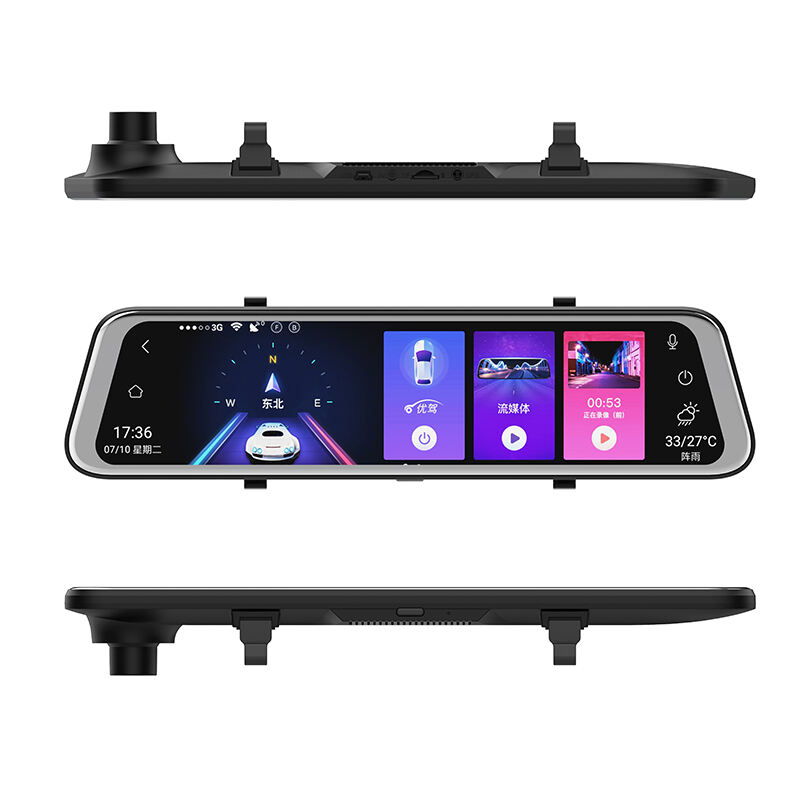
Modern vehicle safety technology has evolved dramatically over the past decade, with advanced driver assistance systems becoming standard features in contemporary automotive design. Among these innovations, the rearview mirror camera stands out as a revolutionary enhancement that transforms traditional rear visibility solutions into comprehensive safety monitoring systems. These sophisticated devices integrate seamlessly with existing vehicle infrastructure while providing drivers with unprecedented visual coverage of their surroundings, significantly reducing blind spots and enhancing overall road safety.
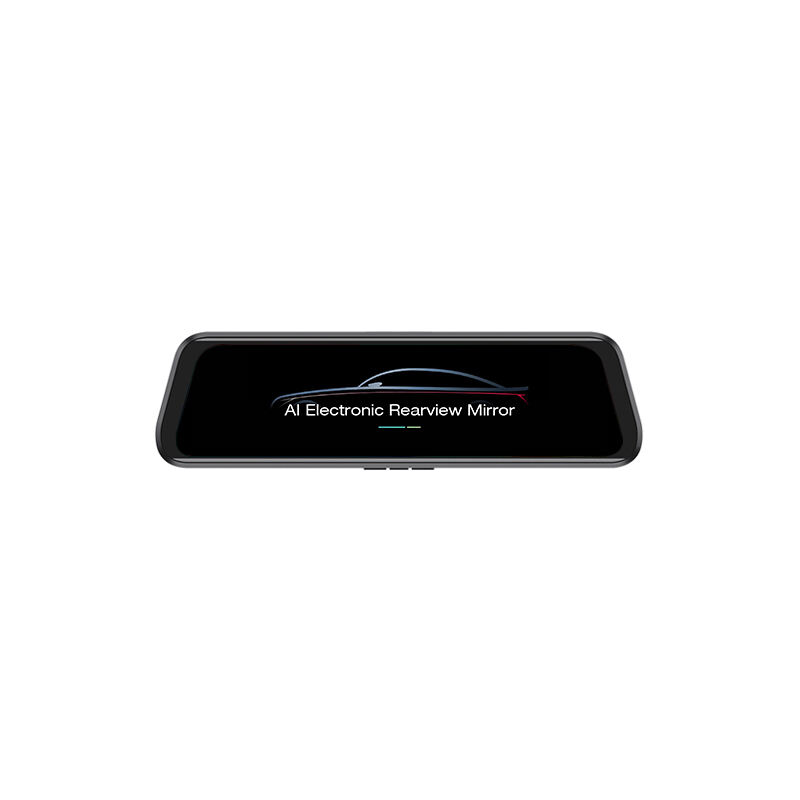
The integration of dual lens technology represents a significant leap forward in automotive safety equipment, offering drivers comprehensive coverage that extends beyond conventional single-camera systems. Professional drivers, fleet managers, and safety-conscious individuals increasingly recognize the value of these advanced monitoring solutions as essential components of modern vehicle safety protocols. The sophisticated engineering behind these systems combines high-resolution imaging with intelligent processing capabilities to deliver real-time visual feedback that can prevent accidents and protect valuable assets.
Advanced Technology Behind Dual Lens Systems
High-Resolution Image Processing
Contemporary dual lens rearview mirror camera systems utilize cutting-edge image sensors capable of capturing crystal-clear footage in various lighting conditions. These advanced sensors employ sophisticated algorithms to automatically adjust exposure, contrast, and color balance, ensuring optimal visibility regardless of environmental factors. The processing units integrated within these devices feature powerful chipsets that can handle multiple video streams simultaneously while maintaining consistent performance standards throughout extended operational periods.
The image quality delivered by modern systems far exceeds traditional analog solutions, with many units supporting full HD resolution at 1080p or higher. Advanced noise reduction technologies filter out unwanted interference while preserving essential details that drivers need for safe maneuvering. Digital signal processing capabilities enable these cameras to function effectively in challenging conditions, including low-light environments, heavy precipitation, and extreme temperature variations that would compromise lesser systems.
Wide-Angle Coverage Capabilities
Dual lens configurations provide significantly expanded field of view compared to single camera installations, with many systems offering coverage angles exceeding 170 degrees. This comprehensive visual range eliminates traditional blind spots that plague conventional mirror systems, giving drivers complete awareness of their vehicle's immediate surroundings. The strategic positioning of multiple lenses allows for simultaneous monitoring of different zones, creating overlapping coverage areas that ensure no critical information is missed during operation.
Advanced lens technology incorporates fisheye corrections and distortion compensation algorithms to present naturally proportioned images to drivers. These sophisticated optical systems maintain clarity across the entire viewing angle while preserving depth perception and spatial relationships that are crucial for accurate distance judgment. The seamless integration of multiple camera feeds creates a unified visual experience that enhances rather than complicates the driving process.
Installation and Integration Benefits
Seamless Vehicle Integration
Professional installation of rearview mirror camera systems requires minimal modification to existing vehicle architecture, making these upgrades accessible to virtually any vehicle type or model year. The mounting systems are engineered to work with standard mirror configurations while providing secure attachment points that can withstand vibration, impact, and environmental stresses. Electrical connections integrate with existing vehicle power systems through standardized interfaces that maintain warranty compliance and system reliability.
Modern installation procedures prioritize clean, professional appearances that complement original equipment aesthetics. Cable routing systems are designed to remain hidden within vehicle trim panels, maintaining the clean lines and professional appearance that discerning vehicle owners demand. The integration process typically requires minimal downtime, allowing commercial operators to maintain operational schedules while upgrading their safety equipment.
User Interface Design
Contemporary mirror camera systems feature intuitive control interfaces that minimize learning curves for operators transitioning from traditional mirror systems. Display integration options include built-in LCD screens within the mirror housing, separate monitor installations, or smartphone connectivity that leverages existing mobile device infrastructure. These flexible display options accommodate diverse operational requirements and user preferences while maintaining consistent functionality across different platforms.
Advanced systems incorporate touch-screen controls, voice activation, and gesture recognition technologies that allow drivers to adjust settings without taking their hands off the steering wheel. Menu systems are designed with large, clearly labeled icons and simplified navigation paths that reduce distraction while providing access to essential functions. Customization options enable users to configure display preferences, recording settings, and alert parameters according to their specific operational requirements.
Safety Enhancement Features
Real-Time Monitoring Capabilities
The continuous monitoring capabilities provided by rearview mirror camera systems deliver immediate visual feedback that enables proactive safety responses. These systems process visual information in real-time, identifying potential hazards, obstacles, or unsafe conditions that might not be visible through traditional mirrors. Advanced motion detection algorithms can highlight moving objects within the camera's field of view, drawing driver attention to pedestrians, cyclists, or other vehicles that pose potential collision risks.
Intelligent alert systems integrated within modern camera platforms can provide audible or visual warnings when dangerous situations are detected. These automated safety features operate continuously in the background, monitoring for backing obstacles, lane departure conditions, or proximity alerts that help prevent accidents before they occur. The integration of artificial intelligence technologies enables these systems to learn from operational patterns and improve their detection accuracy over time.
Evidence Documentation
Professional-grade recording capabilities ensure that all operational activities are properly documented for insurance, legal, or training purposes. High-capacity storage systems can maintain weeks or months of operational footage, providing comprehensive records that protect drivers and fleet operators from false claims or liability issues. Advanced compression technologies maximize storage efficiency while preserving image quality sufficient for legal proceedings or insurance investigations.
Automated recording triggers activate storage systems when specific events occur, ensuring that critical incidents are captured without requiring manual intervention. GPS integration adds location and speed data to recorded footage, creating comprehensive documentation that provides context for any recorded events. Cloud connectivity options enable remote access to recorded footage, allowing fleet managers or insurance representatives to review incidents immediately after they occur.
Commercial Applications
Fleet Management Integration
Large commercial operations benefit significantly from centralized monitoring systems that integrate multiple vehicle camera feeds into unified management platforms. These comprehensive solutions enable fleet managers to monitor driver behavior, vehicle positioning, and operational efficiency from centralized control centers. Real-time connectivity allows immediate response to emergency situations while providing ongoing supervision that improves overall fleet performance and safety standards.
Data analytics capabilities extract valuable insights from operational footage, identifying patterns that indicate driver training needs, route optimization opportunities, or maintenance requirements. These analytical tools help fleet operators reduce operational costs while improving service delivery and safety performance. Integration with existing fleet management software creates seamless workflows that enhance rather than complicate established operational procedures.
Professional Driver Applications
Independent operators and professional drivers utilize mirror camera systems to protect themselves from fraudulent claims while demonstrating their commitment to safe driving practices. Insurance companies increasingly recognize the value of these safety technologies, often providing premium discounts for vehicles equipped with professional-grade monitoring systems. The presence of visible camera equipment can also deter aggressive behavior from other drivers while providing evidence of professional conduct during challenging traffic situations.
Training applications leverage recorded footage to help drivers improve their skills and identify areas for improvement. Professional driving instructors can review specific maneuvers or challenging situations with students, using actual operational footage to demonstrate proper techniques and highlight potential safety concerns. This practical application of camera technology extends the educational value of these systems beyond their primary safety functions.
Technology Specifications and Performance
Technical Performance Standards
Industrial-grade mirror camera systems are engineered to meet rigorous performance standards that ensure reliable operation under demanding conditions. Temperature ratings typically span from negative 20 degrees Fahrenheit to positive 140 degrees Fahrenheit, accommodating extreme climate variations without performance degradation. Vibration resistance specifications exceed automotive industry standards, ensuring stable operation on rough terrain or in heavy-duty applications that subject equipment to constant movement and impact.
Water and dust resistance ratings of IP67 or higher provide protection against environmental contamination that could compromise system performance. These robust environmental protections enable continuous operation in construction sites, agricultural applications, or marine environments where exposure to harsh conditions is routine. Electrical surge protection safeguards sensitive electronic components from voltage spikes or electrical interference that might occur in industrial electrical systems.
Connectivity and Integration Options
Modern camera systems support multiple connectivity protocols including WiFi, Bluetooth, and cellular data connections that enable integration with diverse technological ecosystems. Smartphone applications provide remote monitoring capabilities that allow users to check camera feeds from any location with internet connectivity. Cloud storage integration ensures that important footage is automatically backed up to secure servers, protecting valuable evidence from local storage failures or equipment theft.
API integration capabilities enable custom software development that can incorporate camera functionality into existing business management systems. This flexibility allows organizations to create tailored solutions that meet specific operational requirements while leveraging existing technology investments. Open architecture designs ensure compatibility with future technology upgrades and emerging connectivity standards.
FAQ
How difficult is the installation process for dual lens mirror cameras
Installation complexity varies depending on vehicle type and desired feature integration, but most systems can be professionally installed within two to four hours. Basic installations require mounting the camera unit to existing mirror hardware and connecting power through the vehicle's electrical system. More advanced installations that include GPS integration, cellular connectivity, or fleet management integration may require additional time for proper configuration and testing.
What storage capacity is required for continuous recording
Storage requirements depend on recording resolution, compression settings, and retention period preferences. A 32GB memory card typically provides 8-12 hours of high-definition recording with standard compression, while 128GB cards can store several days of footage. Loop recording functionality automatically overwrites oldest footage when storage capacity is reached, ensuring continuous operation without manual intervention. Cloud storage options eliminate local capacity constraints while providing secure remote access to recorded footage.
Can these systems work effectively in low light conditions
Advanced image sensors and processing algorithms enable excellent performance in challenging lighting conditions including dawn, dusk, and nighttime operation. Infrared LED illumination systems provide additional lighting when ambient conditions are insufficient for standard imaging. Automatic exposure adjustment and noise reduction technologies maintain image clarity even in extremely low light environments, ensuring consistent safety monitoring regardless of time of day or weather conditions.
What maintenance is required for optimal system performance
Regular maintenance involves cleaning camera lenses to remove dust, water spots, or other contamination that might affect image quality. Periodic software updates ensure optimal performance and access to new features as they become available. Memory card formatting every few months helps maintain storage system reliability, while connection inspections ensure all electrical interfaces remain secure and corrosion-free. Most systems include self-diagnostic capabilities that alert users to potential maintenance needs before they affect system performance.

