
 EN
EN
Modern vehicle safety has evolved significantly with the integration of advanced parking assistance technologies. Drivers today face a crucial decision when selecting the most suitable parking aid for their vehicles. While both parking sensors and backup cameras offer distinct advantages, understanding their unique capabilities helps determine the optimal choice for specific driving needs and vehicle requirements. The growing emphasis on parking safety has made these technologies essential components in contemporary automotive design, contributing to reduced accidents and enhanced driver confidence in tight spaces.
Understanding Parking Sensor Technology
Ultrasonic Detection Principles
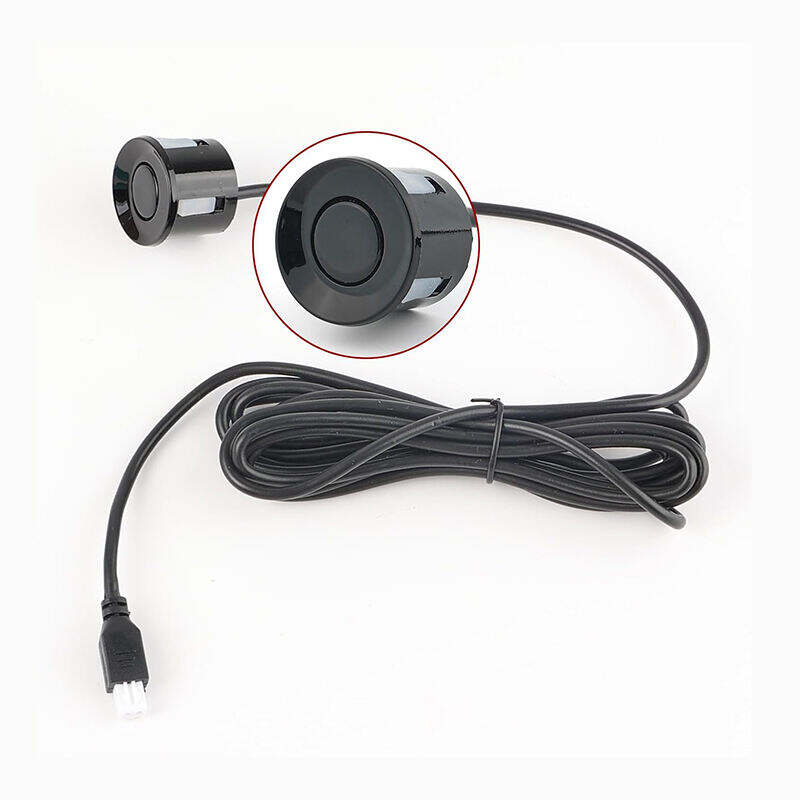
Parking sensors utilize ultrasonic technology to detect objects within their detection range. These sophisticated devices emit high-frequency sound waves that bounce off nearby obstacles and return to the sensor, creating an acoustic map of the surrounding environment. The time delay between signal transmission and reception determines the distance to detected objects. Modern parking sensors typically operate at frequencies between 40-48 kHz, ensuring precise detection while remaining inaudible to human ears.
The accuracy of ultrasonic parking sensors depends on various environmental factors including temperature, humidity, and surface texture of detected objects. Most systems can reliably detect objects within a range of 0.3 to 2.5 meters, providing adequate warning time for drivers to react appropriately. The technology excels in detecting solid objects with reflective surfaces, making it particularly effective for identifying vehicles, walls, and concrete barriers.
Sensor Placement and Coverage Zones
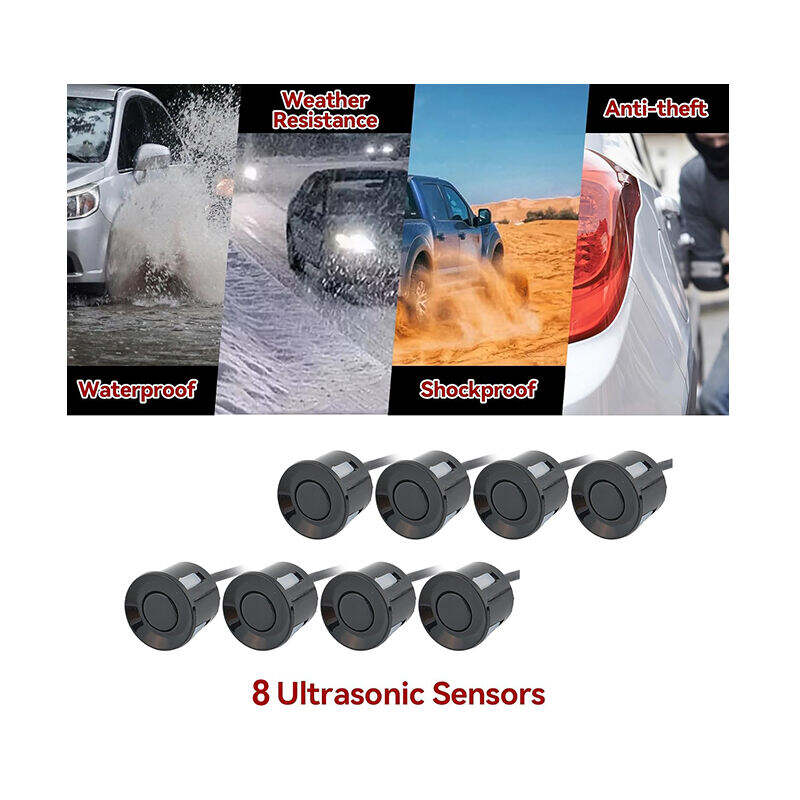
Strategic sensor placement maximizes detection coverage while minimizing blind spots around the vehicle. Standard configurations include four rear sensors and optional front sensors, creating overlapping detection zones that ensure comprehensive coverage. The optimal sensor spacing typically ranges from 35-55 centimeters, depending on vehicle width and bumper curvature. This arrangement creates a detection field that extends laterally beyond the vehicle's width, capturing objects that might otherwise remain undetected.
Advanced parking sensors incorporate multiple detection zones with varying sensitivity levels. The immediate proximity zone triggers urgent warnings, while outer zones provide early alerts as the vehicle approaches obstacles. This graduated warning system allows drivers to maintain smooth parking maneuvers while receiving timely feedback about their surroundings.
Camera-Based Parking Systems
Visual Monitoring Advantages
Backup cameras provide direct visual confirmation of the area behind or around the vehicle, eliminating guesswork during parking maneuvers. High-definition cameras capture real-time footage that displays on dashboard screens or rearview mirrors, offering drivers a clear perspective of their surroundings. Modern camera systems incorporate wide-angle lenses that extend the field of view beyond what drivers can see through mirrors, revealing potential hazards in previously invisible areas.
The visual nature of camera systems enables drivers to identify specific types of obstacles, distinguishing between children, pets, small objects, and larger barriers. This identification capability proves invaluable in crowded parking areas where various obstacles might be present simultaneously. Additionally, cameras can detect low-profile objects that might not trigger ultrasonic sensors, such as parking curbs, small children, or ground-level obstacles.
Display Integration and User Interface
Contemporary backup camera systems integrate seamlessly with vehicle infotainment displays, providing intuitive user interfaces that enhance the parking experience. Dynamic guidelines overlay the camera feed, showing projected vehicle paths based on steering wheel position and helping drivers navigate into parking spaces with precision. These adaptive guidelines adjust in real-time, providing accurate trajectory predictions that simplify parallel and perpendicular parking maneuvers.
Advanced camera systems incorporate multiple view modes, including top-down perspectives that simulate an overhead view of the vehicle and its surroundings. This bird's eye view combines feeds from multiple cameras positioned around the vehicle, creating a comprehensive visual map that eliminates blind spots entirely. The seamless integration with existing vehicle electronics ensures reliable operation while maintaining compatibility with other safety systems.
Performance Comparison Analysis
Detection Accuracy and Reliability
Parking sensors excel in providing consistent distance measurements regardless of lighting conditions or weather circumstances. Their ultrasonic technology operates effectively in complete darkness, heavy rain, or bright sunlight, ensuring reliable performance across diverse environmental conditions. The acoustic detection method remains unaffected by visual obstructions such as dirt, snow, or condensation that might compromise camera visibility.
Camera systems offer superior object identification capabilities but may experience reduced effectiveness in adverse weather conditions or low-light situations. Modern cameras incorporate infrared technology and automatic brightness adjustment to maintain visibility in challenging conditions. However, lens contamination from dirt, water, or snow can significantly impact camera performance, requiring regular maintenance to ensure optimal functionality.
Installation Requirements and Complexity
Installing parking sensors typically involves drilling precise holes in vehicle bumpers and connecting sensors to the vehicle's electrical system. Professional installation ensures proper sensor alignment and optimal detection coverage while maintaining the vehicle's aesthetic appeal. The installation process requires careful consideration of bumper material and thickness to ensure secure sensor mounting and reliable operation.
Camera installation presents greater complexity, requiring mounting hardware, wiring harnesses, and display integration. Modern vehicles often include pre-wired camera connections, simplifying the installation process for compatible aftermarket systems. The positioning of cameras requires precise alignment to ensure optimal viewing angles and minimize distortion, often necessitating professional installation to achieve satisfactory results.
Cost Considerations and Value Analysis
Initial Investment and Equipment Costs
Parking sensors generally present a lower initial investment compared to comprehensive camera systems. Basic four-sensor rear systems typically cost between 150-400 dollars, including professional installation. Premium sensor systems with front and rear coverage, digital displays, and advanced features may range from 500-800 dollars. The relatively straightforward technology and installation process contribute to the cost-effectiveness of sensor-based solutions.
Camera systems require higher initial investments due to the complexity of hardware components and installation requirements. Entry-level backup cameras with basic displays cost approximately 200-500 dollars, while comprehensive multi-camera systems with advanced features may exceed 1000-2000 dollars. The additional cost reflects the sophisticated technology, high-resolution displays, and extensive wiring required for proper system operation.
Long-term Maintenance and Durability
Parking sensors demonstrate exceptional durability and require minimal maintenance throughout their operational lifespan. The sealed ultrasonic transducers resist environmental contamination and continue functioning reliably in harsh conditions. Occasional sensor cleaning and electrical connection inspection represent the primary maintenance requirements, contributing to low long-term ownership costs.
Camera systems require more frequent maintenance to ensure optimal performance, including regular lens cleaning and periodic calibration. The electronic components may be susceptible to moisture infiltration or impact damage, potentially requiring more extensive repairs. However, modern camera systems incorporate robust weatherproof housings and solid-state components that enhance long-term reliability when properly maintained.
Application-Specific Recommendations
Urban Driving and Tight Spaces
Dense urban environments with limited parking spaces favor the precision and real-time feedback provided by parking sensors. The consistent audible warnings help drivers navigate crowded parking garages and narrow spaces without relying solely on visual confirmation. The 360-degree coverage possible with comprehensive sensor systems proves particularly valuable in urban settings where obstacles may approach from multiple directions simultaneously.
Professional drivers operating delivery vehicles or commercial fleets often prefer sensor-based systems due to their reliability and consistent performance across varying lighting conditions. The audible warnings allow drivers to focus on multiple tasks while maintaining awareness of their surroundings. The reduced dependence on visual displays makes sensor systems suitable for vehicles where dashboard space is limited or where drivers prefer audio-based feedback.
Family Vehicle Applications
Families with young children benefit significantly from camera systems that provide visual confirmation of the area around the vehicle. The ability to identify children, pets, or toys in the vehicle's path adds an essential safety layer that audio warnings alone cannot provide. The visual feedback helps parents make informed decisions about vehicle movement, particularly in residential driveways and school pickup areas.
Larger family vehicles such as SUVs and minivans often incorporate both parking sensors and cameras to maximize safety coverage. The combination of audible warnings and visual confirmation addresses the unique challenges associated with operating larger vehicles in residential and commercial environments. The dual-system approach provides redundant safety measures that accommodate different driving preferences and situations.
FAQ
Do parking sensors work effectively in all weather conditions
Parking sensors maintain consistent performance across most weather conditions including rain, snow, and extreme temperatures. The ultrasonic technology operates independently of visibility conditions, ensuring reliable detection even in heavy precipitation or fog. However, ice accumulation on sensor surfaces may temporarily reduce sensitivity until the sensors are cleared. Regular maintenance and proper installation ensure optimal performance regardless of environmental challenges.
Can parking sensors detect all types of obstacles
Parking sensors excel at detecting solid objects with reflective surfaces but may have limitations with certain materials or shapes. Mesh fences, fabric materials, or objects with irregular surfaces might not reflect ultrasonic waves effectively, potentially reducing detection reliability. Additionally, very thin objects like poles or narrow posts might fall between sensor detection zones, emphasizing the importance of proper sensor spacing and coverage overlap.
How do camera systems perform in low-light conditions
Modern backup cameras incorporate advanced low-light technology including infrared sensors and automatic brightness adjustment to maintain visibility during nighttime parking. High-quality cameras provide adequate illumination through integrated LED lighting or utilize existing vehicle lighting systems. While performance may decrease compared to daylight conditions, contemporary camera technology ensures sufficient visibility for safe parking operations in most low-light situations.
Which system provides better value for money
The optimal value depends on specific driving requirements and safety priorities. Parking sensors offer excellent cost-effectiveness for drivers seeking reliable obstacle detection with minimal maintenance requirements. Camera systems provide superior situational awareness and object identification capabilities, justifying higher costs for families or drivers operating in complex environments. Many drivers find that combining both technologies delivers the best overall value through comprehensive safety coverage and redundant warning systems.

