
 EN
EN
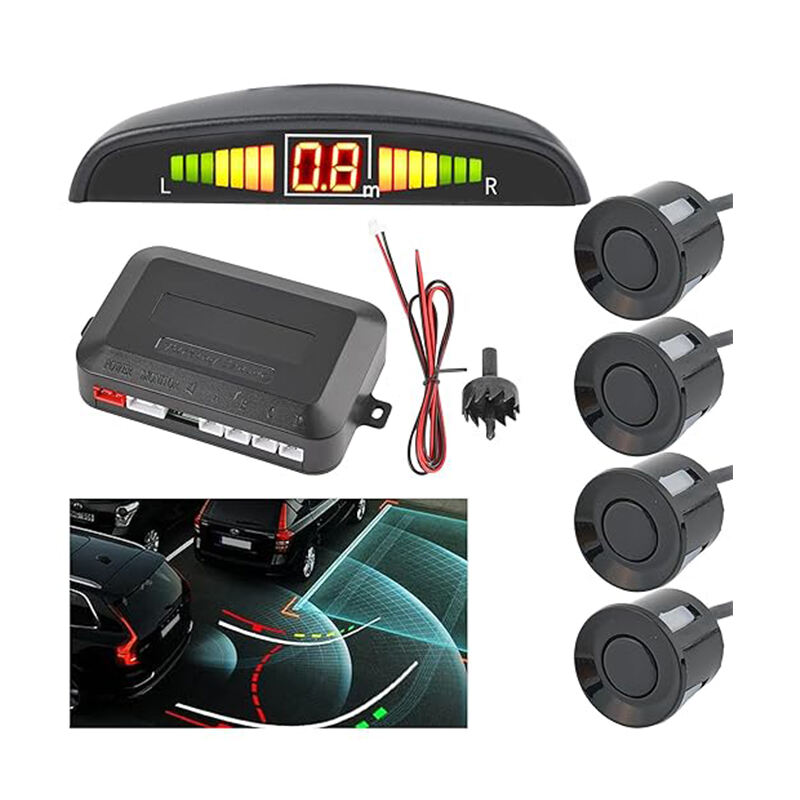
Modern vehicle safety technology has evolved dramatically, with parking sensors becoming an essential feature for drivers navigating tight spaces and crowded parking areas. These sophisticated systems provide crucial assistance by detecting obstacles and alerting drivers to potential hazards during parking maneuvers. As automotive technology continues advancing, the latest parking sensor systems offer enhanced accuracy, improved range detection, and seamless integration with vehicle electronics.
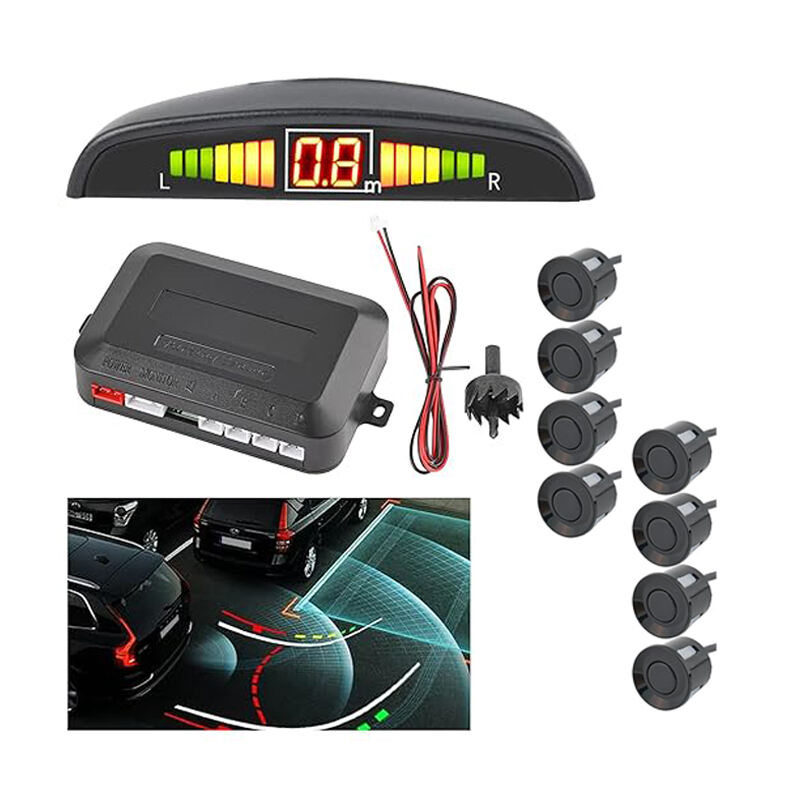
The growing complexity of urban environments and increasingly compact parking spaces make these sensor systems more valuable than ever. Professional installation and high-quality components ensure reliable performance across various weather conditions and driving scenarios. Understanding the different types available and their specific advantages helps drivers make informed decisions when upgrading their vehicle safety systems.
Understanding Modern Parking Sensor Technology
Ultrasonic Sensor Fundamentals
Ultrasonic parking sensors operate using high-frequency sound waves that bounce off nearby objects to calculate distance and proximity. These sensors emit rapid pulses at frequencies typically ranging from 40kHz to 48kHz, well above human hearing range. When sound waves encounter obstacles, they reflect back to the sensor, which measures the time elapsed to determine accurate distance measurements.
The sophisticated electronics within these systems process multiple data points simultaneously, creating a comprehensive awareness zone around the vehicle. Advanced ultrasonic sensors can detect objects as close as 10-15 centimeters and as far as 2.5 meters, providing drivers with precise proximity information. Temperature compensation algorithms ensure consistent performance across varying environmental conditions.
Electromagnetic Detection Systems
Electromagnetic parking sensors utilize invisible detection fields generated around the vehicle bumper area. These systems create electromagnetic waves that detect metallic and non-metallic objects within their operational range. Unlike ultrasonic variants, electromagnetic sensors require no visible external components, maintaining the vehicle's aesthetic appearance while providing comprehensive coverage.
The invisible detection field adjusts automatically based on vehicle speed and proximity to obstacles. This technology excels at detecting low-profile objects that traditional sensors might miss, including curbs, small posts, and other parking hazards. Integration with vehicle electrical systems enables seamless operation with existing safety features and warning systems.
Installation Considerations and Best Practices
Professional Installation Requirements
Proper installation of parking sensors requires careful consideration of mounting locations, sensor spacing, and electrical integration. Professional technicians follow manufacturer specifications to ensure optimal coverage patterns and minimize blind spots. The installation process involves precise drilling, weatherproofing, and connection to the vehicle's electrical system.
Sensor positioning affects detection accuracy and coverage area significantly. Front sensors typically mount at heights between 45-65 centimeters from the ground, while rear sensors optimize performance at 50-70 centimeter mounting heights. Proper alignment prevents false readings and ensures reliable obstacle detection across the entire coverage zone.
Wiring and Integration Protocols
Modern parking sensor systems integrate seamlessly with existing vehicle electronics through standardized communication protocols. Professional installation includes proper wire routing, connector sealing, and integration with reverse gear activation systems. Quality installations utilize OEM-grade wiring harnesses and weatherproof connections to prevent corrosion and electrical failures.
Advanced systems connect to vehicle CAN bus networks, enabling coordination with other safety features like backup cameras and collision avoidance systems. This integration provides drivers with comprehensive situational awareness through multiple sensory inputs and warning mechanisms. Proper programming ensures sensor sensitivity matches vehicle dimensions and driving characteristics.
Performance Features and Capabilities
Detection Range and Accuracy
High-performance parking sensors offer variable detection ranges suitable for different parking scenarios and vehicle types. Premium systems provide adjustable sensitivity settings, allowing customization for specific driving preferences and environmental conditions. Multi-zone detection creates graduated warning levels, providing increasingly urgent alerts as obstacles approach.
Advanced algorithms filter environmental noise and false signals, ensuring reliable performance in challenging conditions. Weather-resistant designs maintain accuracy during rain, snow, and extreme temperatures. Calibration procedures optimize sensor performance for individual vehicle characteristics and mounting configurations.
Audio and Visual Warning Systems
Contemporary parking sensor systems provide comprehensive warning mechanisms through audio tones, visual displays, and haptic feedback. Progressive warning patterns increase in frequency and intensity as distances decrease, providing intuitive proximity information. Multi-color LED displays offer visual confirmation of sensor status and obstacle locations.
Integration with vehicle infotainment systems enables sophisticated display options, including graphical representations of detected obstacles and distance measurements. Voice announcements provide additional safety redundancy, ensuring drivers receive critical information even when visual attention focuses on maneuvering. Customizable alert settings accommodate individual preferences and hearing capabilities.
Maintenance and Troubleshooting
Regular Maintenance Procedures
Maintaining optimal parking sensor performance requires periodic cleaning and inspection of sensor surfaces and mounting hardware. Accumulated dirt, ice, or debris can interfere with ultrasonic wave transmission and reception, reducing detection accuracy. Regular cleaning with appropriate solvents ensures consistent operation across all environmental conditions.
Seasonal maintenance includes checking electrical connections for corrosion, verifying sensor alignment, and testing system functionality across all detection zones. Professional diagnostic equipment can identify developing issues before they affect system performance. Preventive maintenance schedules help maximize sensor lifespan and reliability.
Common Issues and Solutions
Typical parking sensor problems include intermittent operation, false alarms, and reduced detection range. Environmental factors like extreme temperatures, moisture infiltration, and physical damage often cause performance degradation. Systematic troubleshooting procedures help identify root causes and appropriate corrective actions.
Professional diagnostic tools can isolate individual sensor failures, wiring problems, and control module issues. Replacement sensors must match original specifications to maintain system integrity and performance standards. Quality replacement components ensure long-term reliability and consistent operation.
Market Trends and Future Developments
Integration with Advanced Driver Assistance
Modern parking sensors increasingly integrate with comprehensive driver assistance packages, including autonomous parking capabilities and collision prevention systems. Machine learning algorithms improve detection accuracy by analyzing historical data and environmental patterns. Artificial intelligence enhances system responsiveness and reduces false alarm rates.
Connected vehicle technologies enable parking sensor data sharing with infrastructure systems and other vehicles. This connectivity improves overall traffic flow and parking efficiency in urban environments. Future developments include predictive parking assistance and automated space identification capabilities.
Enhanced Sensor Technologies
Emerging sensor technologies combine multiple detection methods for comprehensive obstacle awareness. Radar-based systems offer improved performance in adverse weather conditions, while camera integration provides visual confirmation of detected objects. Fusion sensor architectures maximize detection capabilities while minimizing false readings.
Next-generation parking sensors incorporate wireless communication protocols, enabling smartphone integration and remote monitoring capabilities. Cloud-based analytics provide insights into driving patterns and parking behavior, supporting continuous system improvement. Advanced materials and manufacturing processes reduce costs while improving durability and performance.
FAQ
How do parking sensors work in different weather conditions
Quality parking sensors maintain reliable performance across various weather conditions through advanced compensation algorithms and weatherproof construction. Rain and snow may slightly affect ultrasonic sensor range, but professional-grade systems incorporate temperature and humidity compensation to maintain accuracy. Ice buildup on sensor surfaces can temporarily reduce performance until cleared through normal driving or manual removal.
What is the typical lifespan of parking sensor systems
Well-maintained parking sensor systems typically operate effectively for 8-12 years under normal driving conditions. Lifespan depends on installation quality, environmental exposure, and maintenance practices. Premium components and professional installation significantly extend operational life, while harsh environments may reduce longevity. Regular maintenance and prompt repair of minor issues help maximize system durability.
Can parking sensors be added to any vehicle
Most vehicles can accommodate aftermarket parking sensor installation with proper professional assessment and modification. Modern systems adapt to various bumper designs and vehicle configurations through customizable mounting options. However, some specialized vehicles or unusual bumper designs may require custom installation approaches. Professional evaluation determines the best sensor type and configuration for specific vehicle applications.
How accurate are parking sensors compared to backup cameras
Parking sensors and backup cameras provide complementary safety benefits with different strengths and limitations. Sensors excel at detecting objects outside the camera's field of view and provide precise distance measurements through audio warnings. Cameras offer visual confirmation and better low-object detection but may have limited effectiveness in poor lighting conditions. Combined systems provide comprehensive parking assistance with maximum safety benefits.

