
 EN
EN
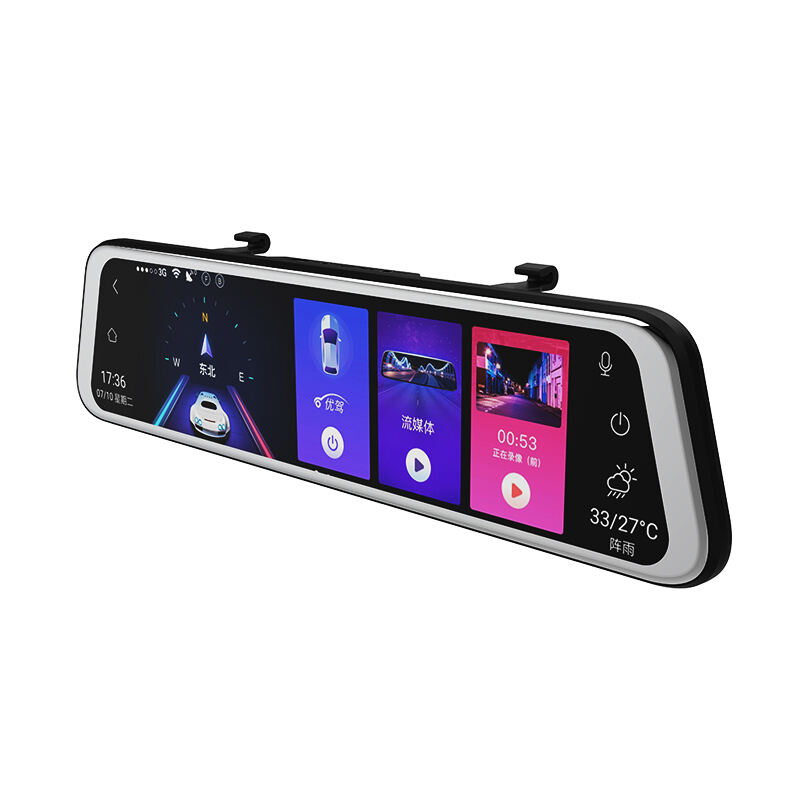
The automotive industry continues to evolve with advanced safety technologies, and one innovation gaining significant traction is the rearview mirror camera system. Modern drivers are increasingly questioning whether these sophisticated digital displays can effectively replace their original equipment manufacturer mirrors. This transformation represents more than just a technological upgrade; it fundamentally changes how drivers perceive their surroundings and interact with their vehicles. Understanding the capabilities, limitations, and practical implications of mirror camera systems is essential for making informed decisions about vehicle safety enhancements.
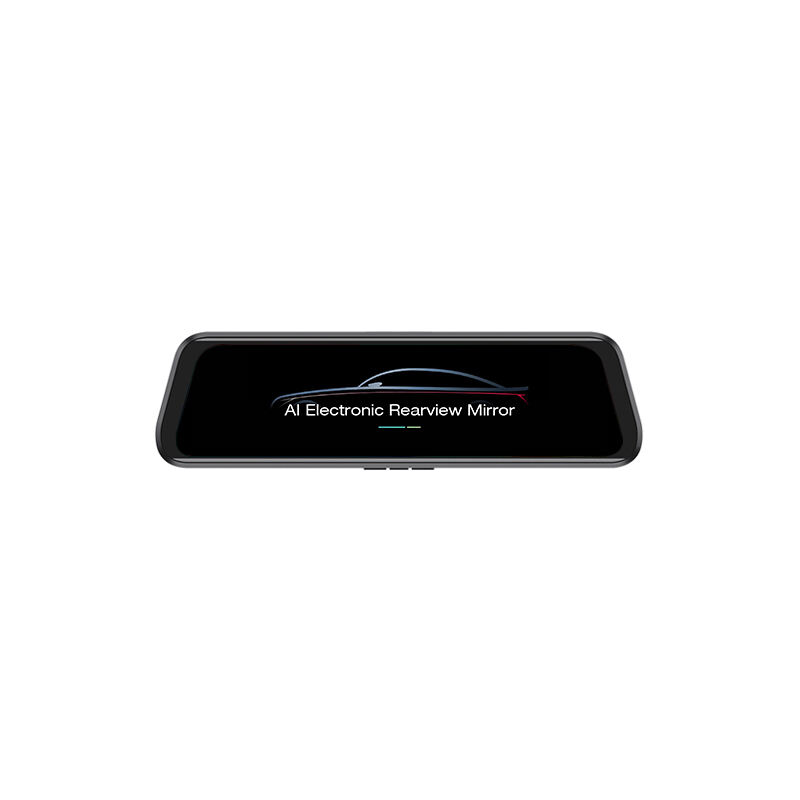
Understanding Rearview Mirror Camera Technology
Digital Display Integration
Modern rearview mirror camera systems integrate high-resolution digital displays directly into the mirror housing, creating a seamless viewing experience. These systems typically feature LCD or OLED screens that can switch between traditional mirror functionality and live camera feeds. The integration allows drivers to maintain familiar mirror positioning while accessing enhanced rear visibility through digital technology. Advanced models offer touch controls, brightness adjustment, and multiple camera angle options for comprehensive rear monitoring.
The display technology has evolved significantly, with many systems now offering 1080p or even 4K resolution for crystal-clear rear visibility. Anti-glare coatings and automatic brightness adjustment ensure optimal viewing conditions in various lighting scenarios. Some premium systems incorporate split-screen functionality, allowing simultaneous viewing of multiple camera angles or combining mirror reflection with digital feed display for maximum situational awareness.
Camera Sensor Capabilities
The camera components of these systems utilize advanced CMOS sensors designed specifically for automotive applications. These sensors offer superior low-light performance compared to traditional mirrors, providing clear visibility during dawn, dusk, or nighttime driving conditions. Wide-angle lenses capture broader fields of view than conventional mirrors, significantly reducing blind spots and enhancing overall safety awareness.
Weather-resistant housing protects camera sensors from environmental elements, ensuring consistent performance regardless of conditions. Many systems incorporate heated elements to prevent fogging or ice accumulation, maintaining clear visibility throughout various weather patterns. Advanced image processing algorithms automatically adjust exposure, contrast, and color balance to optimize visibility in changing lighting conditions.
Installation and Compatibility Considerations
OEM Integration Requirements
Installing a rearview mirror camera system requires careful consideration of vehicle compatibility and electrical requirements. Most systems are designed to replace existing rearview mirrors using standard mounting points, though some vehicles may require additional wiring or adapter brackets. Professional installation ensures proper integration with existing vehicle systems and maintains manufacturer warranty compliance.
Electrical connections typically integrate with the vehicle's power system, often utilizing existing mirror wiring harnesses. Advanced systems may require connection to the vehicle's CAN bus network for additional functionality such as automatic activation during reverse gear engagement. Proper calibration ensures optimal camera positioning and display alignment for safe operation.
Aftermarket Solution Benefits
Aftermarket rearview mirror camera systems offer flexibility for older vehicles lacking factory-installed technology. These solutions often provide more features and customization options compared to OEM systems at competitive price points. Universal mounting systems accommodate various vehicle types, from passenger cars to commercial trucks and recreational vehicles.
Many aftermarket solutions include additional features such as recording capabilities, GPS integration, and smartphone connectivity. These enhanced functionalities transform the basic safety device into a comprehensive vehicle monitoring and documentation system. Professional-grade systems offer fleet management capabilities, making them attractive for commercial applications.
Safety and Performance Advantages
Enhanced Visibility Features
Digital mirror camera systems provide significant visibility improvements over traditional mirrors through advanced imaging technology. Night vision capabilities utilize infrared sensors or enhanced light sensitivity to provide clear rear views in low-light conditions. These systems eliminate glare from following vehicle headlights, a common safety concern with conventional mirrors during nighttime driving.
Wide-angle camera lenses capture significantly larger fields of view compared to standard mirrors, reducing blind spots and improving lane-change safety. Digital zoom capabilities allow drivers to focus on specific areas of interest without physical mirror adjustment. Real-time distance estimation helps drivers gauge following vehicle proximity more accurately than traditional mirror perception allows.
Weather Performance Benefits
Camera-based systems maintain clear visibility during adverse weather conditions that typically compromise traditional mirror effectiveness. Rain, snow, or fog that would obscure conventional mirrors have minimal impact on digital camera systems with proper housing and heating elements. Automatic windshield wiper integration ensures camera lenses remain clean during precipitation events.
Advanced systems incorporate weather detection algorithms that automatically adjust camera settings for optimal performance in various conditions. Anti-fogging technology and heated camera housings prevent condensation buildup that commonly affects traditional mirrors. These features ensure consistent rear visibility regardless of environmental challenges.
Limitations and Practical Concerns
Technology Dependency Issues
Digital mirror camera systems introduce potential points of failure not present in traditional mirrors, including electronic component malfunction, display screen damage, or camera sensor failure. Power supply interruptions can render the system inoperable, leaving drivers without rear visibility assistance. Battery backup systems in some models provide temporary operation during electrical system failures, but these solutions have limited duration.
Software glitches or system crashes may temporarily disable camera functionality, requiring system reboots that could compromise safety during critical driving situations. Regular software updates and system maintenance become necessary to ensure optimal performance, adding complexity to vehicle ownership. Understanding these limitations helps drivers develop appropriate backup strategies and maintain situational awareness.
Depth Perception Challenges
Digital displays present two-dimensional images that may affect natural depth perception compared to traditional three-dimensional mirror reflections. Drivers accustomed to conventional mirrors may require adjustment periods to accurately judge distances and spatial relationships through camera systems. Training and practice become essential for developing confidence and competency with digital mirror technology.
Parallax effects and perspective distortion can create misleading impressions of object positions and movements, particularly during complex maneuvers such as parallel parking or trailer backing. Camera positioning and lens characteristics significantly influence these perceptual challenges, making proper system calibration critically important for safe operation. Driver education programs help address these adaptation requirements.
Cost-Benefit Analysis
Initial Investment Considerations
Premium rearview mirror camera systems represent significant initial investments compared to traditional mirror replacements, with costs varying widely based on features and installation complexity. Professional installation adds to overall system costs but ensures proper integration and warranty compliance. However, the enhanced safety features and potential insurance benefits may offset initial expenses over time.
Long-term value propositions include reduced accident risks, improved driver confidence, and potential resale value improvements for vehicles equipped with advanced safety technology. Fleet operators often realize operational benefits through reduced accident rates and improved driver performance monitoring capabilities. Cost analysis should consider both immediate expenses and long-term operational benefits.
Maintenance and Longevity Factors
Electronic systems require ongoing maintenance and potential component replacement not necessary with traditional mirrors, including display screen protection, camera lens cleaning, and software updates. Extended warranty options help protect against unexpected repair costs, particularly for complex integrated systems. Understanding maintenance requirements helps establish realistic ownership cost expectations.
Technology obsolescence may require system upgrades or replacements more frequently than traditional mirrors, though many manufacturers design systems for long-term compatibility. Component availability and service support become important considerations when selecting systems and manufacturers. Proper care and maintenance significantly extend system lifespan and maintain optimal performance.
FAQ
How reliable are rearview mirror cameras compared to traditional mirrors
Rearview mirror cameras are generally reliable when properly installed and maintained, though they introduce electronic components that can potentially fail unlike traditional mirrors. Most quality systems include backup power options and failsafe mechanisms to maintain functionality during minor electrical issues. However, drivers should always be prepared with alternative visibility methods and maintain awareness of system limitations during operation.
Do rearview mirror cameras work effectively in all weather conditions
Modern rearview mirror camera systems are designed to perform well in various weather conditions, often better than traditional mirrors during rain, snow, or fog. Many systems include heated camera housings, anti-fogging technology, and automatic adjustment features that maintain clear visibility when conventional mirrors would be compromised. However, extreme conditions such as heavy snow accumulation or severe storms may still affect camera performance.
What happens if the rearview mirror camera system fails while driving
Most rearview mirror camera systems are designed with failsafe mechanisms that default to traditional mirror functionality if the digital display fails. Drivers should familiarize themselves with manual override procedures and alternative visibility methods before relying entirely on camera systems. Regular system maintenance and awareness of warning indicators help prevent unexpected failures during critical driving situations.
Are rearview mirror cameras legal replacements for OEM mirrors
The legality of rearview mirror cameras as OEM mirror replacements varies by jurisdiction, with many regions now recognizing digital mirror systems as acceptable alternatives to traditional mirrors. However, specific regulations may require backup mirror functionality or mandate certain performance standards. Drivers should verify local regulations and ensure their chosen system meets applicable safety and legal requirements before installation.

