
 EN
EN
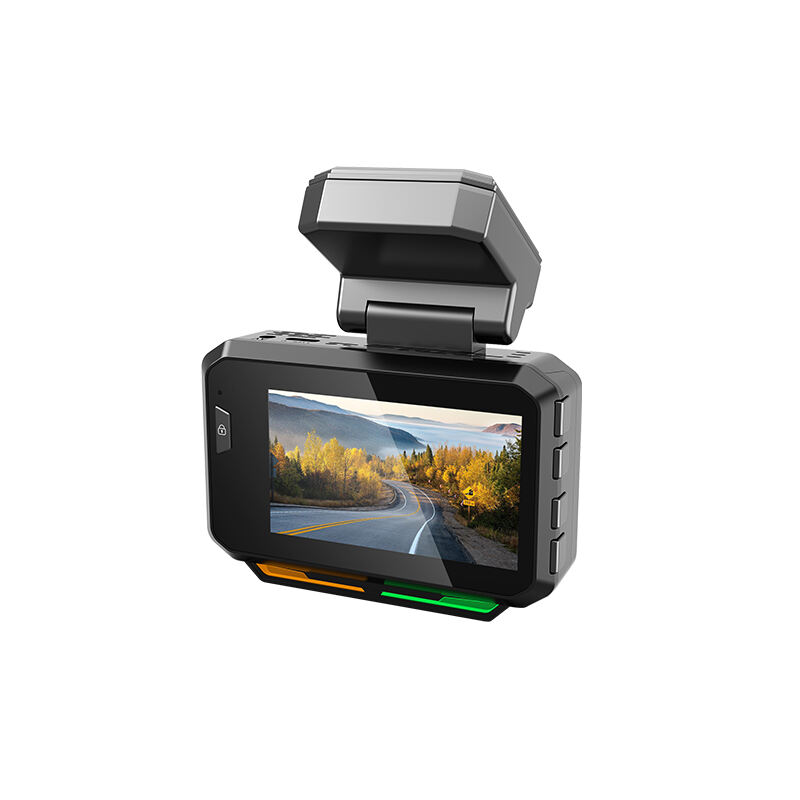
Motorcycle riders face unique challenges on the road, from unpredictable weather conditions to increased vulnerability in traffic situations. A waterproof motorcycle dash cam provides essential protection against both environmental hazards and potential legal disputes. These specialized recording devices are engineered to withstand rain, snow, dust, and extreme temperatures while capturing high-quality footage of your riding experience. Modern waterproof motorcycle dash cams offer advanced features including loop recording, GPS tracking, and night vision capabilities that ensure comprehensive documentation of every journey.
Essential Features of Weather-Resistant Motorcycle Recording Systems
IP Rating Standards and Protection Levels
The International Protection Rating system defines the level of protection electronic devices provide against environmental factors. For motorcycle applications, a waterproof motorcycle dash cam should feature a minimum IP67 rating, indicating complete protection against dust ingress and temporary water submersion up to one meter. Higher-rated devices with IP68 certification offer extended submersion resistance, making them ideal for riders who frequently encounter severe weather conditions or water crossings.
Understanding these protection standards helps riders select appropriate equipment for their specific riding environments. Coastal riders dealing with salt spray require different protection levels compared to urban commuters facing occasional rain showers. The housing materials and sealing mechanisms play crucial roles in maintaining these protection ratings throughout the device's operational lifetime.
Temperature Tolerance and Thermal Management
Extreme temperature variations pose significant challenges for electronic recording equipment on motorcycles. Quality waterproof motorcycle dash cam systems incorporate thermal management features that ensure reliable operation in temperatures ranging from negative forty to positive sixty degrees Celsius. Advanced models include automatic temperature monitoring that adjusts recording parameters to prevent overheating damage during extended summer rides.
Thermal cycling resistance becomes particularly important for devices exposed to rapid temperature changes, such as transitioning from heated garages to freezing outdoor conditions. Proper thermal design prevents condensation formation inside the camera housing, which could compromise recording quality and long-term reliability.
Advanced Recording Technologies for Motorcycle Applications
High-Definition Video Capture and Storage
Modern motorcycle recording systems capture ultra-high-definition footage at resolutions up to 4K, ensuring critical details remain visible during post-incident analysis. The combination of high-resolution sensors and advanced image processing algorithms enables clear license plate identification and facial recognition even at highway speeds. Loop recording functionality automatically overwrites oldest files when storage reaches capacity, ensuring continuous operation without manual intervention.
Storage capacity requirements vary based on recording resolution and frame rates, with most systems utilizing high-speed microSD cards ranging from 64GB to 256GB. Advanced compression algorithms reduce file sizes while maintaining image quality, extending recording duration and reducing storage costs for long-distance touring riders.
GPS Integration and Speed Monitoring
Integrated GPS functionality provides valuable location data and speed information embedded directly into video files. This feature proves invaluable during insurance claims or legal proceedings where precise location and velocity data support incident reconstruction. Many waterproof motorcycle dash cam systems include configurable speed alerts that notify riders when exceeding preset velocity thresholds.
Advanced GPS systems maintain satellite connections even under dense urban canopies or forest environments, ensuring consistent location tracking throughout diverse riding conditions. Some models incorporate additional sensors including accelerometers and gyroscopes that provide comprehensive motion data for detailed incident analysis.
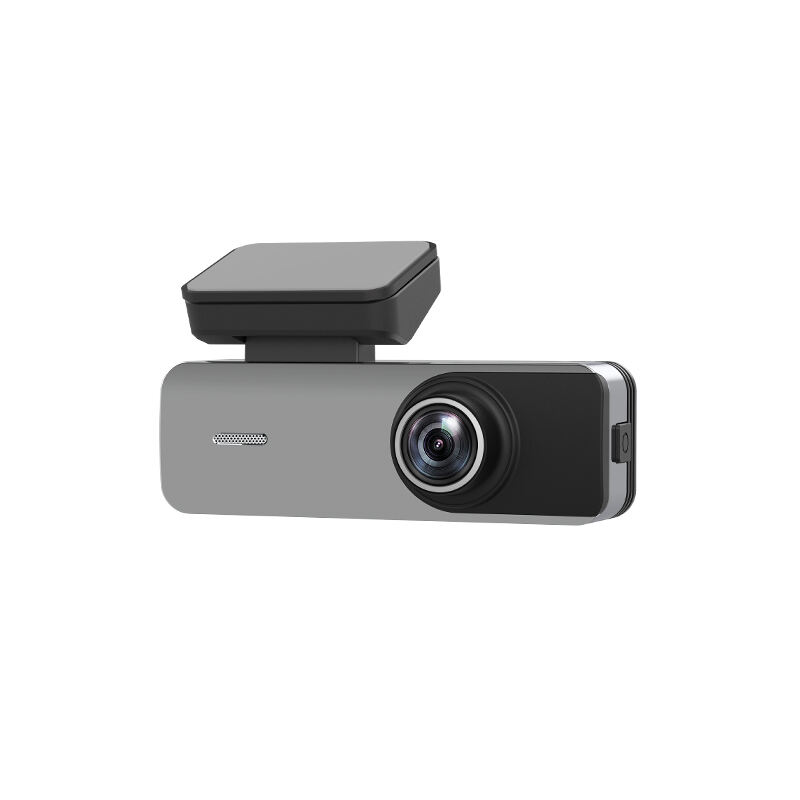
Installation Considerations and Mounting Solutions
Optimal Camera Positioning and Visibility
Strategic camera placement maximizes recording effectiveness while maintaining rider safety and visibility. Front-facing cameras should mount behind the windscreen or fairing to minimize wind resistance and weather exposure, while maintaining an unobstructed view of the road ahead. Rear-facing cameras require careful positioning to avoid interference with passenger seating or cargo storage areas.
Cable routing must consider motorcycle vibration patterns and potential wear points where cables contact frame components. Professional installation often includes cable protection sleeves and secure mounting points that prevent connection failures during aggressive riding or off-road adventures.
Power Management and Battery Considerations
Reliable power supply systems ensure continuous recording operation throughout extended riding sessions. Most waterproof motorcycle dash cam installations connect directly to the motorcycle's electrical system through dedicated fuse connections or battery terminals. Advanced systems include backup battery options that maintain recording capability during engine-off periods or electrical system failures.
Power consumption optimization becomes critical for motorcycles with limited electrical capacity, particularly older models or those with extensive accessory loads. Smart power management features automatically adjust recording parameters based on available power levels, extending operational duration during long-distance touring.
Legal Benefits and Insurance Applications
Evidence Collection and Documentation
Comprehensive video documentation provides irrefutable evidence during accident investigations and insurance claim processes. High-quality waterproof motorcycle dash cam footage clearly shows road conditions, traffic patterns, and other vehicle behaviors leading up to incidents. This documentation often expedites claim processing and helps establish fault determination in complex multi-vehicle accidents.
Legal admissibility requirements vary by jurisdiction, but most courts accept properly authenticated dash cam footage as legitimate evidence. Timestamp accuracy and file integrity verification features built into professional recording systems help establish evidential credibility during legal proceedings.
Insurance Premium Reductions and Policy Benefits
Many insurance providers offer premium discounts for policyholders who install approved dash cam systems on their motorcycles. These discounts recognize the risk reduction and fraud prevention benefits associated with continuous video monitoring. Some insurers provide additional benefits including expedited claim processing and reduced deductibles for claims supported by dash cam evidence.
Policy benefits extend beyond premium reductions to include enhanced coverage options and specialized rider protection programs. Insurance companies increasingly recognize that riders with dash cam systems demonstrate enhanced safety awareness and risk management practices.
Maintenance and Longevity Best Practices
Regular System Maintenance and Updates
Preventive maintenance ensures optimal performance and extends the operational lifespan of waterproof motorcycle dash cam systems. Regular cleaning of lens surfaces and housing components prevents image degradation caused by road debris, insect impacts, or weather residue. Periodic firmware updates provide enhanced features and security improvements that maintain system relevance as technology evolves.
Storage media maintenance includes regular formatting and capacity monitoring to prevent recording failures during critical moments. Professional systems often include automated maintenance features that optimize storage utilization and provide alerts when manual intervention becomes necessary.
Troubleshooting Common Performance Issues
Environmental factors can impact recording quality and system reliability over time. Vibration-induced connection loosening represents a common issue that requires periodic inspection and tightening of mounting hardware. Moisture ingress detection systems alert riders to potential sealing failures before permanent damage occurs to internal components.
Performance degradation symptoms include intermittent recording failures, reduced video quality, or GPS tracking inconsistencies. Early identification and correction of these issues prevent complete system failures during critical riding situations when recording capability becomes most important.
FAQ
How long can a waterproof motorcycle dash cam record continuously
Recording duration depends on storage capacity, video resolution, and loop recording settings. A 128GB memory card typically provides 8-12 hours of continuous 1080p recording or 4-6 hours at 4K resolution. Loop recording automatically overwrites oldest files, enabling indefinite operation without manual file management.
Will extreme weather conditions damage the camera system
Quality waterproof motorcycle dash cam systems withstand extreme weather conditions including heavy rain, snow, and temperature extremes from -40°C to +60°C. IP67 or IP68 rated devices provide complete protection against water ingress and dust contamination. However, direct impact from hail or debris may still cause physical damage to lens surfaces.
Can dash cam footage be used as evidence in court proceedings
Properly authenticated dash cam footage is generally admissible as evidence in most jurisdictions. The video must demonstrate continuous recording without tampering, include accurate timestamps, and show clear details relevant to the incident. Legal admissibility may vary by location, so consulting with legal professionals ensures proper evidence handling procedures.
Do motorcycle dash cams affect insurance premiums significantly
Many insurance providers offer premium discounts ranging from 5-15% for motorcycles equipped with approved dash cam systems. These discounts recognize reduced fraud risk and improved incident documentation capabilities. Some insurers provide additional benefits including expedited claims processing and enhanced coverage options for dash cam users.

