 EN
EN
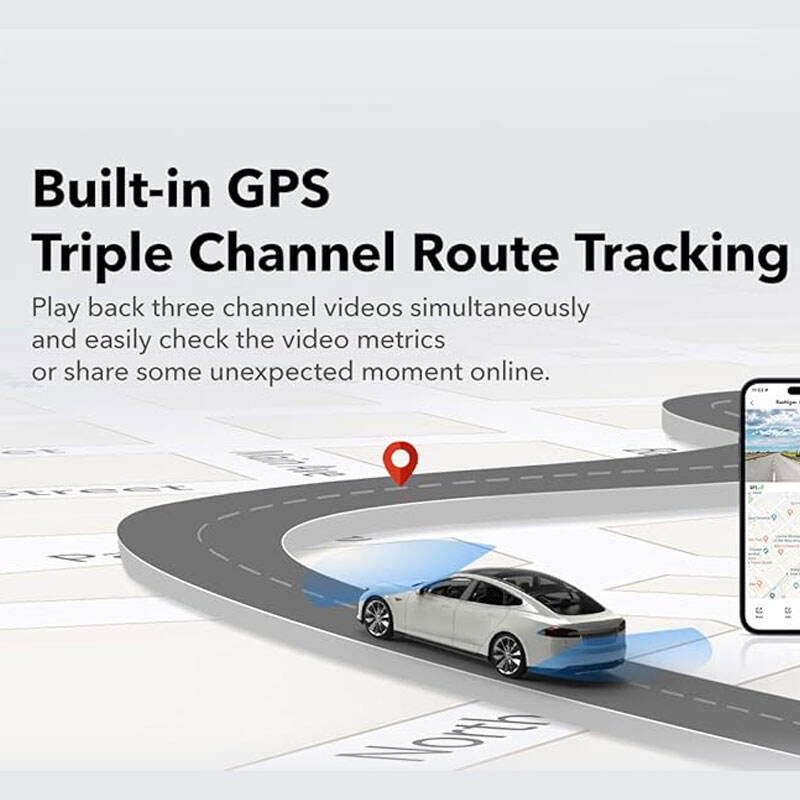
Modern automotive technology continues to evolve at an unprecedented pace, with smart car firmware upgrade systems becoming essential components of today's connected vehicles. A smart car firmware upgrade system represents the technological foundation that enables vehicles to receive, install, and manage software updates remotely, ensuring optimal performance, enhanced security, and continuous feature improvements throughout the vehicle's lifecycle. These sophisticated systems have transformed how manufacturers maintain and enhance vehicle functionality, moving beyond traditional recall-based updates to seamless over-the-air delivery mechanisms that keep cars current with the latest innovations.
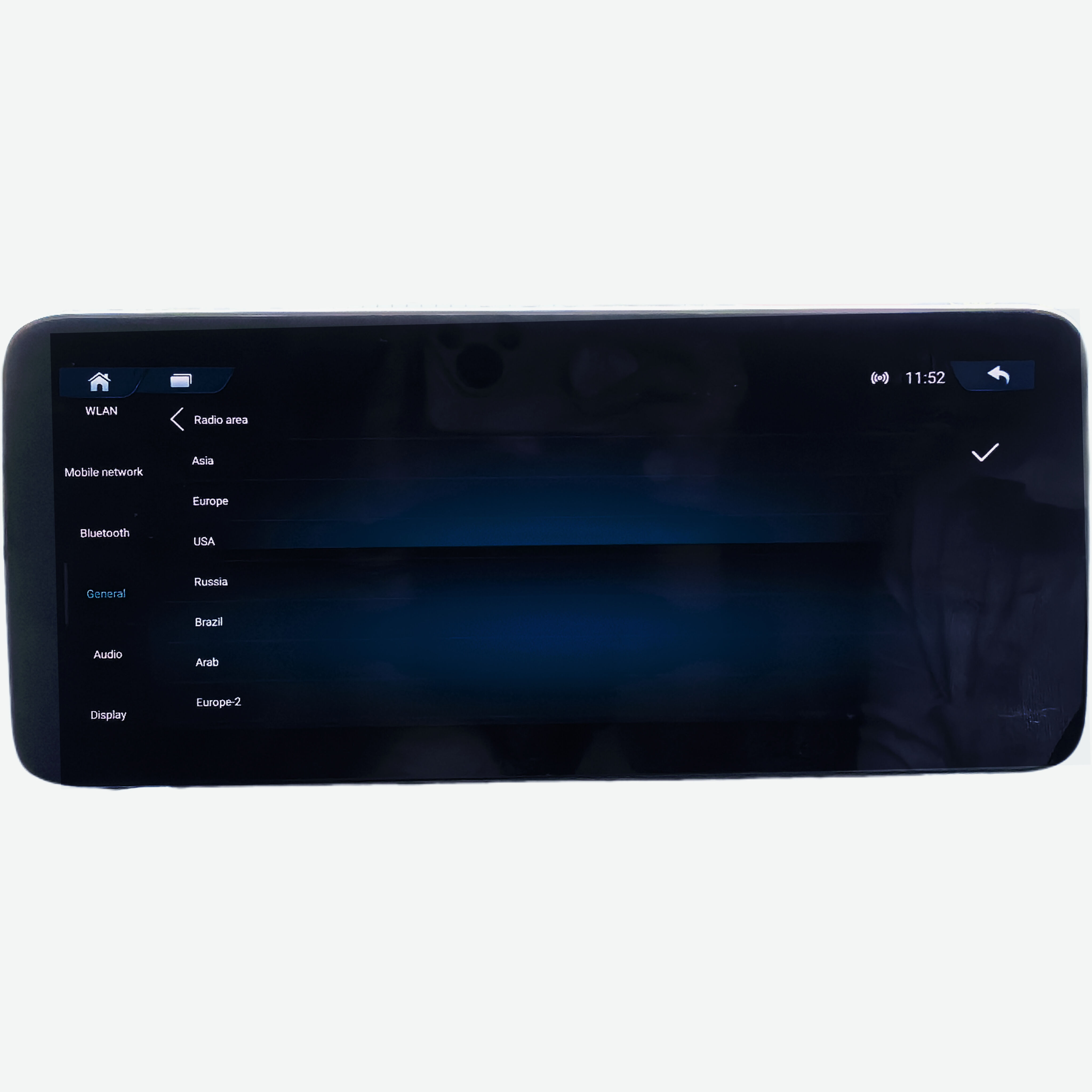
The integration of firmware upgrade capabilities into automotive systems represents a paradigm shift from static hardware-centric approaches to dynamic, software-defined vehicle architectures. This transformation enables manufacturers to address performance issues, introduce new features, and enhance security protocols without requiring physical dealership visits. The smart car firmware upgrade system architecture typically encompasses multiple electronic control units, secure communication protocols, and robust validation mechanisms that work together to ensure reliable and safe update processes.
Core Architecture and Components
Electronic Control Unit Integration
The foundation of any effective smart car firmware upgrade system lies in its seamless integration with various electronic control units throughout the vehicle. These ECUs control critical functions ranging from engine management and transmission control to infotainment systems and advanced driver assistance features. Each ECU requires specialized firmware that must be carefully managed and updated to maintain compatibility across the entire vehicle network.
Modern vehicles typically contain dozens of ECUs, each running specific firmware versions that must work harmoniously together. The smart car firmware upgrade system coordinates updates across these distributed components, ensuring that interdependent systems receive compatible firmware versions simultaneously. This coordination prevents conflicts that could arise from mismatched firmware versions and maintains the vehicle's operational integrity during and after update processes.
Advanced ECU architectures now incorporate dedicated update partitions and rollback mechanisms that enable safe firmware modifications. These features allow the smart car firmware upgrade system to install new firmware while preserving previous versions as backup options. If an update encounters issues during installation or operation, the system can automatically revert to the previous stable firmware version, minimizing potential disruptions to vehicle functionality.
Secure Communication Protocols
Security represents a paramount concern in smart car firmware upgrade system design, requiring sophisticated encryption and authentication mechanisms to protect against unauthorized access and malicious modifications. Modern systems employ multilayered security protocols that verify the authenticity of firmware packages, encrypt data transmission, and validate the integrity of installed updates throughout the entire process.
The communication infrastructure supporting firmware upgrades typically utilizes cellular, WiFi, and dedicated short-range communication technologies to establish reliable connections between vehicles and update servers. These connections must maintain high security standards while providing sufficient bandwidth for large firmware packages. The smart car firmware upgrade system implements secure boot processes and cryptographic signatures that ensure only authorized firmware can be installed on vehicle systems.
Advanced authentication mechanisms verify both the source and integrity of firmware updates before installation begins. Digital certificates and public key infrastructure elements provide additional layers of security that prevent tampering and ensure that updates originate from legitimate sources. These security measures are essential for maintaining consumer trust and preventing potential safety hazards associated with compromised vehicle systems.
Update Delivery and Management
Over-the-Air Distribution Methods
The delivery mechanism represents a critical component of the smart car firmware upgrade system, requiring robust infrastructure capable of distributing updates to millions of vehicles efficiently and reliably. Over-the-air update systems utilize cloud-based distribution networks that can scale to accommodate varying demand levels while maintaining consistent performance across different geographical regions and network conditions.
Modern distribution architectures employ content delivery networks and edge computing resources to minimize latency and reduce bandwidth costs associated with firmware distribution. The smart car firmware upgrade system can intelligently schedule updates based on vehicle usage patterns, network availability, and regional infrastructure capabilities, optimizing the delivery process for both users and service providers.
Delta update mechanisms further enhance distribution efficiency by transmitting only the differences between current and target firmware versions rather than complete firmware images. This approach significantly reduces download times and data consumption, making updates more practical for users with limited connectivity or data plans. The system can also pause and resume downloads as needed, accommodating interrupted connections and varying network conditions.
Version Control and Compatibility Management
Effective version control represents a fundamental requirement for managing the complexity inherent in modern vehicle firmware ecosystems. The smart car firmware upgrade system must track multiple firmware versions across various vehicle models, production years, and optional equipment configurations while ensuring that updates maintain compatibility with existing vehicle hardware and software components.
Sophisticated compatibility matrices define which firmware versions can be safely installed on specific vehicle configurations, preventing potentially dangerous mismatches that could compromise vehicle operation. These matrices consider hardware revisions, software dependencies, and regulatory requirements that may vary across different markets and jurisdictions. The system automatically validates compatibility before initiating any update process.
Rollback capabilities provide additional safety measures by enabling the smart car firmware upgrade system to revert to previous firmware versions if issues arise during or after installation. Advanced systems maintain multiple firmware versions simultaneously, allowing for quick recovery from problematic updates while minimizing vehicle downtime and user inconvenience.
Safety and Security Considerations
Risk Assessment and Validation
The implementation of comprehensive risk assessment protocols ensures that smart car firmware upgrade system operations maintain the highest safety standards throughout the update process. These protocols evaluate potential impacts on critical vehicle systems and implement appropriate safeguards to prevent failures that could compromise vehicle safety or performance.
Pre-installation validation procedures verify that incoming firmware packages meet established quality standards and compatibility requirements before any modifications begin. The smart car firmware upgrade system performs extensive testing of firmware components in simulated environments that replicate real-world operating conditions, identifying potential issues before they can affect actual vehicles.
Continuous monitoring during the update process enables immediate detection of anomalies or errors that might indicate installation problems. If critical issues are detected, the system can automatically halt the update process and initiate recovery procedures to restore the vehicle to its previous operational state. These safety mechanisms are essential for maintaining user confidence and ensuring regulatory compliance.
Cybersecurity Protection Measures
Robust cybersecurity measures form the backbone of any reliable smart car firmware upgrade system, protecting against increasingly sophisticated threats that target connected vehicle systems. Multi-factor authentication, encrypted communications, and intrusion detection systems work together to create comprehensive security barriers that protect both the update infrastructure and individual vehicles from malicious attacks.
Regular security assessments and penetration testing help identify potential vulnerabilities in the smart car firmware upgrade system before they can be exploited by malicious actors. These assessments evaluate all aspects of the system, from server infrastructure and communication protocols to vehicle-based components and user interfaces, ensuring comprehensive protection across the entire update ecosystem.
Incident response procedures provide structured approaches for addressing security breaches or suspected compromise of firmware update systems. These procedures enable rapid containment of potential threats while maintaining transparency with regulatory authorities and affected users. The ability to quickly respond to security incidents is crucial for maintaining the integrity and trustworthiness of the entire smart car firmware upgrade system.
User Experience and Interface Design
Notification and Consent Management
The user interface component of a smart car firmware upgrade system plays a crucial role in ensuring smooth adoption and user satisfaction with update processes. Effective notification systems inform users about available updates while providing clear information about installation requirements, expected duration, and potential benefits of the proposed firmware changes.
Intelligent scheduling features allow users to specify preferred update windows that align with their usage patterns and preferences. The smart car firmware upgrade system can automatically install updates during periods of vehicle inactivity, minimizing disruption to daily routines while ensuring that vehicles remain current with the latest firmware versions.
Consent management frameworks ensure that users maintain control over update processes while meeting regulatory requirements for data handling and system modifications. Clear explanations of update contents and potential impacts help users make informed decisions about when and how to install firmware updates on their vehicles.
Progress Monitoring and Feedback Systems
Comprehensive progress monitoring capabilities provide users with real-time visibility into update installation processes, helping to build confidence in the smart car firmware upgrade system while reducing anxiety associated with system modifications. Visual progress indicators, estimated completion times, and detailed status messages keep users informed throughout the entire update cycle.
Post-installation feedback mechanisms enable users to report issues or provide input about their experience with updated firmware versions. This feedback helps manufacturers identify potential problems quickly and improve future versions of both firmware and the update system itself. The smart car firmware upgrade system can automatically collect diagnostic information to support troubleshooting efforts when issues arise.
Error recovery interfaces guide users through resolution procedures when update processes encounter problems or failures. Clear instructions and automated recovery options minimize the need for professional service intervention while ensuring that vehicles can be quickly restored to operational status following update-related issues.
Performance Optimization and Efficiency
Bandwidth Management and Network Optimization
Efficient bandwidth utilization represents a key challenge for smart car firmware upgrade system implementations, particularly when managing updates across large vehicle fleets with diverse connectivity options. Advanced compression algorithms and differential update techniques minimize the data transfer requirements while maintaining the integrity and completeness of firmware packages.
Intelligent network selection capabilities enable the smart car firmware upgrade system to choose optimal connectivity options based on availability, cost, and performance characteristics. The system can automatically switch between cellular, WiFi, and other network types to optimize download speeds while minimizing data costs for users with limited data plans or expensive cellular connections.
Load balancing and traffic shaping mechanisms ensure that update distribution does not overwhelm network infrastructure during peak demand periods. These mechanisms can distribute update requests across multiple servers and time intervals, maintaining consistent performance even when large numbers of vehicles require simultaneous updates.
Resource Allocation and System Performance
Effective resource management ensures that smart car firmware upgrade system operations do not interfere with critical vehicle functions or degrade overall system performance during update processes. Advanced scheduling algorithms allocate processing power, memory, and storage resources to balance update requirements with ongoing vehicle operations.
Background processing capabilities enable firmware updates to proceed without disrupting normal vehicle operations, allowing users to continue driving while updates are downloaded and prepared for installation. The smart car firmware upgrade system can intelligently pause processing-intensive operations when critical vehicle systems require full resource availability.
Storage optimization techniques minimize the impact of firmware updates on available vehicle storage capacity. Incremental update mechanisms and temporary file management ensure that the update process does not consume excessive storage space or interfere with other vehicle functions that depend on available memory resources.
Industry Applications and Use Cases
Fleet Management and Commercial Applications
Commercial fleet operators represent significant beneficiaries of advanced smart car firmware upgrade system implementations, as these systems enable centralized management of firmware updates across hundreds or thousands of vehicles simultaneously. Fleet management platforms can coordinate updates to ensure consistent firmware versions across entire fleets while minimizing operational disruptions and maintenance costs.
Predictive maintenance capabilities integrated into fleet-oriented smart car firmware upgrade systems can identify vehicles that require priority updates based on operational patterns, diagnostic data, and performance metrics. This proactive approach helps prevent unexpected failures while optimizing vehicle availability and reducing overall maintenance expenses.
Regulatory compliance features built into commercial smart car firmware upgrade systems help fleet operators maintain adherence to industry-specific requirements and safety standards. Automated update scheduling and documentation capabilities ensure that vehicles receive required updates within specified timeframes while maintaining comprehensive records for regulatory reporting purposes.
Consumer Vehicle Integration
Consumer-oriented smart car firmware upgrade system implementations focus on user-friendly interfaces and seamless integration with existing vehicle systems and mobile applications. These systems prioritize convenience and transparency, providing clear information about update benefits while minimizing the complexity associated with firmware management.
Integration with smartphone applications and cloud-based services enables users to monitor and manage firmware updates remotely, scheduling installations during convenient times and receiving notifications about update completion or issues. The smart car firmware upgrade system can coordinate with users' calendars and preferences to optimize update timing.
Personalization features allow individual users to customize update preferences, notification settings, and installation schedules according to their specific needs and usage patterns. These customization options help ensure that the smart car firmware upgrade system enhances rather than disrupts the overall vehicle ownership experience.
Future Development Trends
Artificial Intelligence and Machine Learning Integration
The integration of artificial intelligence and machine learning technologies represents a significant opportunity for enhancing smart car firmware upgrade system capabilities. These technologies can analyze vehicle performance data, user behavior patterns, and system telemetry to optimize update timing, predict potential issues, and improve overall system reliability.
Predictive analytics capabilities can identify vehicles that may benefit from specific firmware updates based on their operational characteristics, geographic location, and usage patterns. The smart car firmware upgrade system can proactively recommend updates that address specific performance issues or enhance features that are particularly relevant to individual users.
Machine learning algorithms can continuously improve update processes by analyzing the success rates, performance impacts, and user feedback associated with different firmware versions and installation procedures. This continuous improvement approach helps optimize the smart car firmware upgrade system over time, reducing issues and enhancing user satisfaction.
Edge Computing and 5G Network Integration
The deployment of 5G networks and edge computing infrastructure will significantly enhance the capabilities and performance of smart car firmware upgrade systems by providing higher bandwidth, lower latency, and distributed processing capabilities. These technological advances will enable more sophisticated update mechanisms and real-time optimization of firmware distribution processes.
Edge computing nodes located closer to vehicles can cache frequently requested firmware packages, reducing download times and network congestion while improving the overall reliability of update distribution. The smart car firmware upgrade system can leverage these distributed resources to provide consistent performance regardless of geographic location or network conditions.
Advanced network slicing capabilities in 5G infrastructure will enable dedicated bandwidth allocation for firmware updates, ensuring reliable connectivity even during periods of high network utilization. These capabilities will support larger and more frequent updates while maintaining the quality of service required for critical vehicle systems.
FAQ
How long does a typical smart car firmware upgrade process take?
The duration of a smart car firmware upgrade system update varies significantly depending on the size of the firmware package, the specific vehicle systems being updated, and the available network connectivity. Simple updates to infotainment systems may complete within 15-30 minutes, while comprehensive updates affecting multiple vehicle systems can require several hours. The system typically provides estimated completion times and allows users to schedule updates during convenient periods to minimize disruption.
What happens if a firmware update is interrupted during installation?
Modern smart car firmware upgrade systems incorporate robust recovery mechanisms designed to handle interruptions safely. If an update is interrupted due to power loss, connectivity issues, or other factors, the system can typically resume the installation process from where it stopped or revert to the previous firmware version. Advanced systems maintain backup copies of critical firmware components and implement atomic update procedures that prevent vehicles from being left in non-functional states due to incomplete installations.
Can users choose which firmware updates to install on their vehicles?
Most smart car firmware upgrade systems provide users with control over non-critical updates while automatically installing safety-related and regulatory compliance updates. Users can typically defer convenience feature updates or choose specific installation times, but updates addressing security vulnerabilities or safety issues may be installed automatically to maintain vehicle and occupant safety. The system usually provides clear explanations of update contents and allows users to make informed decisions about optional enhancements.
How do manufacturers ensure the security of over-the-air firmware updates?
Security measures in smart car firmware upgrade systems include multiple layers of protection such as encrypted communications, digital signatures for firmware packages, secure boot processes, and authentication mechanisms that verify both the source and integrity of updates. Manufacturers implement comprehensive cybersecurity frameworks that undergo regular testing and validation to protect against potential threats. These systems also include monitoring capabilities that can detect and respond to suspicious activities during the update process.

